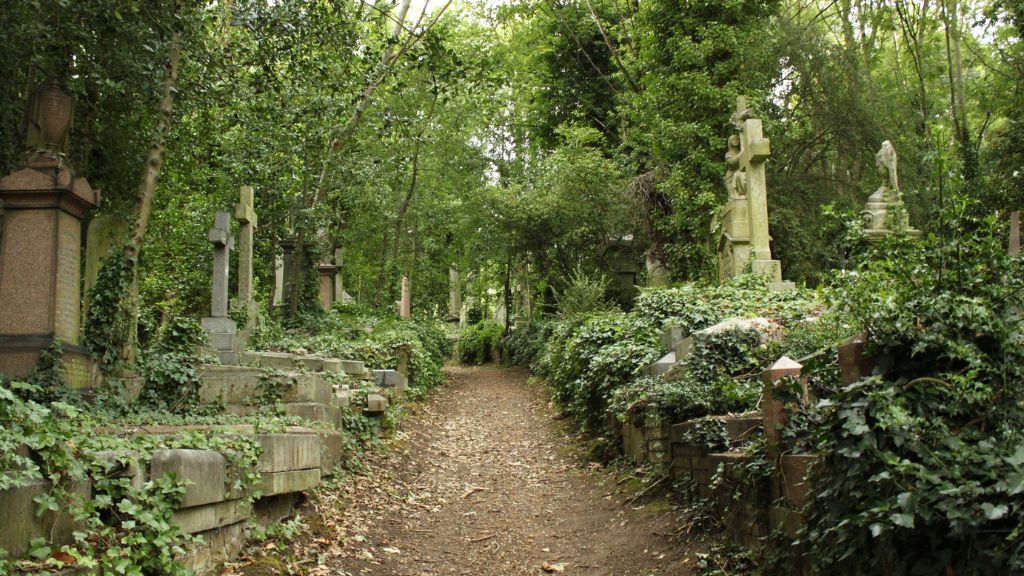
Highgate Cemetery to undergo major restoration
One of London’s most ambitious cultural projects of the decade is about to begin: Highgate Cemetery — the city’s most iconic and arguably most cinematic burial ground — has officially received the green light for a major transformation. £18 million, 25 years of restoration work and a new chapter for one of Europe’s most storied necropolises: the same Highgate where visitors come to see Karl Marx’s grave, wander beneath the Gothic arches of the Egyptian Avenue and experience that rare blend of Victorian melancholy and green stillness.
This article is also available in Russian here
Beyond Marx, Highgate is the resting place of people from many countries, cultures and eras — political exiles, artists, writers and public figures whose lives shaped the 20th and 21st centuries. Here lie Lucian Freud, one of Britain’s greatest painters; George Michael, the global pop icon; Anatoly Kuznetsov, author of the underground classic Babi Yar and a Soviet dissident who defected to the West; Alexander Litvinenko, the former FSB officer and outspoken Kremlin critic fatally poisoned in London with polonium-210; and Vladimir Bukovsky, the writer, human rights activist and one of the most influential Soviet dissidents. Highgate remains a place where personal stories, political histories and the voice of London itself intersect — and the coming decades will redefine what this remarkable site can become.

The restoration project, developed by Hopkins Architects, is valued at £18 million and will unfold over twenty-five years. Its main goals include reinforcing historic structures weakened by time and climate, refreshing pathways and restoring ecological balance to the landscape. The iconic entrance arch — instantly recognisable to anyone who has ever seen a photo of Highgate — will undergo restoration. Six new buildings will appear on the grounds, including a café and an education centre designed as a hub for visitors eager to delve deeper into the site’s history. Egyptian Avenue and the Terrace Catacombs — Highgate’s most distinctive and fragile landmarks — will also receive careful conservation.
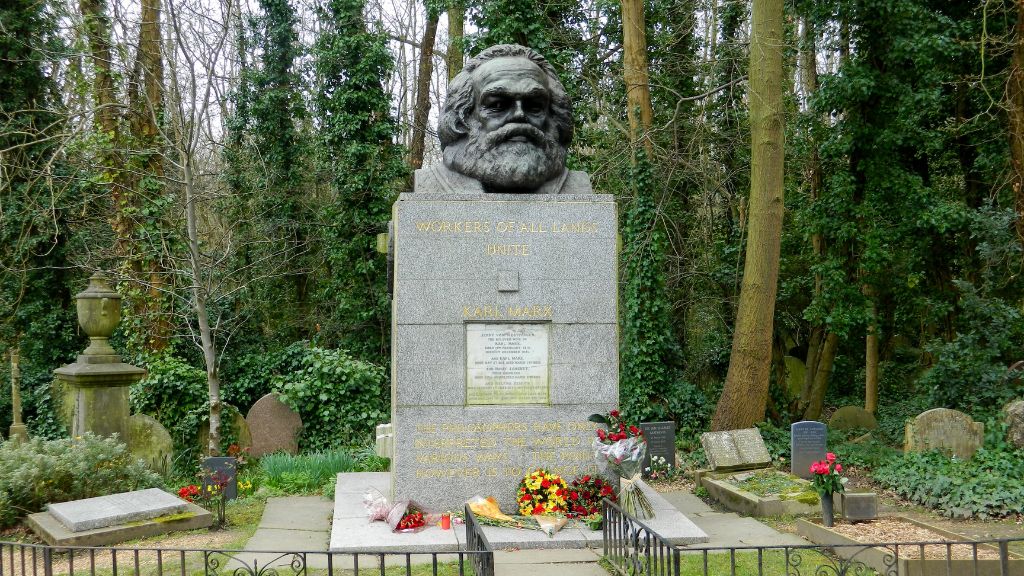
The grave of Karl Marx. Photo: Paasikivi, CC BY-SA 4.0, via Wikimedia Commons
The process hasn’t been entirely smooth. One proposal — the construction of a gardeners’ building and public toilets — sparked controversy. Grave owners found the design unimpressive and the location inappropriate: the idea of toilets sitting close to family burial plots seemed disrespectful to many. After heated debate, the Friends of Highgate Cemetery Trust removed this element from the masterplan.

Ian Dungavell, Chief Executive of the Friends of Highgate Cemetery Trust, summed up the vision with a touch of philosophy:
“We have set out our plans for the next 25 years. We will conserve the fragile historic structures and improve biodiversity while retaining the tranquillity of this special place. We will make it accessible to more people, and tell a wider variety of stories.”
Cover photo: Panyd at English Wikipedia, CC BY-SA 3.0, via Wikimedia Commons
Read also:
Homewear as cultural code: why mixed-culture couples argue about slippers
Great British contemporaries: Stephen Fry
The London Christmas Guide 2025: shows, skating and sparkling nights
Related Articles

.jpg)

SUBSCRIBE
Receive our digest once a week with quality Russian events and articles