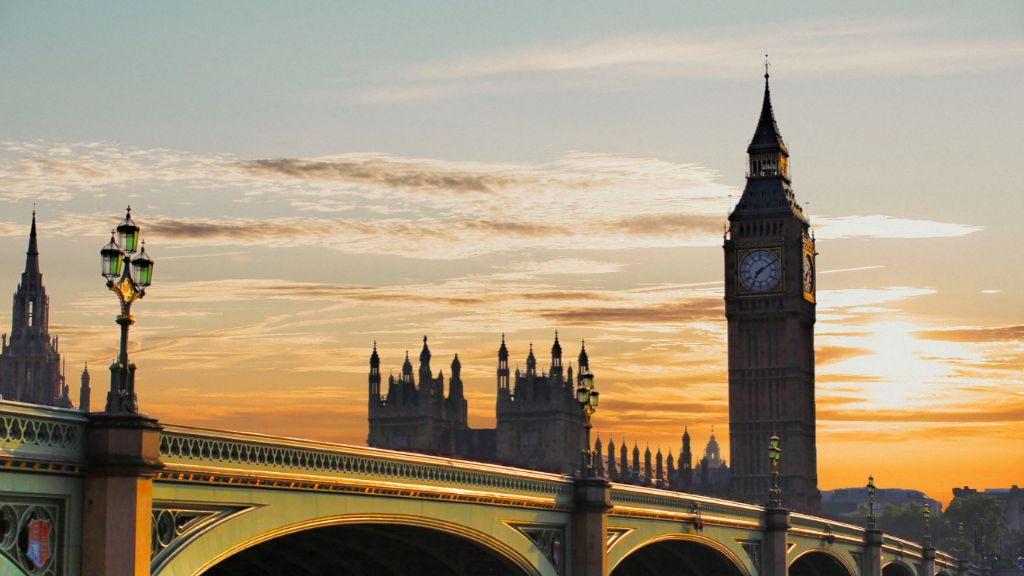
England considers introducing an overnight tourist tax: what travellers should expect
Authorities in England are preparing to grant regional mayors the power to introduce a tourist tax — an additional fee charged per overnight stay. The levy is expected to be “modest”, with all funds directed towards transport, street maintenance and city events. It would apply to every type of accommodation, from hotels to Airbnb.
Across Europe, tourist taxes are standard practice: in Paris they start from around 50p per night. In the UK the picture varies by region — Scotland plans to introduce a 5% levy from 2026, while Wales is considering a fixed charge of £1.30 per night. Some English cities already have similar schemes: Manchester and Liverpool collect these fees through the Accommodation Business Improvement District system.

The mayors of London and Manchester have expressed support for the initiative. In York it is described as a “turning point”, and leaders in West Yorkshire are also optimistic.
Supporters argue that even a £1-per-night tax in London could bring in up to £91 million a year, while a 5% rate could generate around £240 million. These funds could strengthen the transport network and improve the overall visitor experience.

The cultural sector has also welcomed the proposal. Tristram Hunt, Director of the V&A, has urged that the revenue be invested in museums, galleries, festivals and creative industries. According to the Cultural Policy Unit, if the tax were designed as a percentage fee (3–5%) and set on a progressive scale — with pricier hotels paying more — it could generate over £1.2 billion annually.
But consensus is far from universal. Ben Houchen, Mayor of Teesside, has stated that no such tax will be introduced in his region. Representatives of the hospitality industry warn that the levy could fuel inflation and increase costs for visitors. UKHospitality estimates that tourists might end up paying as much as £518 million more each year.

The final decision rests with 14 mayors across England. A 12-week consultation with businesses is currently underway and will run until 18 February. Only after that will it become clear how the tourist tax will be implemented — and where it will apply.
Cover photo: carmen dominguez / Unsplash

Read also:
Homewear as cultural code: why mixed-culture couples argue about slippers
Fortnum & Mason: how the queen’s footman created London’s legendary emporium
London: dynamic pricing in the international theatre world triggers backlash
Related Articles



SUBSCRIBE
Receive our digest once a week with quality Russian events and articles