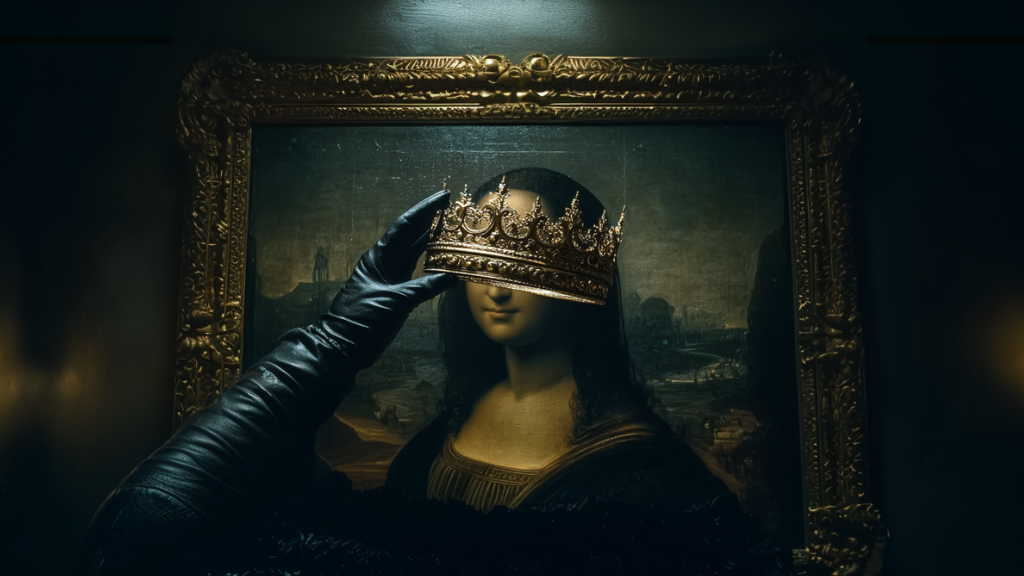
The biggest museum thefts and art forgeries of 2025
Museum robberies and art fraud occupy a peculiar cultural niche. It is no coincidence that filmmakers and novelists have long been drawn to them: elastic thieves gliding like panthers through gallery halls, deftly disabling alarms and swapping masterpieces for perfect fakes. Reality, however, is far less cinematic — and considerably more troubling. Crime statistics involving museums are rising. From the Louvre to forged works of Russian and Ukrainian modernism, the editorial team at Afisha.London looks back at the art-world scandals that defined 2025.
This article is also available in Russian here.
Readers interested in true crime and detective stories may also wish to revisit our earlier features, Cunning British Con Artists: Six Remarkable Stories and Look (available in Russian only), Don’t Slash: The Most High-Profile Attacks on Paintings at London’s National Gallery (available in Russian only here)

Paris: a “theft of the century” at the Louvre
Sunday 19 October 2025 sent shockwaves through France — and far beyond. In broad daylight, four masked individuals entered the Louvre Museum and, within minutes, removed 18th-century crown jewels worth an estimated €88m (£76.8m) from the Apollo Gallery. Almost immediately, the incident was labelled a “theft of the century”. Politicians across the spectrum spoke of national humiliation, while President Emmanuel Macron described the attack as “a blow to our historical heritage”.
-
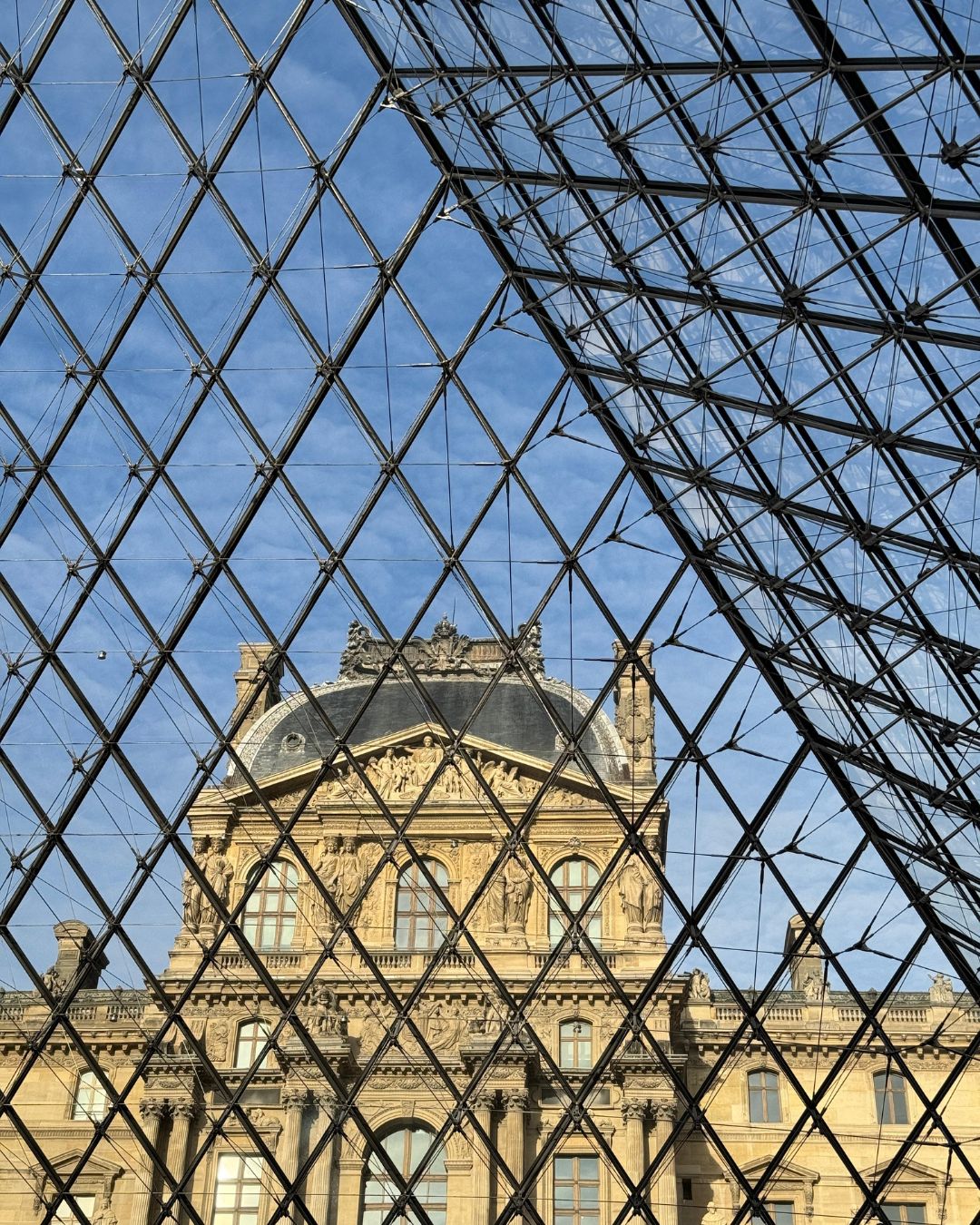
- Louvre. Photo: Afisha.London
-
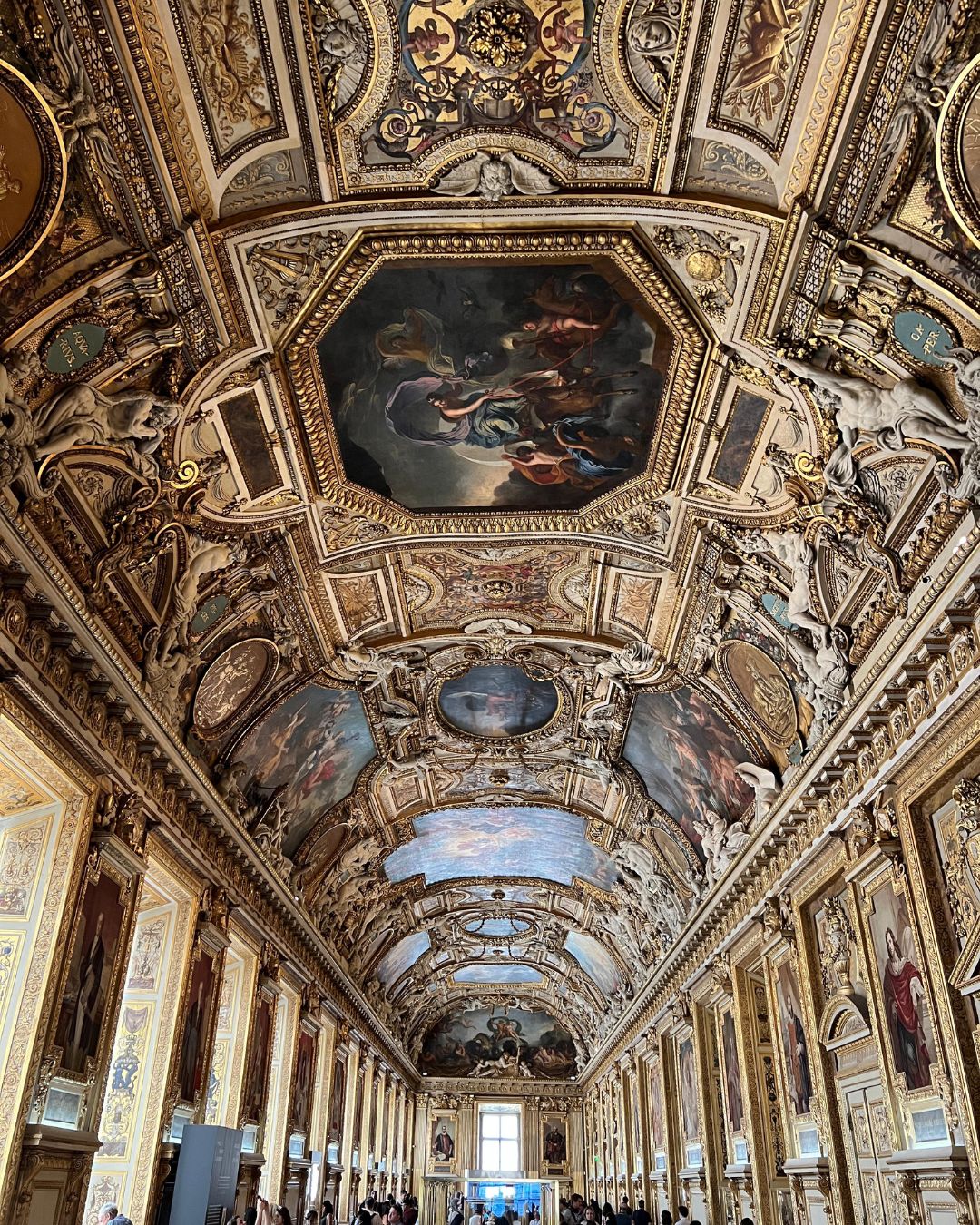
- Apollo Gallery. Photo: Afisha.London
By 25 October, French police had arrested two men in their early thirties from the Paris suburbs. Five further suspects were later detained. According to investigators, the group parked a stolen lorry outside the Louvre, used a telescopic ladder and a service lift to reach the Apollo Gallery, smashed an unprotected window and display cases, then escaped on motorcycles driven by accomplices. The entire operation lasted less than seven minutes.

Eight objects were taken, including an emerald-and-diamond necklace given by Napoleon Bonaparte to his second wife Marie Louise of Austria, and a tiara set with 212 pearls and nearly 2,000 diamonds belonging to Empress Eugénie. None of the jewels has been recovered.
Read also: The last Stroganov: how Hélène de Ludinghausen revived a lost Russian legacy
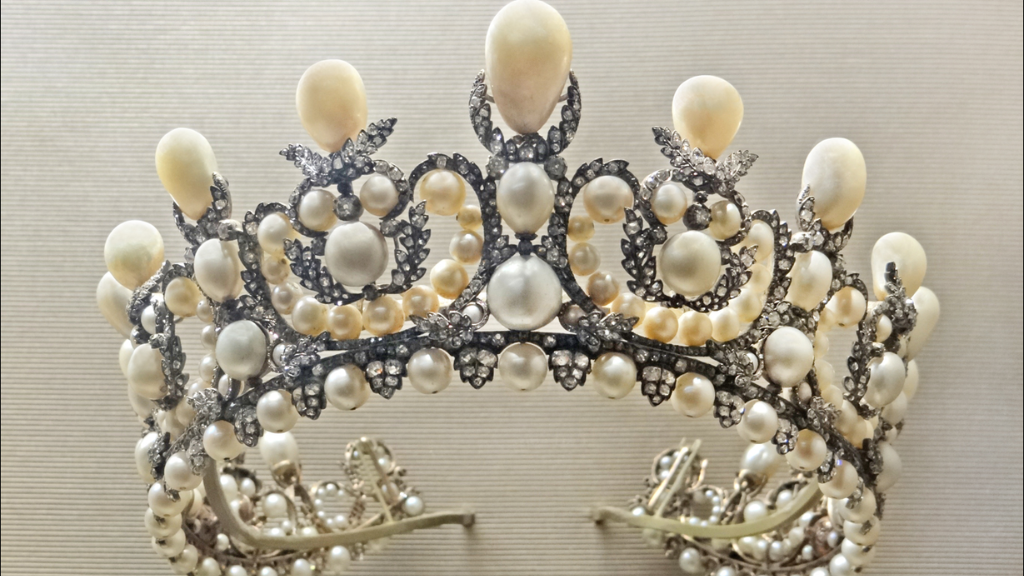
Pearl tiara of Empress Eugénie. Photo: Alexandre-Gabriel Lemonnier, CC BY 2.0, via Wikimedia Commons
The theft has further complicated the Louvre’s ambitious Louvre Nouvelle Renaissance redevelopment project, estimated at around $1bn and backed by Macron. The plan includes a new entrance dedicated to the Mona Lisa and extensive renovations, partly funded through controversial measures such as a 45% increase in ticket prices for visitors from outside the EU and income from the Louvre Abu Dhabi partnership.

From 14 January 2026, visitors from the UK, US, China and other non-EEA countries will pay €32 (£28) for entry. The decision has been approved by the museum’s board and is expected to generate €15–20m annually. Prices for EU visitors will remain unchanged.
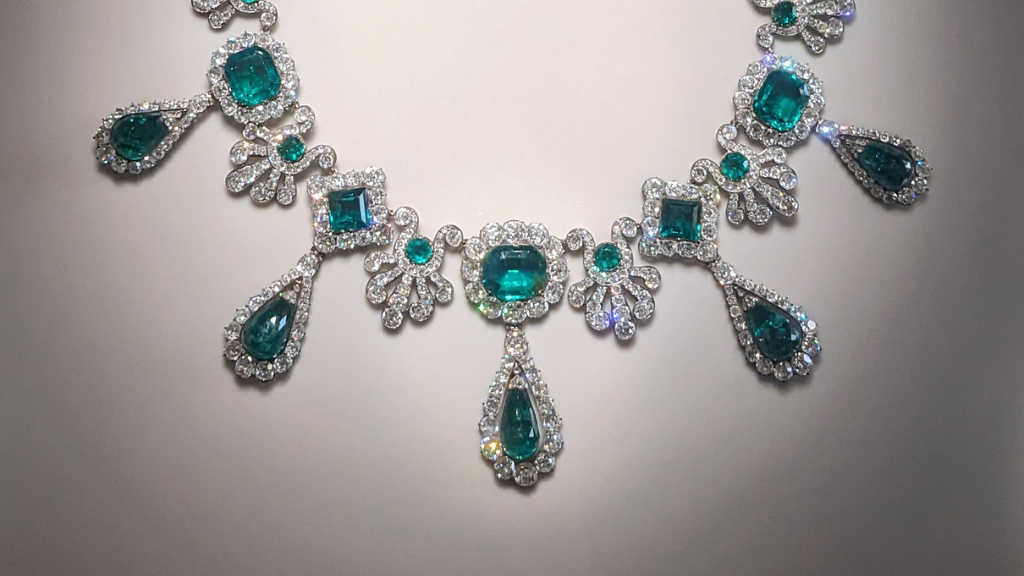
Emerald parure of Empress Maria Luisa. Photo: François-Régnault Nitot, CC0, via Wikimedia Commons
The investigation has once again drawn in former Louvre director Jean-Luc Martinez, who admitted that security in the Apollo Gallery had not been reinforced despite recommendations from a 2018 audit, citing fire-safety regulations — an explanation already questioned by experts. Metal grilles are now being reinstalled.

The current director, Laurence des Cars, faced high-profile hearings in the French Senate and offered her resignation, which the Ministry of Culture declined to accept. Instead, culture minister Rachida Dati appointed Philippe Jost, a key figure in the Notre Dame restoration, to oversee what has been described as a “serious reorganisation” of the Louvre — a move some in Paris see as de facto external management.
Read also: Felix Yusupov and Princess Irina of Russia: love, riches and emigration

Italy: forged Russian and Ukrainian modernists
The curator and art historian Konstantin Akinsha has claimed that at least 14 works attributed to Russian and Ukrainian modernists in the collection of Palazzo de Nordis in northern Italy are forgeries. The works form part of the Giancarlo De Martiis collection, donated to the city of Cividale del Friuli in 2015.
Writing on Substack and speaking to ARTnews, Akinsha pointed to questionable attributions, repeatedly referencing the names of Jean Chauvelin, a French dealer linked to multiple Russian-art forgery scandals, and Boris Gribanov, a convicted falsifier.

Particular attention has focused on a still life attributed to Olga Rozanova, dated 1912–13. Akinsha argues that it bears little resemblance to Rozanova’s authentic work and closely mirrors a 1999 still life by contemporary Russian artist Andrei Saratov. Saratov confirmed to ARTnews that he had no connection to the Italian work, calling it a “low-quality copy”.
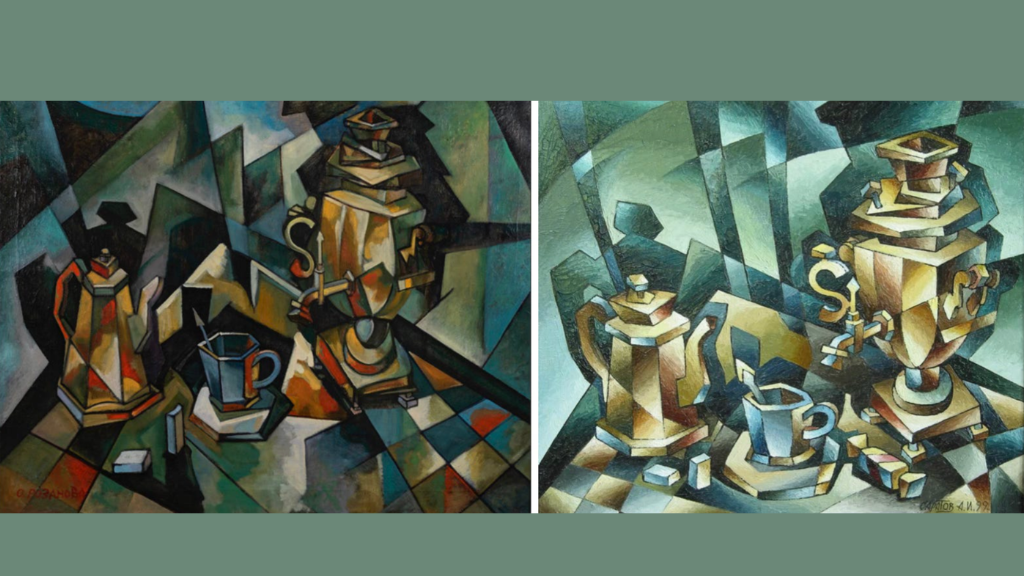
The still life: left Olga Rozanova right Andrei Saratov. Photo: ARTnews
Other contested works include a Portrait of a Man attributed to Maria Vasilieva, which Akinsha sees as a pastiche of a painting by Odesa artist Sigismund Olesiewicz, and a work attributed to Natalia Goncharova. London dealer James Butterwick has noted that Goncharova rarely repeated compositions, making such “studies” especially suspect.
Read also: The love and hate story of artist Pablo Picasso and Ballets Russes dancer Olga Khokhlova
Cividale del Friuli’s city authorities stated that the collection was accepted on the basis of expert opinions and technical analysis, while acknowledging that Akinsha’s views are “authoritative” and will be taken into account in further research.
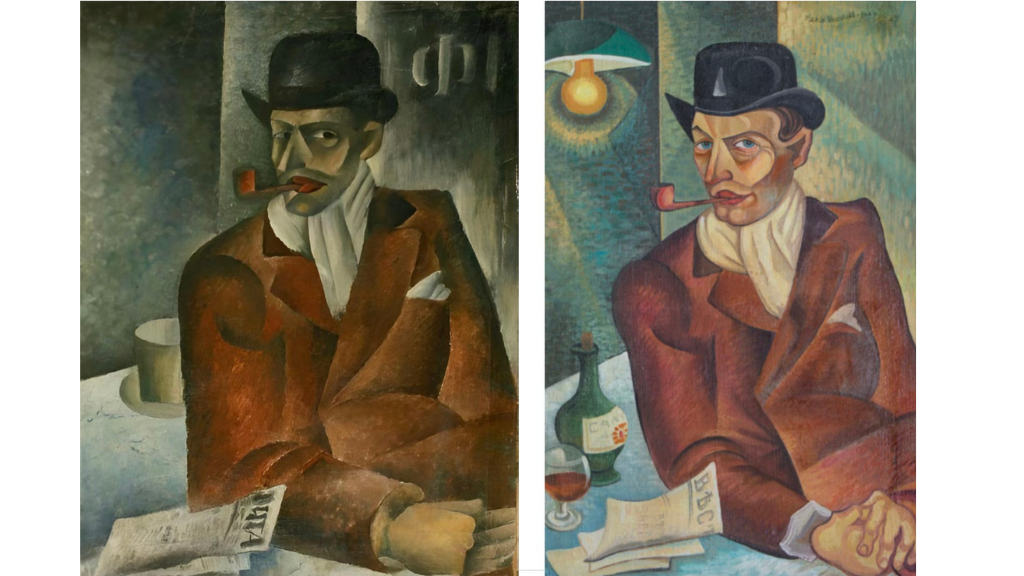
Left: Sigismund Olesevich. Right: Marie Vassilieff. Photo: De Martiis Collection
United Kingdom: thousands of artefacts stolen from museums
In 2023, the public was stunned by revelations that around 2,000 objects had gone missing from the British Museum. In 2025, museum thefts continued.
Late in the year, a museum in Bristol reported the theft of more than 600 artefacts linked to the British Empire. The burglary occurred overnight on 25 September, but Avon and Somerset Police only recently released CCTV images and appealed for information.

According to police, the stolen items were taken from a building on Cumberland Road housing part of the British Empire and Commonwealth Collection, which documents Britain’s relationship with former imperial territories from the late 19th century to the present. The collection includes Pacific artefacts, African clothing, photographs, film materials, personal archives and audio recordings, many donated to the museum.
The collection has been overseen by the city council and Bristol Museums since the closure of the Museum of the British Empire and Commonwealth in 2012.

Brazil: a Matisse theft in São Paulo
On 7 December, two armed men stole eight graphic works by Henri Matisse and at least five prints by Brazilian modernist Candido Portinari from the Mário de Andrade Library in São Paulo.
The works were part of From Book to Museum, an exhibition organised with the Museum of Contemporary Art of São Paulo, dedicated to book-related art and due to close that day. Other artists included Fernand Léger, Hélio Oiticica and Lygia Pape.
Read also: Lydia Delectorskaya: the Russian émigrée who transformed Henri Matisse’s life
Police said the attackers entered around 10am, threatened a guard and two elderly visitors, seized the works and fled on foot. CCTV and the city’s facial-recognition system quickly identified one suspect, who has since been arrested.
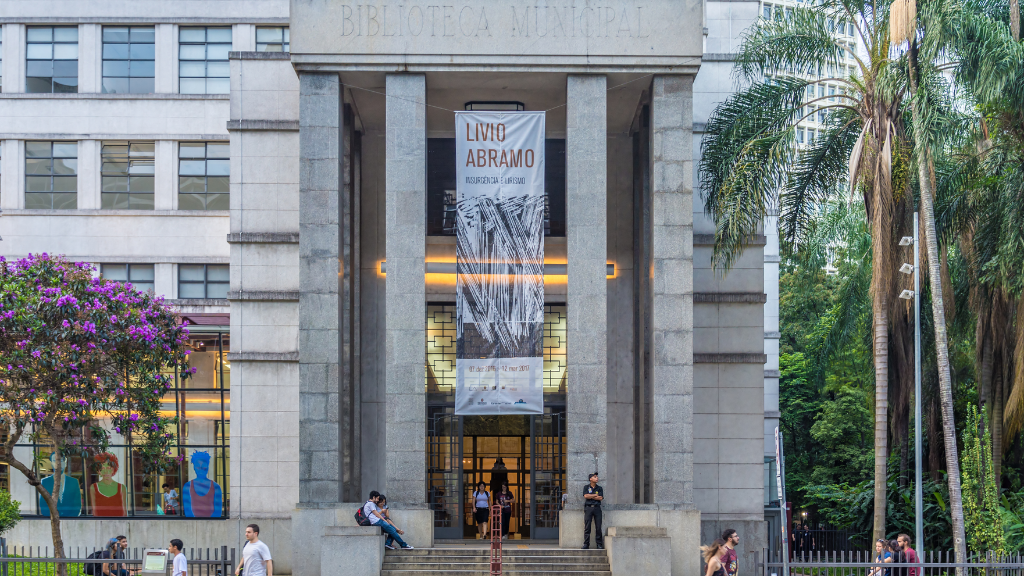
Biblioteca Mario Andrade, São Paulo. Photo: Wilfredor, CC BY-SA 4.0, via Wikimedia Commons
Brazilian media published footage showing one of the thieves walking down the street carrying artworks, later discarding some near rubbish bins. It remains unclear which Matisse works were taken. The exhibition included his book Jazz (1947), featuring 20 stencil prints inspired by his cut-outs; a copy sold at auction in 2021 for $774,000.

Switzerland: Roman gold coins stolen in Lausanne
In late November, the Roman Museum of Lausanne was robbed. Several dozen Roman-era gold coins were taken during an evening attack shortly before closing time. Two men entered as ordinary visitors, purchased tickets and assaulted a 64-year-old guard, knocking him to the ground before breaking into a secured display case.
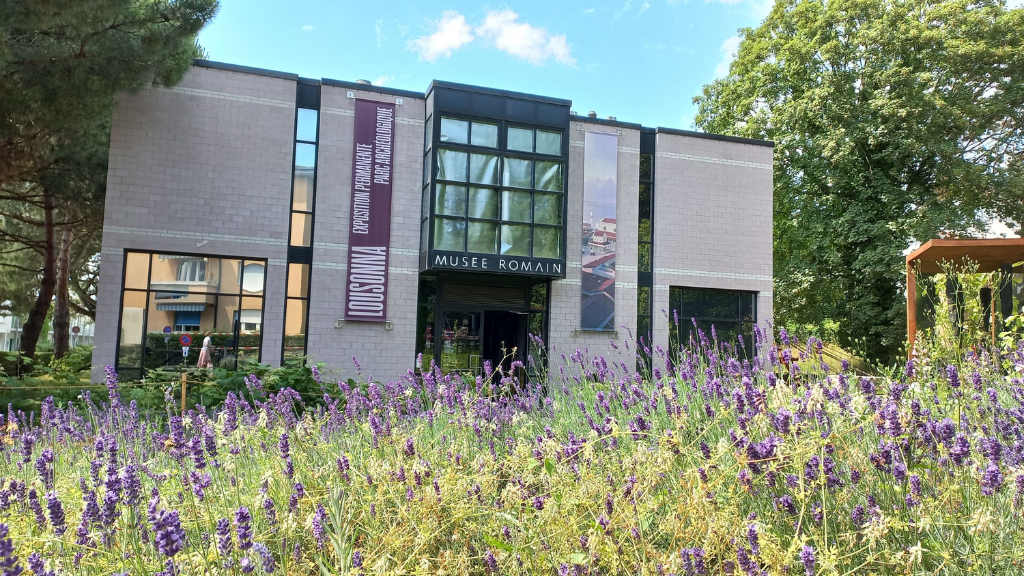
Photo: @Roman Museum Lausanne-Vidy
Although police arrived quickly after an alarm was triggered, the suspects escaped. The guard was not seriously injured. The exact number and value of the coins is still being assessed. Police stress their archaeological rather than commercial significance.

United States: more than 1,000 objects stolen from the Museum of California
On the night of 15 October 2025, thieves broke into a remote storage facility belonging to the Museum of California in Oakland, stealing more than 1,000 items. The haul included six Native American baskets, daguerreotypes, modernist metal jewellery and historical memorabilia such as political badges, ribbons and commemorative tokens.
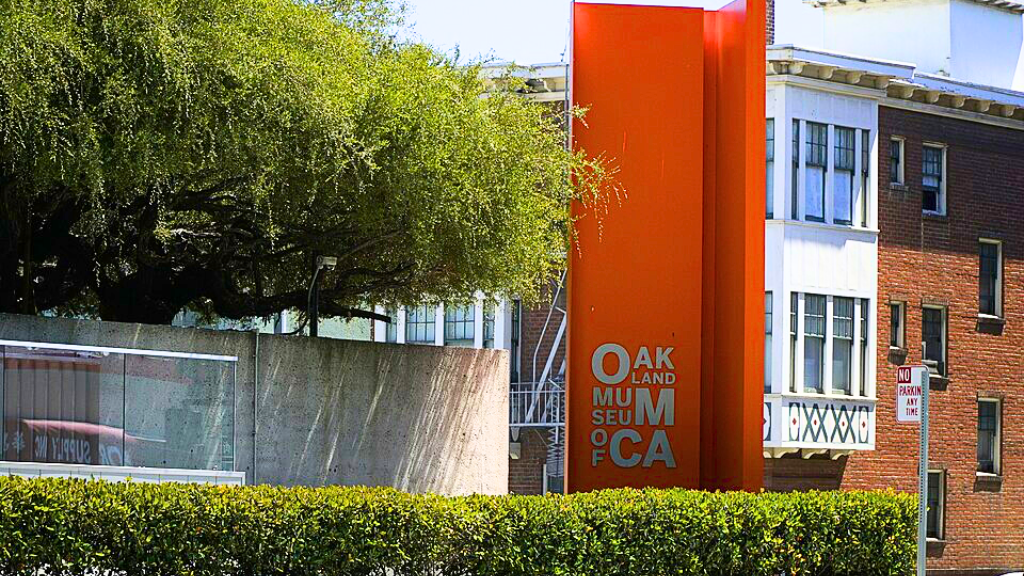
Oakland Museum of California. Photo: Californiathegreat, CC BY-SA 4.0, via Wikimedia Commons
“This is a loss not only for the museum but for the entire community,” said director and CEO Lori Fogarty. “We take our responsibility for preserving California’s cultural heritage extremely seriously and will do everything possible to recover the stolen objects.”
Read also: Winnie-the-Pooh at 100: new books, exhibitions and an official sequel
Investigators believe the thieves were unaware of what was stored at the site and did not target specific high-value artefacts, instead taking items that were easiest to remove.

The thefts and frauds of 2025 form part of a disturbing global pattern. Experts increasingly warn of growing interest among criminal networks in cultural artefacts — from ancient jewellery to museum archives. One can only hope that these high-profile cases will prompt institutions to reassess how they protect their collections. Works of art do not belong solely to museums, but to humanity as a whole — as shared cultural heritage that must be preserved for future generations.
Cover photo: Afisha.London
Read also:
London: dynamic pricing in the international theatre world triggers backlash
Harrods rewrites its own story: the end of the Al-Fayed era
National Gallery vs Tate: a new chapter in Britain’s cultural rivalry. Experts’ view
Related Articles



_(7166066743).jpg)


SUBSCRIBE
Receive our digest once a week with quality Russian events and articles