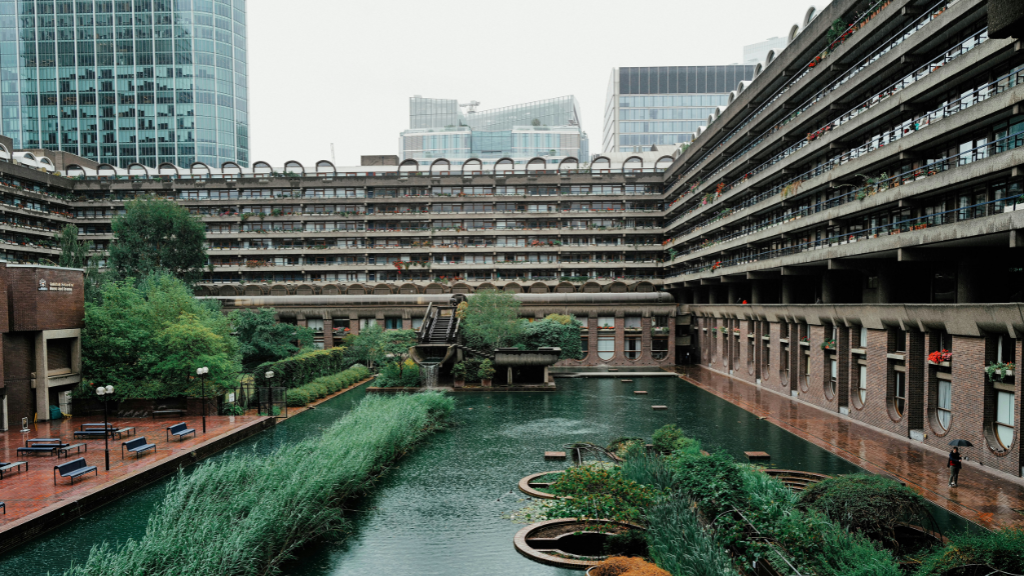
The Barbican is changing: can brutalism age gracefully?
At the Barbican Centre, the brutalist “city within a city” in London’s Square Mile, a major renovation project is set to begin. The redevelopment is linked to the complex’s 50th anniversary: the Barbican was officially opened by Queen Elizabeth II in March 1982, with the jubilee to be marked in 2032. Afisha.London looks at the project and the brief history of the Barbican.
This article is also available in Russian here
The renovation will be led by Asif Khan Studio. Even those unfamiliar with Khan’s name are likely to recognise his work: among his projects are the ribbon-like red bridge at Canada Docks, the current Cartier exhibition at the Victoria and Albert Museum, and Kimono: Kyoto to Catwalk, shown at the same museum in 2019.

Khan is also working on the new building for the Museum of London at West Smithfield, scheduled to open in 2026. His practice extends beyond the UK: he has contributed to the creative concept of the Cosmonautics and Aviation Centre at VDNKh in Moscow, as well as the Tselinny Centre for Contemporary Culture in Almaty.
Read also: Victoria and Albert museum to expand the Gilbert Galleries
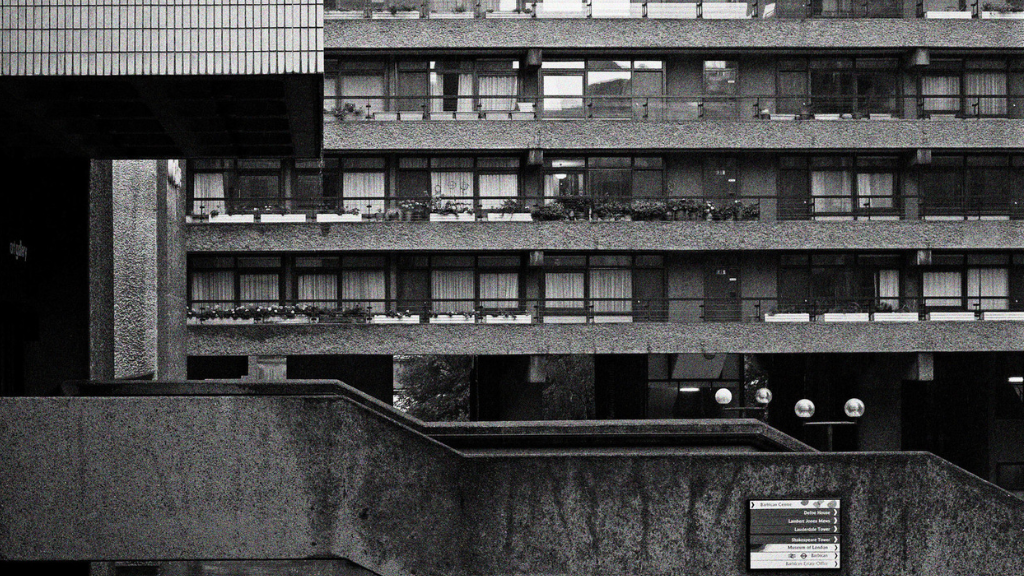
Photo: City of London : Barbican flats by Jim Osley, CC BY-SA 2.0, via Wikimedia Commons
Construction is expected to begin in 2027, with a total budget of £231 mln, around 80% of which has been allocated by the City of London Corporation. The refurbished arts centre will be brought into line with current accessibility and inclusivity standards.
One of the key parts of the renovation will be the famous Barbican Conservatory. Long-standing maintenance issues will be addressed, accessibility will be improved, and a climate-controlled environment will be created to better protect the plants. A new lift will provide step-free access to the upper levels for the first time, while new staircases will lead to raised balconies overlooking the tropical garden.

The concert hall, theatre and surrounding spaces will also be upgraded to make them more accessible for visitors with limited mobility. In addition, a new wayfinding system will be introduced across the complex to help visitors navigate the Barbican’s famously labyrinthine layout.
The changes will also affect public areas: the foyers and lakeside terrace will be redeveloped, and some materials — including glass from the Conservatory — will be reused as part of a sustainable renovation approach. The centre will also include a new multi-faith prayer room.

The residential Barbican Estate was built in the mid-1970s on land severely damaged during the Second World War bombings. The arts centre opened on the site in 1982. Today, the Barbican comprises a library, galleries, concert halls and cinemas, an educational institution, a girls’ school, around 2,000 flats, and the former Museum of London building, which is due to be demolished.

Despite ageing infrastructure and its often-described monolithic scale, the Barbican remains one of London’s key cultural destinations, attracting both committed arts audiences and city residents looking simply to spend time in a distinctive environment. The estate is also regarded as a highly prestigious place to live, with rents for flats reaching up to £5,000 per month.
Read also: Harrods rewrites its own story: the end of the Al-Fayed era
-
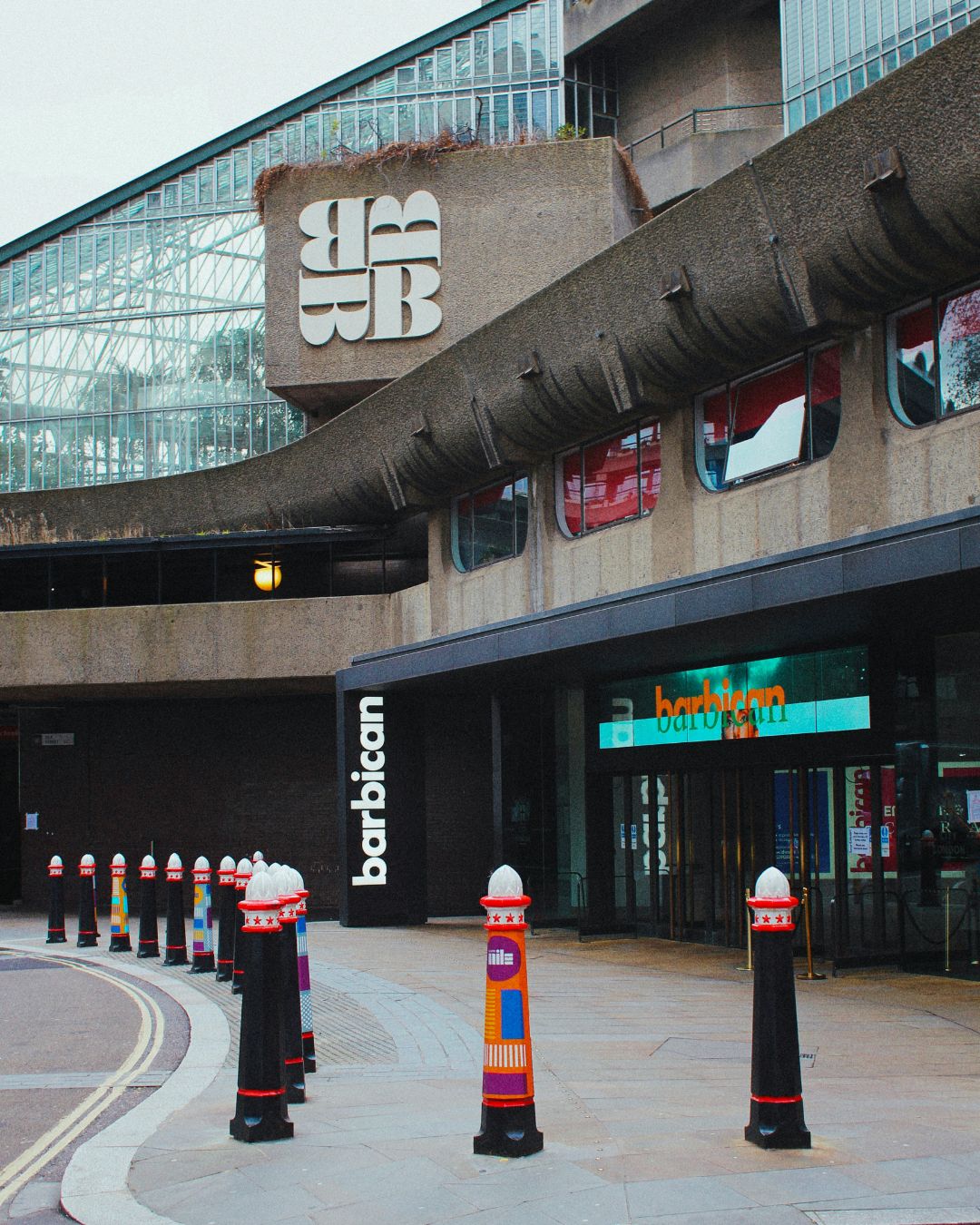
- Photo: Daniel-Gynn / Unsplash
-
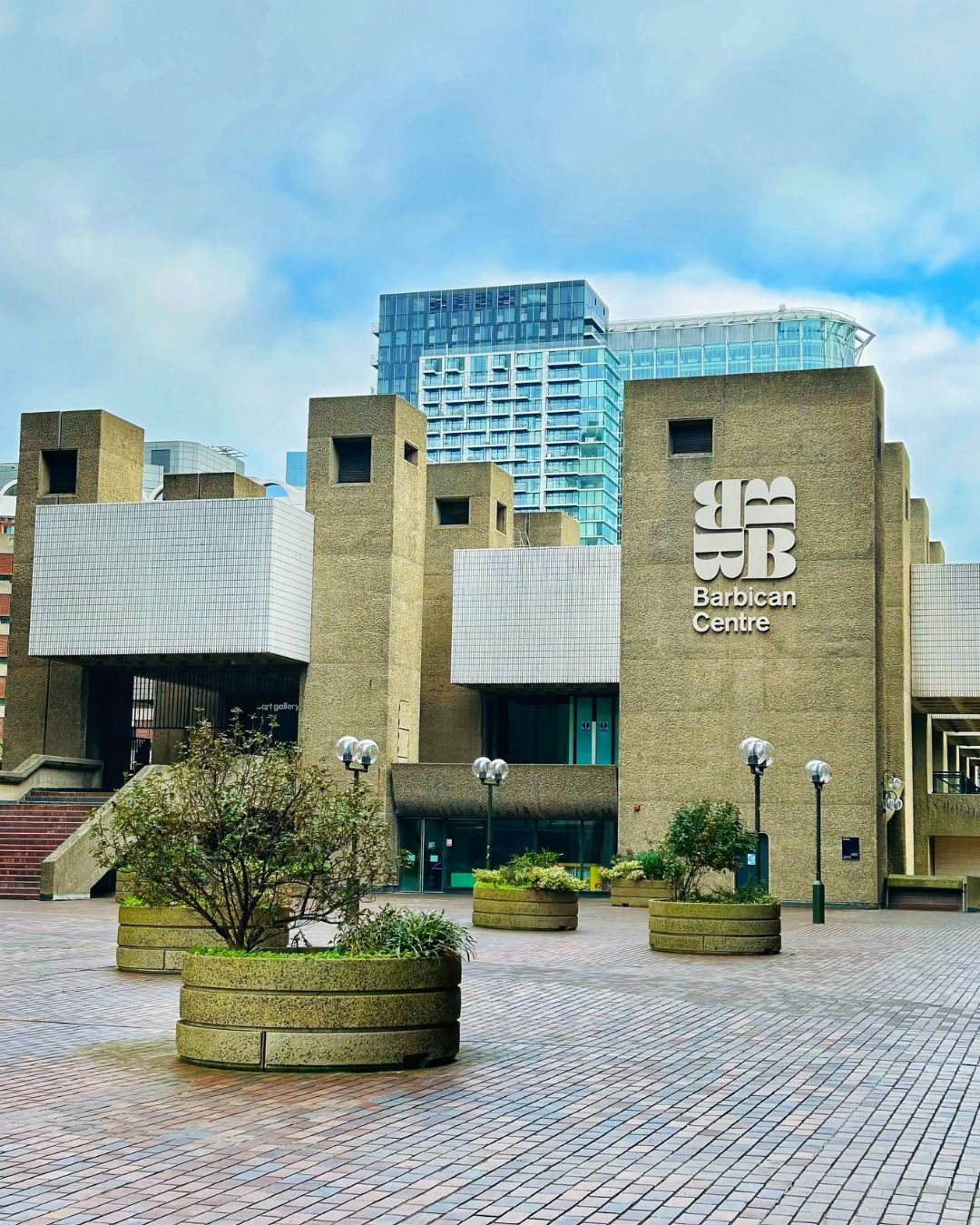
- Photo: Laura Marks / Unsplash
During the 1990s and early 2000s, the complex underwent several architectural interventions, not all of them consistent. In the 1990s, for example, Arts and Crafts–style sculptures were introduced into the landscape; these were later removed in the 2000s.
Although in 2003 the Barbican was voted London’s ugliest building in a Grey Poll survey, it is now widely recognised as an important part of the capital’s architectural heritage and holds Grade II listed status.

Brutalism, the architectural movement to which the Barbican belongs, was regarded during the modernist era as a form of radical avant-garde and was initially met with considerable public suspicion. The concrete that defines the complex was associated with utilitarianism and dystopian visions. Over time, however, the addition of gardens transformed the estate into something of an oasis amid the City’s glass-and-steel office landscape.
Read also: National Gallery vs Tate: a new chapter in Britain’s cultural rivalry. Experts’ view
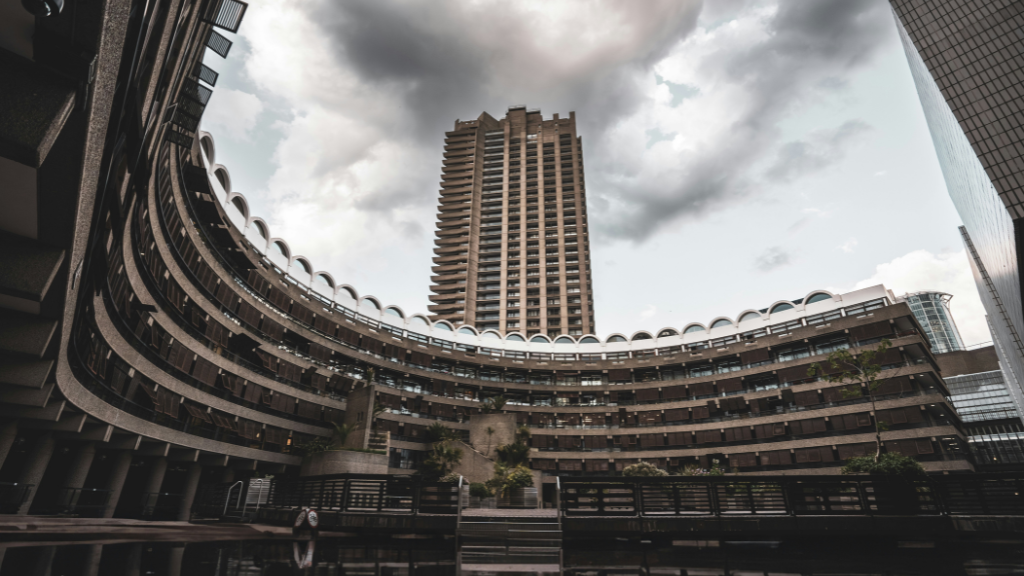
Photo: Artem Zhukov / Unsplash
Another prominent example of brutalism in London is the Southbank Centre. The two complexes share much in common: both combine cultural and educational institutions and have long attracted criticism. Southbank, too, has been labelled one of London’s least attractive buildings, yet — like the Barbican — it remains popular with audiences drawn to art, architecture and urban experimentation.
Cover photo: Daniel Moore / Unsplash

Read also:
Great British contemporaries: Lord Norman Foster
The biggest museum thefts and art forgeries of 2025
London: dynamic pricing in the international theatre world triggers backlash
Related Articles



SUBSCRIBE
Receive our digest once a week with quality Russian events and articles