Wardrobe as Diplomacy: an exhibition marking the centenary of Queen Elizabeth II in London
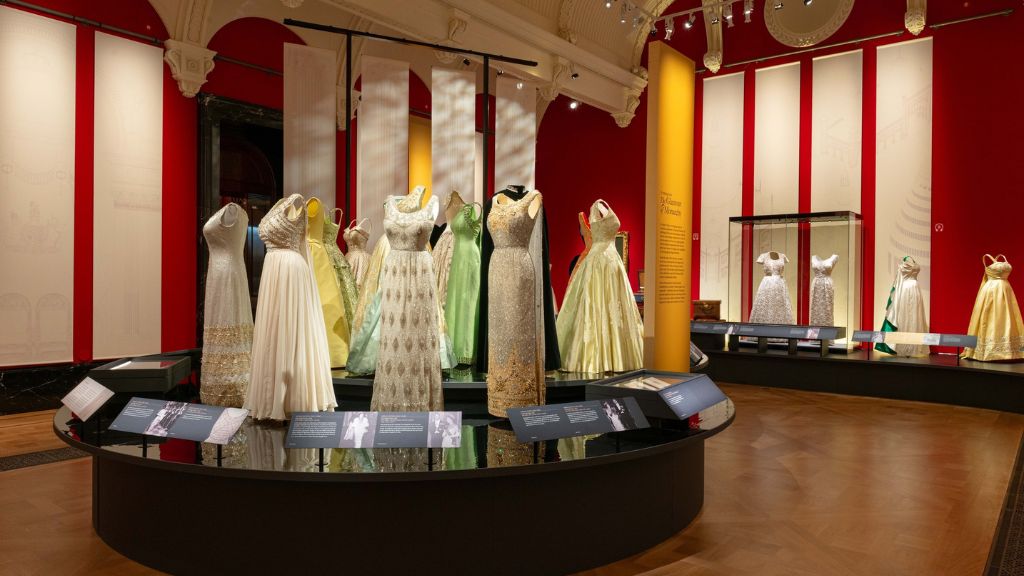
To mark the centenary of Queen Elizabeth II’s birth, London has opened the largest exhibition ever devoted to her wardrobe. After her passing in 2022, it became especially clear that an era had ended – one in which even the colour of a coat carried meaning. She reigned for seventy years and was almost always instantly recognisable: a bright coat, matching hat, brooch, black shoes, handbag. The look seemed unchanged, yet it was carefully constructed together with a team of designers. Afisha.London looks at the new exhibition at The King’s Gallery, Buckingham Palace.
This article is also available in Russian here
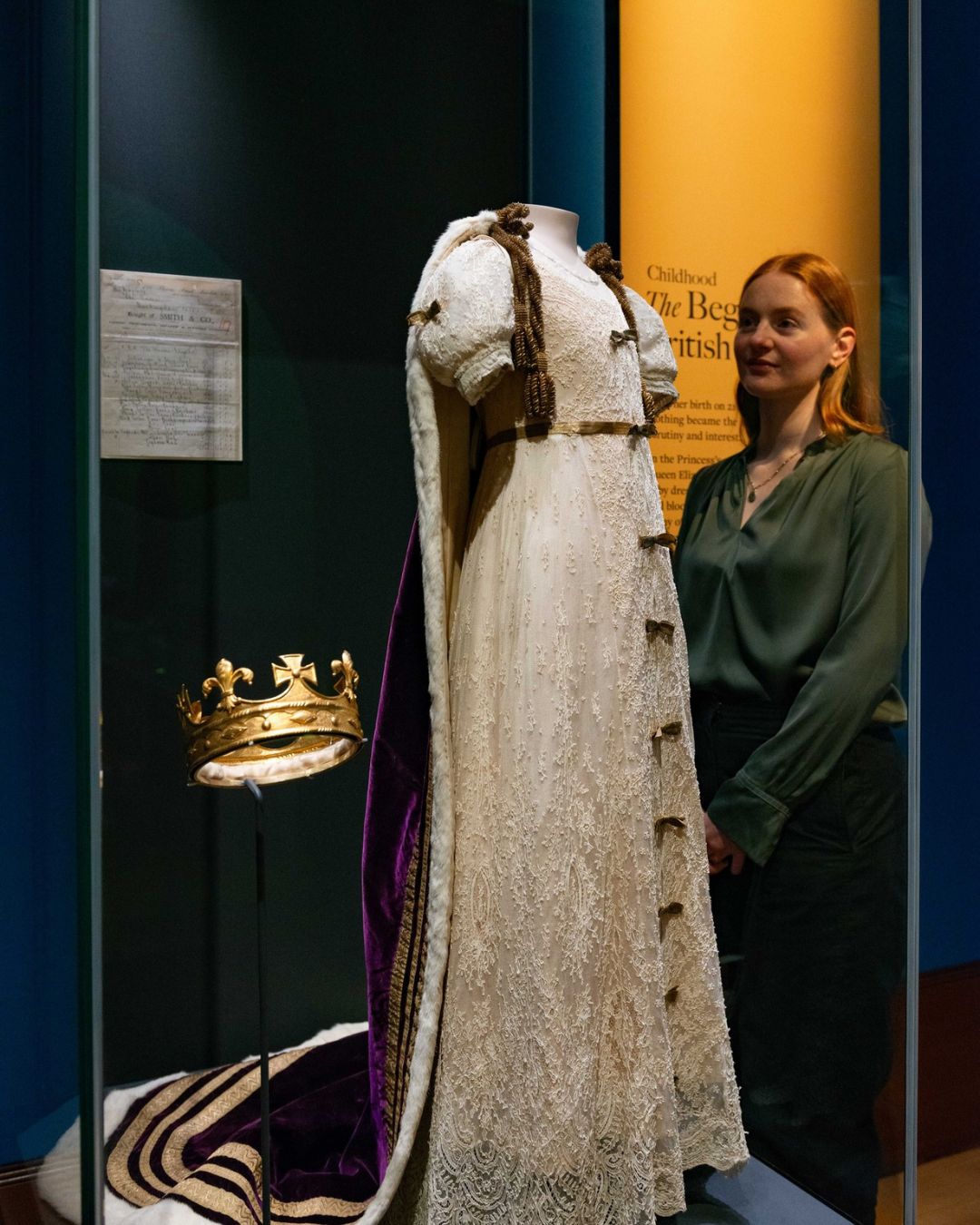
The exhibition, which opened on 10 April 2026, presents this wardrobe as a complete story for the first time. More than three hundred items from the Queen’s personal fashion archive trace her journey from young princess to symbol of the British monarchy. More than half of the pieces have never been displayed before: from wedding jewellery and a tiara to childhood items and even the dress created for her stunt double during the London 2012 Olympic opening ceremony.

Among the key exhibits are the outfit worn by the young Elizabeth at her parents’ coronation, her wedding dress, a rare surviving dress from her first Commonwealth tour in 1953–54, ensembles worn for the weddings of Princess Margaret and Princess Alexandra, an evening gown adapted for pregnancy, and outfits marking major historic moments – from the coronation to jubilees and international visits. The vitrines also include tiaras, jewellery, accessories, Launer London handbags, transparent umbrellas, gloves, archival sketches and even fabric samples annotated by the Queen herself.
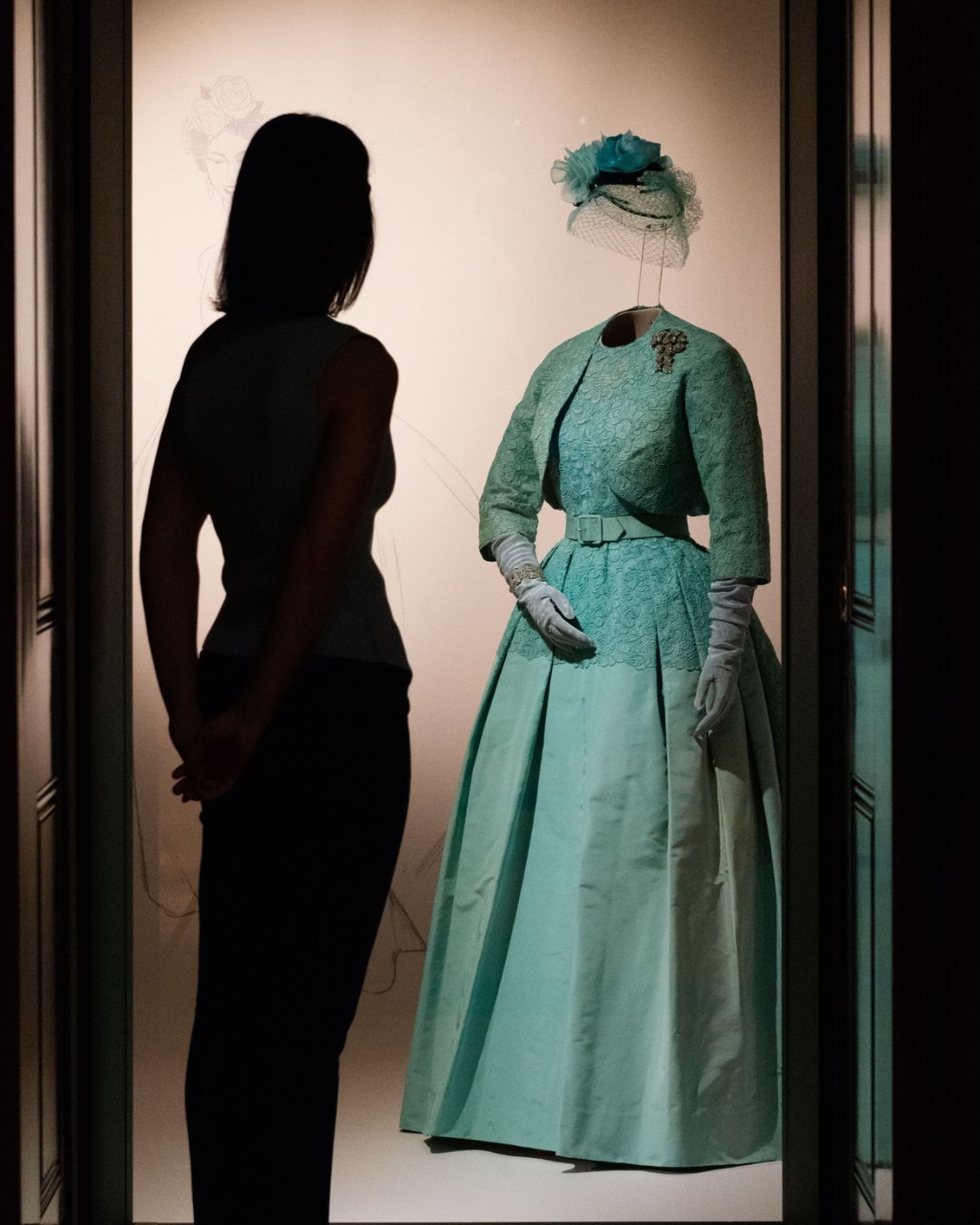
Particularly striking is the so-called “rainbow” section of the exhibition – the famous colour-blocking formula that ensured the Queen could always be spotted in a crowd. This visual language developed gradually. In the early years, the style was shaped by Norman Hartnell, creator of the wedding and coronation dresses, who worked with the future Queen before she ascended the throne. He introduced the romance of the post-war new look, full silhouettes, bead embroidery and ceremonial richness, making royal style both luxurious and soft.
In the mid-1950s, Hardy Amies joined the team and proposed a more restrained, “friendly” style for everyday life. His clean tailoring, structured lines and thoughtful proportions formed the basis of the Queen’s recognisable daytime look. He dressed her for nearly forty years, balancing protocol with modernity.
Read also: Elizabeth II and Russia: a visit to Moscow, a box for Yeltsin and the impressions of eyewitnesses
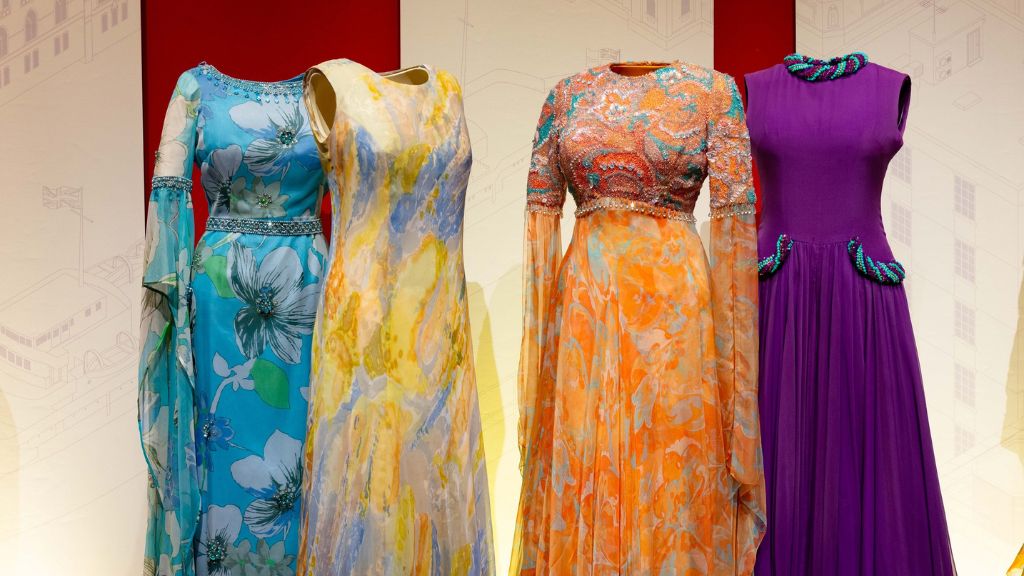
Photo: Royal Collection Trust / Facebook
Later, the wardrobe evolved with the times. Ian Thomas introduced softer lines in the 1970s, John Anderson emphasised graphic shapes and brighter colours in the 1980s, while the modern phase was shaped by Angela Kelly and Stewart Parvin. Kelly ultimately transformed the wardrobe into a colour system – neon shades, monochrome outfits and maximum visibility from a distance. Parvin added softer elegance to eveningwear and a contemporary lightness to the silhouettes.
The curators turn this evolution of colour into a physical experience. The colour gallery is designed as a narrow corridor where shades unfold gradually. First one colour appears, then another, then a third – and suddenly a rainbow surrounds you in layered sequence. It feels as if you are walking through decades of style. Colour becomes movement, and the outfits form a visual score.
Read also: Russian classics on London stages in 2026: from Turgenev to Chekhov
-
- Photo: Royal Collection Trust / Facebook
-
- Photo: Royal Collection Trust / Facebook
The hats – inseparable from the Queen’s image – were created by British milliners, notably Frederick Fox and later Philip Somerville. Thanks to them, the wardrobe includes the restrained berets of the 1960s and the sculptural forms of the 1980s and 1990s. More than fifty hats are displayed as a design narrative in their own right, moving from soft graphic shapes to almost architectural silhouettes.
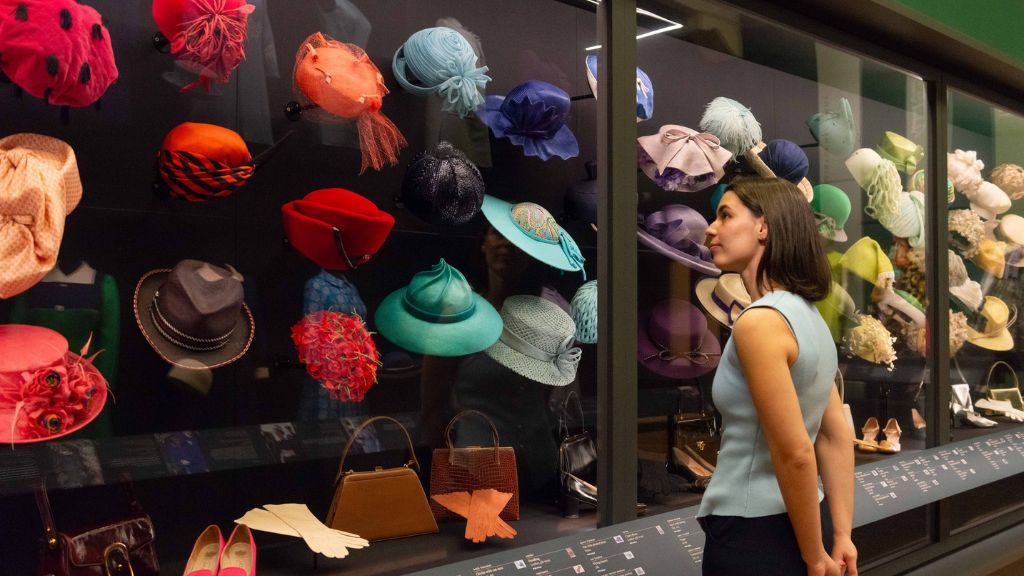
Photo: Royal Collection Trust / Facebook
The exhibition space itself is staged almost theatrically. The central gallery of evening gowns resembles a stage where lighting brings fabrics to life. Nearby are intimate jewellery displays, followed unexpectedly by tweed suits, riding clothes, scarves and practical coats. The contrast creates the sense of a living biography: from ceremonial appearances to country walks.
The overriding impression is that this is not simply a wardrobe, but a carefully constructed visual language. Through clothing, the Queen communicated with the public, marked key historical moments and gradually transformed personal style into a cultural code. Walking through the colour gallery, through changing fabrics, silhouettes and decades, you realise that this is not just fashion, but a portrait of an era told without a single word.
The exhibition runs until 18 October 2026
The King’s Gallery, Buckingham Palace, London
Cover photo: Royal Collection Trust / Facebook
Read also:
Anglo-Soviet friendship at war: new exhibition at The Wallace Collection
Related Articles

SUBSCRIBE
Receive our digest once a week with quality Russian events and articles