The City’s Symbol Gets a Second Wind: What Awaits the Bank of England by 2029
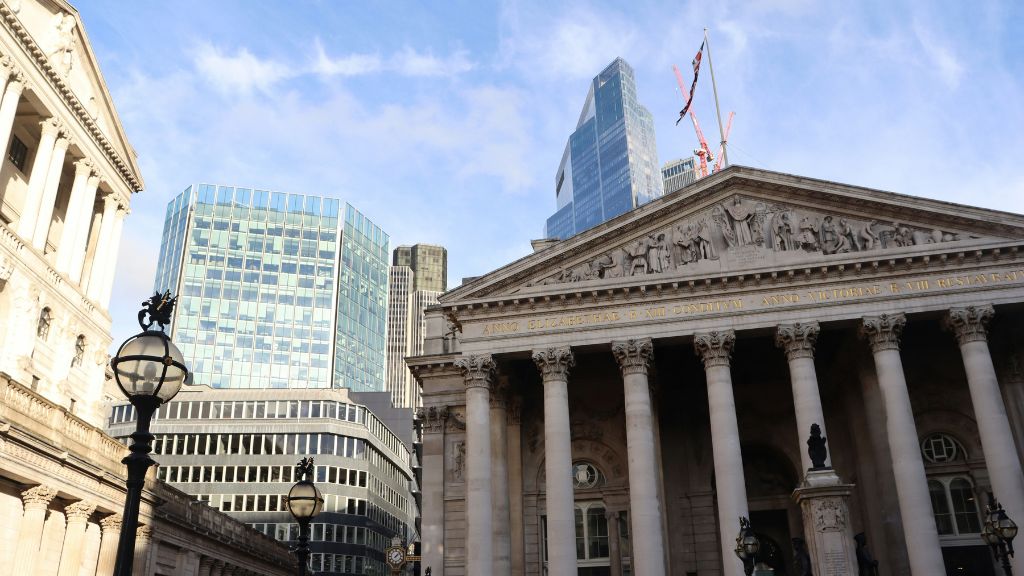
London is hard to impress with architecture: the city is packed with legends forged from stone, glass and steel. Yet some buildings stand apart — and the Bank of England, the monumental giant on Threadneedle Street, is certainly one of them. For nearly two centuries, this Grade I-listed colossus has set the tone for the City, acted as a symbol of Britain’s financial power and safeguarded four hundred thousand gold bars within its walls. Now, it’s heading into a serious, large-scale and remarkably delicate refurbishment.
The building has a storied past. The first version was designed by Sir John Soane in the 1830s, then completely rebuilt by Sir Herbert Baker in the 1930s (with only the façade surviving), and later underwent another major modernisation in the 1990s. Nearly two hundred years of architectural life have taken their toll, and once again, the bank is ready for change.

Work will begin in 2026, led by Purcell Architecture — the same firm that carefully restored Big Ben and the National Portrait Gallery. Judging by their past projects, no dramatic visual transformation should be expected: most of the refurbishment will unfold “inside,” barely noticeable to passers-by. The focus is on infrastructure.

The project has already been called “incredibly complex.” Architects will replace heating, ventilation and plumbing systems, rethink the office layout and future-proof the historic building for the decades ahead. In essence, it’s a deep internal upgrade — functional but extremely sensitive. Completion is planned for 2029.
Vivienne Grafton, the Bank of England’s Executive Director of Central Operations, explains the approach succinctly:
“This is an opportunity to breathe new life into a legacy building, not through radical reinvention, but through thoughtful, intelligent transformation.”
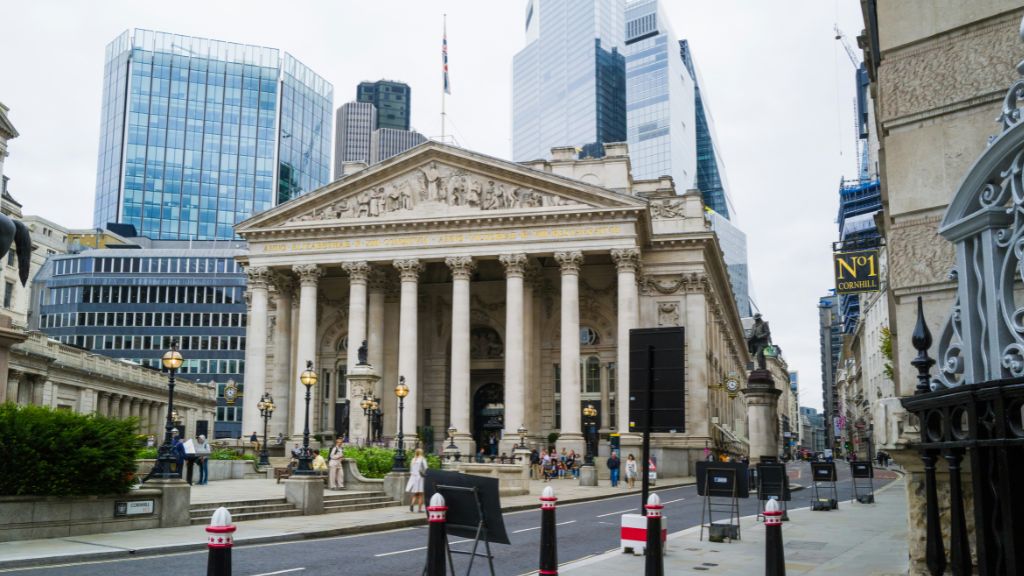
Фото: Georg Eiermann / Unsplash
According to her, the Bank of England is more than a financial machine. In London, it is at once a workplace, a platform for educational outreach, a museum and a core part of the City’s cultural identity. The new refurbishment is meant to support all these roles and create a space that blends sustainability, heritage sensitivity and public value.

So there will be no shiny new façade — and that’s the whole point. Instead of a showy transformation, the building will undergo subtle yet fundamental work. The kind that will allow the great structure on Threadneedle Street to comfortably see another century and remain unmistakably, recognisably, the Bank of England.
Cover photo: Alicja Ziajowska / Unsplash

Read also:
Highgate Cemetery to undergo major restoration
Fortnum & Mason: how the queen’s footman created London’s legendary emporium
Farewell to Bibendum: a London dining legend closed its doors
Related Articles

SUBSCRIBE
Receive our digest once a week with quality Russian events and articles