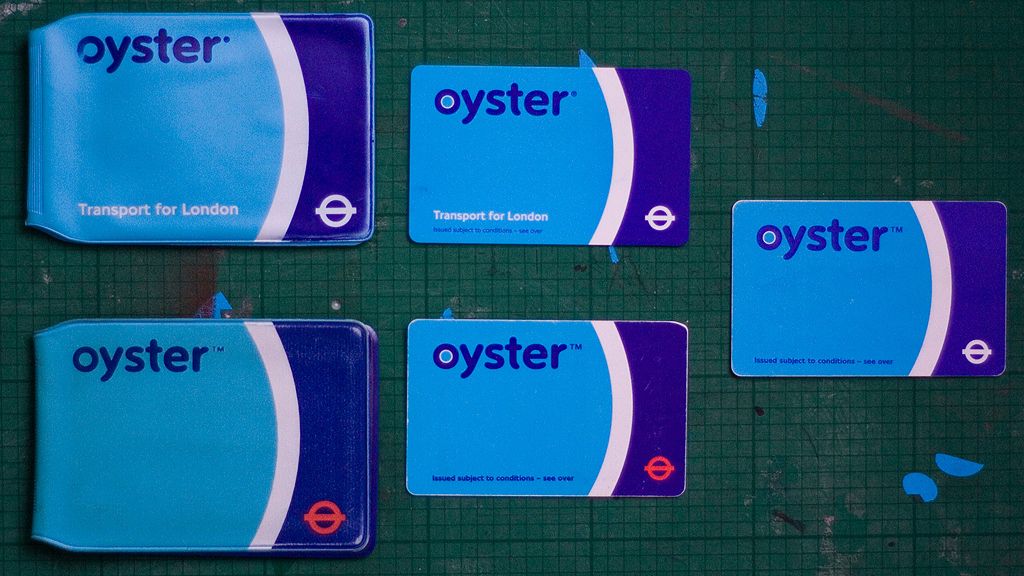
The legendary Oyster goes digital: London transport enters a new phase
Introduced in 2003, the Oyster card quickly became more than a way to pay for travel in London. Over two decades, the small blue piece of plastic has turned into a quiet civic symbol, embedded in the daily routines of millions. Now, it is preparing to take a decisive step into the digital future. Reporting from London — the latest from Afisha.London.
A small aside from the archives: the name Oyster was not an immediate choice. Early contenders included Gem and Pulse. Had things gone differently, Londoners today might be tapping entirely different cards at the ticket gates. The impact of Oyster was immediate and measurable. Passenger flow through ticket barriers increased to as many as 40 people per minute — around 15 more than with paper tickets — while boarding times on buses fell by almost two-thirds. It is little wonder that the card rapidly became synonymous with Transport for London itself.

Over the years, Oyster has also acquired a collectible life of its own. Limited-edition cards have marked major moments in the city’s recent history: the 2012 Olympic and Paralympic Games, the wedding of the Duke and Duchess of Cambridge, Queen Elizabeth II’s Diamond Jubilee, and the 150th anniversary of the London Underground. Now comes the next shift. TfL has signed a seven-year contract with the Spanish technology company Indra Group, which will take over responsibility for fare collection, replacing the American firm Cubic, Oyster’s partner since its launch. One of Indra’s central tasks will be to modernise the platform and prepare it for integration with smartphones.
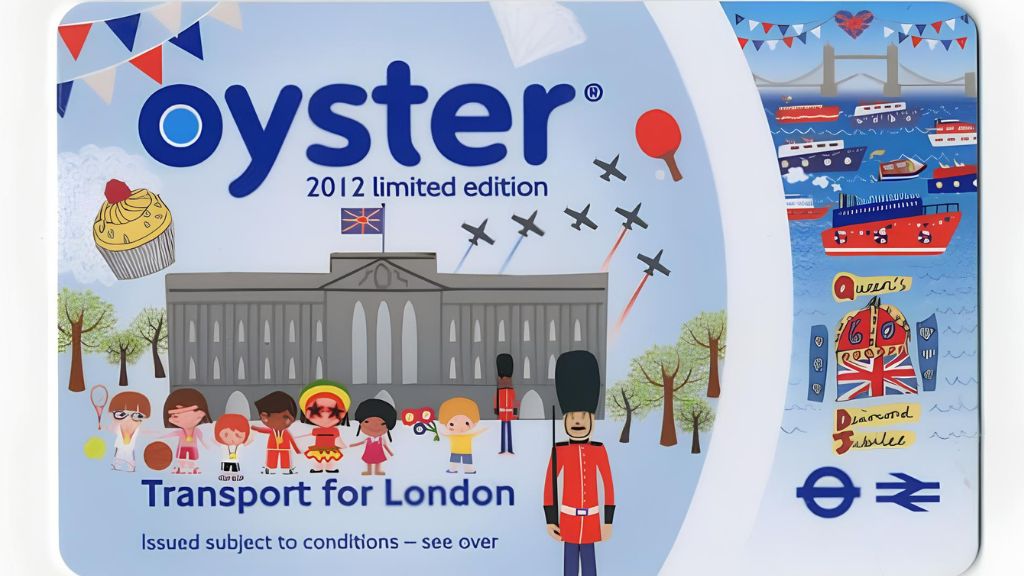
Limited-edition Oyster card for the London 2012 Olympic Games, issued by Transport for London. Photo: London Transport Museum.
For passengers, the implications are straightforward. An Oyster card on a phone would remove the risk of losing the card, allow instant top-ups, and provide real-time tracking of journeys and spending. Those who prefer the familiar plastic, however, need not worry: physical Oyster cards will remain available and valid. This raises an obvious question. Why does Oyster still matter when London’s transport network already supports contactless bank cards and mobile payments via Apple Pay and Google Pay?

In purely financial terms, there is little difference. Fares are the same whether you use Oyster, a bank card or a phone across the Underground, buses, Overground, DLR and trams. Daily spending caps are identical. Weekly caps operate slightly differently — applied automatically for contactless payments, and depending on the type of Oyster card used — but for most passengers the end cost is effectively the same.

The distinction lies not in price, but in purpose. Oyster remains essential for anyone using concessionary fares: children, students, over-60s and Freedom Pass holders — discounts that are not supported by bank cards or mobile payments. It is also the most reliable option for visitors using foreign cards, which can sometimes fail to work consistently. As a pre-pay system, Oyster offers clearer control over spending, particularly for children and older passengers. Contactless payments require consistent use of the same device to ensure caps are applied correctly; Oyster, by contrast, is simpler and more forgiving. And for many Londoners, there is also habit — a quiet loyalty built over more than twenty years of daily use.
Cover photo: Anne-Marie Maningas (Version-3-point-1 at en.wikipedia), Public domain, via Wikimedia Commons

Read also:
The Courtauld will open new contemporary art galleries at Somerset House
The City is getting a new free rooftop garden overlooking the Bank of England
Fortnum & Mason: how the queen’s footman created London’s legendary emporium
Related Articles






SUBSCRIBE
Receive our digest once a week with quality Russian events and articles