Sweat, Slow Down, Repeat: Inside London’s New Sauna Moment with Ksenia Bobkova
London’s spa and sauna scene has quietly become one of the city’s most compelling ways to spend an evening. From East End steam rooms and riverside bathhouses to ritual-led banyas and design-forward wellness spaces, these are the places reshaping how Londoners unwind, socialise and recover. What looks like a wellness trend is, in many ways, a return: to ritual, to slowness, to heat and conversation. To explore why this is not a passing trend but a proper cultural reset, bath culture researcher from the University of Greenwich Dr Maria Pasholok-Korolkova, exclusively for Afisha.London, spoke with Ksenia Bobkova, co-founder of Banya No.1 and one of the key figures of London’s bathhouse scene.
This article is also available in Russian here
— Ksenia, so finally saunas are there to replace pubs and bars as places for socialising and relaxation — would you agree?
— Yes and no. I absolutely agree that bathing and sauna culture is turning mainstream, but it’s far from a new trend. London is simply remembering what it has always had. This is a city with an impressive and long bathing history — from Roman thermae, the remains of which archaeologists still uncover, to Victorian public baths. By the late nineteenth century there were around two hundred bathhouses (or wash houses) in London, more than one in every borough. They were not just places to wash — people came there to socialise, relax and discuss the news. Sherlock Holmes visited a Turkish hammam like any respectable Victorian gentleman, which was brilliantly reimagined in Sherlock TV series with Benedict Cumberbatch. Washhouses of East London were proper social institutions, inseparable from the history of the East End — David Cronenberg’s Eastern Promises (2007) has a brilliant and one of the most brutal scenes taking place in such a sauna room.

Over time this culture faded, and its social function was taken over by pubs. Public baths entered British everyday life in the mid-nineteenth century and disappeared by the mid-twentieth as private bathrooms became common in mass housing. This cycle took place in the UK about eighty years earlier than, for example, in Russia. In Paris, by contrast, public showers still exist — one is located quite close to our Paris bathhouse. So what we’re seeing now is not so much the emergence of a new trend as the return of a forgotten tradition, adapted to the contemporary city and its rhythm.

— You were at the origins of the first Banya No.1 in London. How did it all begin?
— In the early 2010s, the idea of a traditional banya in London felt almost like an adventure. There were saunas and there were spas, but there was no understanding of the banya as a ritual. We wanted to create a space where the banya existed not as an exotic niche “for insiders,” but as an open public place. The first location in Hoxton was an experiment — for us and for the city. And London responded much faster than we expected. Today, at both Banya No.1 London locations — Chiswick and Hoxton — more than half of our visitors are Londoners from all over the world, while people from post-Soviet backgrounds make up about 40% of guests. Incidentally, a similar picture can be seen at The Bathhouse, another traditional bathhouse in London located near Victoria.
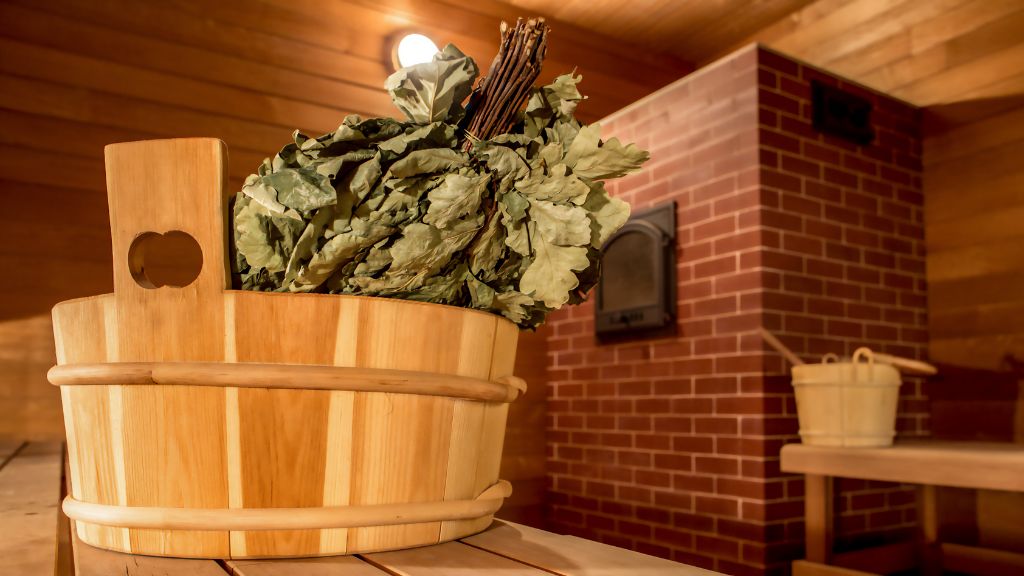
Photo: Banya No.1
— Today Banya No.1 is a group of projects in several cities around the world. How would you describe what you’ve built over the years?
— Over time it became clear that banya as a concept exists in more than one form. Every city and every space dictate its own rhythm. Hoxton was created in response to the pace of the dense urban environment: people come here for a quick reset, so a standard session lasts about ninety minutes — just enough to step out of the day and return refreshed. Hoxton also has Taiga, a private lounge, or private spa, ideal for groups and celebrations.
Chiswick, in West London, was conceived as a place for slowing down: visits easily stretch to three hours, with steam, pauses, food and conversation, without any sense of being rushed.

The Paris project developed quite differently — we work there only with small-group formats; the space is intimate, almost theatrical, with carefully designed ritual programmes and unique details like bath swings.
And Tbilisi is a countryside story, where the banya exists in dialogue with the landscape: panoramic views, a sense of openness and nature that become an extension of the steaming ritual itself.
The experiences are different for a customer, but the principle is the same — the banya adapts to the life around it, not the other way around.
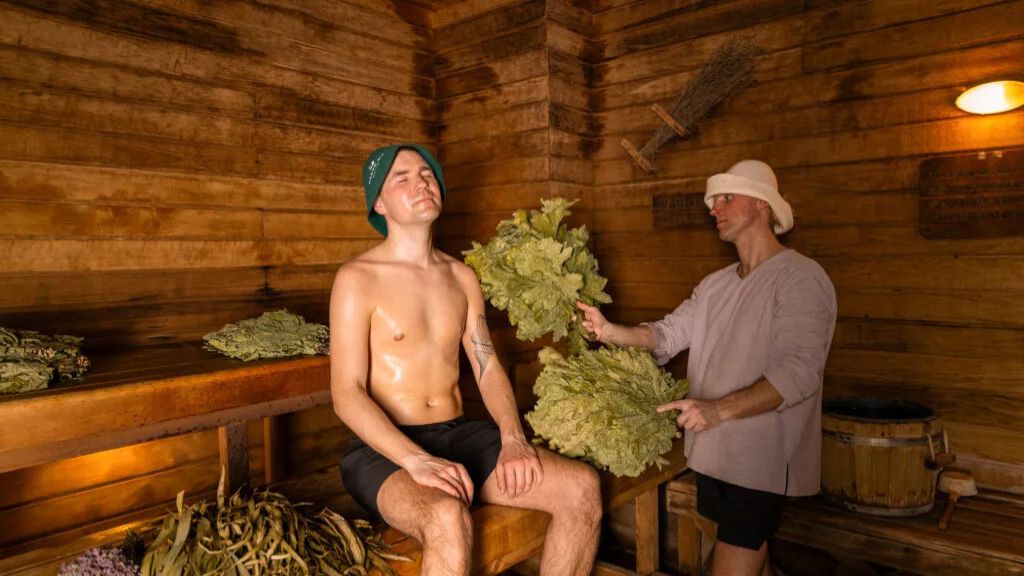
Photo: Banya No.1
— Banya No.1 has come a long way over the years. It’s known that you and co-founder Andrei Fomin, whom Afisha.London interviewed in 2018, now run the Hoxton and Chiswick businesses separately. Why?
— Yes, that’s true, and there are indeed many rumours around it. I recently heard again that we were married and that this is a real “divorce.” We sometimes laugh about it — but no, we never divorced (and were never married); we simply parted ways as business partners, diverging in our visions for the company’s development — for entirely natural reasons.
The story of Banya No.1 can be divided into three phases. The first five years were about launching the first bathhouse in Hoxton and shaping the concept itself. It was a period of experimentation and intuition, when we were literally testing whether such a banya could exist in London.
The second five-year period focused on scaling: finding a new space, launching Chiswick, and simultaneously working on the project in Tbilisi. The business became more complex, with larger teams, more processes and greater responsibility.

By the third five-year phase it became clear that the business had entered a new stage. It was no longer a start-up or a nostalgic project, but a mature, growing business with nearly a hundred of employees, investors and international outposts. At this point it became evident that there were different views within the business about future development and management priorities. This is a normal story for a business that has grown. We have been going through the process constructively and with mutual respect.
For me, the current stage coincided with a broader trend in the industry. Today the question is not only how to create a great client experience — that is taken for granted when 40,000 people pass through Banya No.1 steam rooms every year — but how a business exists over the long term: how it retains and brings back customers, navigates inflation, operates amid a fivefold increase in energy prices, addresses staffing challenges, builds environmentally responsible processes and remains honest with both guests and employees. The banya, by its nature, is a very sustainable form: it is about warmth, slowing down and the mindful use of resources. And now it is important for me to develop projects within this logic — so that bath culture in the city has a stable future rather than just a moment of popularity.
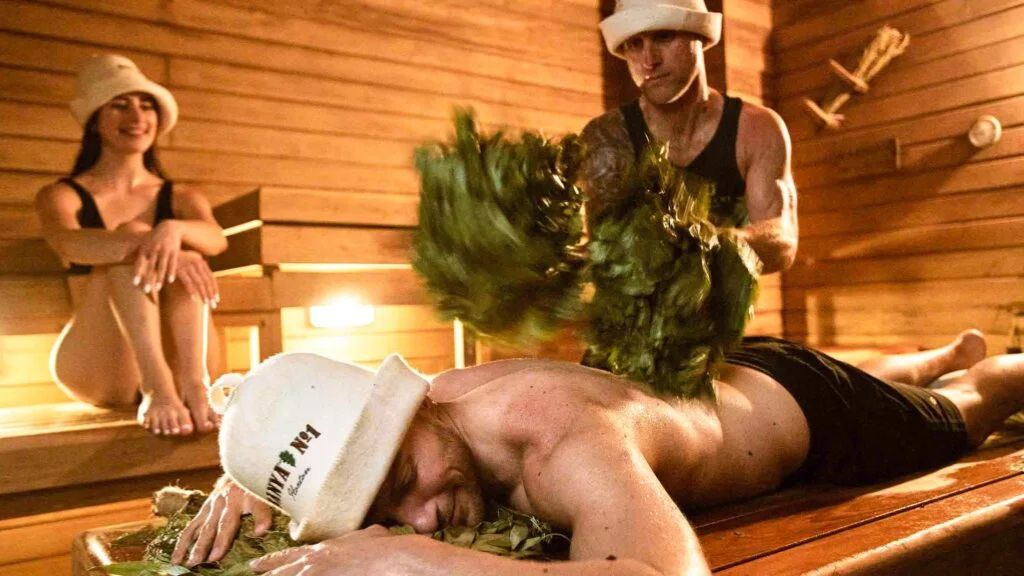
Photo: Banya No.1
— How important is sustainability for the bathhouse business today?
— For Banya No.1, it’s not an abstract trend or a marketing label. A banya is a resource-intensive format: water, heat, electricity. If you want to operate for the long term, you simply have to think about this systemically.
We invest in energy efficiency, rethink processes and constantly refine how resources are used within the space. Sometimes this is invisible to guests, but these decisions determine whether the business can remain stable in five, ten or fifteen years.
Sustainability is also about people: teams that don’t burn out, fair working conditions, a sense of meaning in what you do. The banya teaches care and slowing down — and if a business does not reflect these values internally, it is always felt hollow.

— Do you think the current boom of saunas and steam rooms in London is here to stay?
— I’m sure it is. We live in a city where people are tired of constant stimulation, screens, noise and speed. The banya offers a rare sense of simplicity and presence in the moment. That’s exactly why it fits so well into contemporary London. I believe bath culture here has a long and fascinating future ahead — and we’re happy to be part of it.
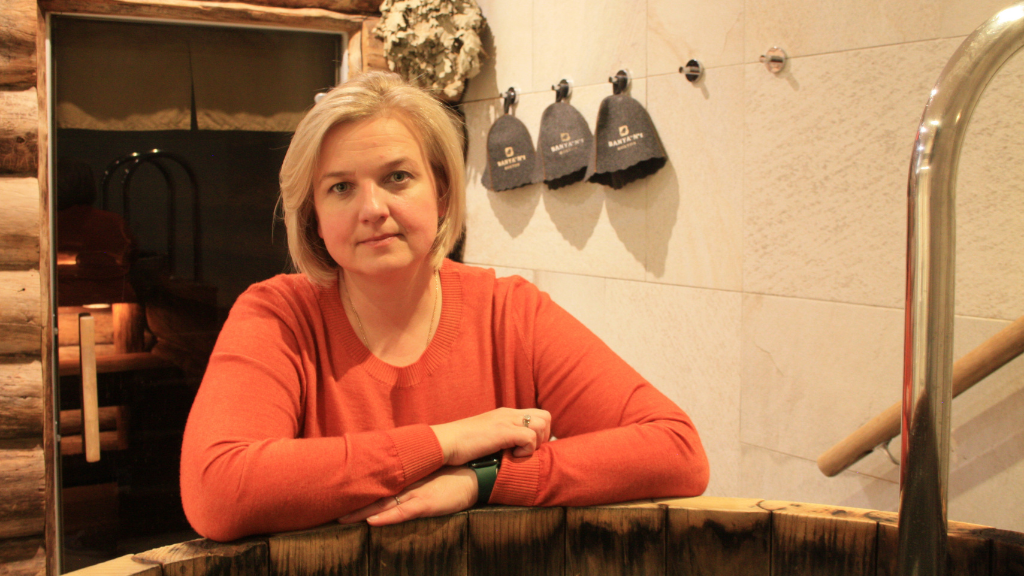
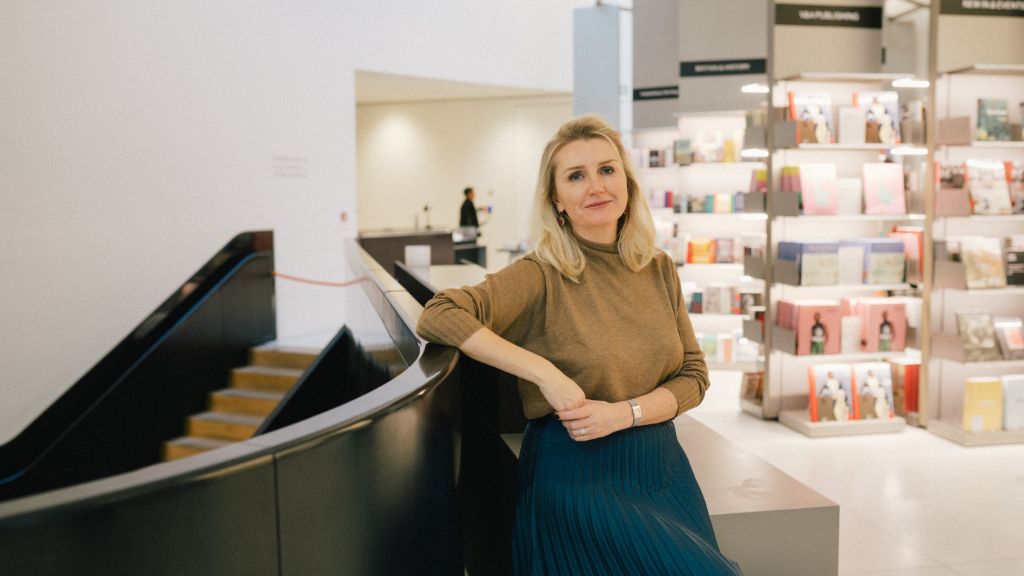
Cover photo: Ksenia Bobkova, personal archive

Read also:
Russian classics on London stages in 2026: from Turgenev to Chekhov
Masterpieces on the streets: the National Gallery goes on tour across Britain
Behind the scenes: Olga Balakleets on reputation, trust and creating major cultural events
Related Articles
SUBSCRIBE
Receive our digest once a week with quality Russian events and articles