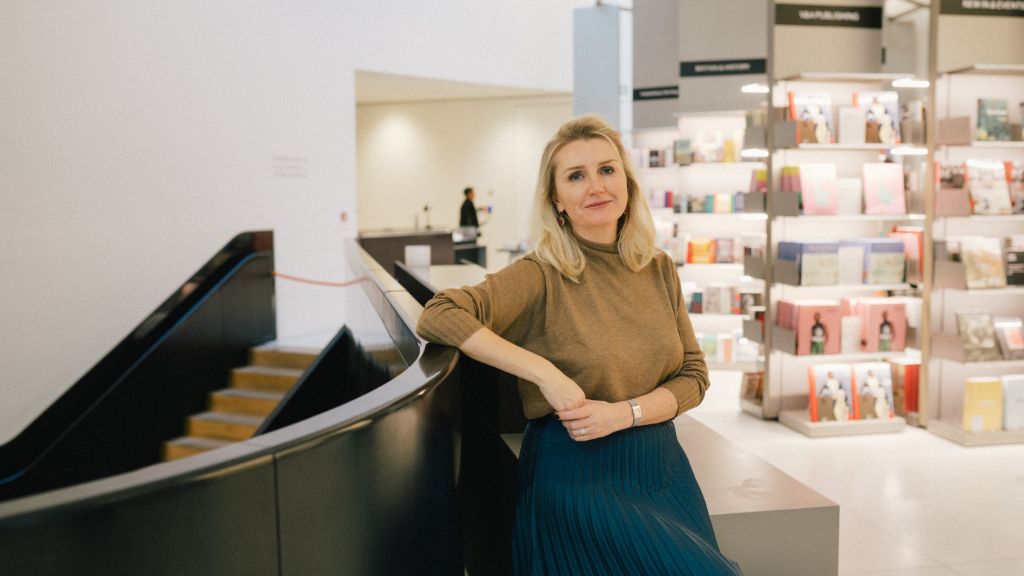
“My collaboration with British museums is built on love”: an interview with cultural specialist Margarita Bagrova
When people move to another country, they leave behind more than familiar streets and routines. They also risk losing the effortless intimacy of their native language. One might reasonably ask why preserve a language that seems less necessary in a new environment. Yet language and culture are precisely what allow a person to remain internally coherent — to carry their story intact across borders.
The educational art project Museum Cat was created to preserve the Russian language and cultural literacy among bilingual children in London. In 2023 it marked its tenth anniversary. How important is it for children growing up abroad to maintain their native language? What does artistic education offer beyond knowledge of art itself? How can museum visits help build a shared cultural space within a family? And what distinguishes museum cultures in Russia and in the United Kingdom? Margarita Bagrova – entrepreneur, art expert, founder of the cultural magazine Afisha.London, and creator of Museum Cat – reflects on these questions in conversation with Kommersant UK.
The interview was conducted by Alyona Ivanova and published on 2 March 2023.
This interview is also available in Russian here
On the origins of Museum Cat
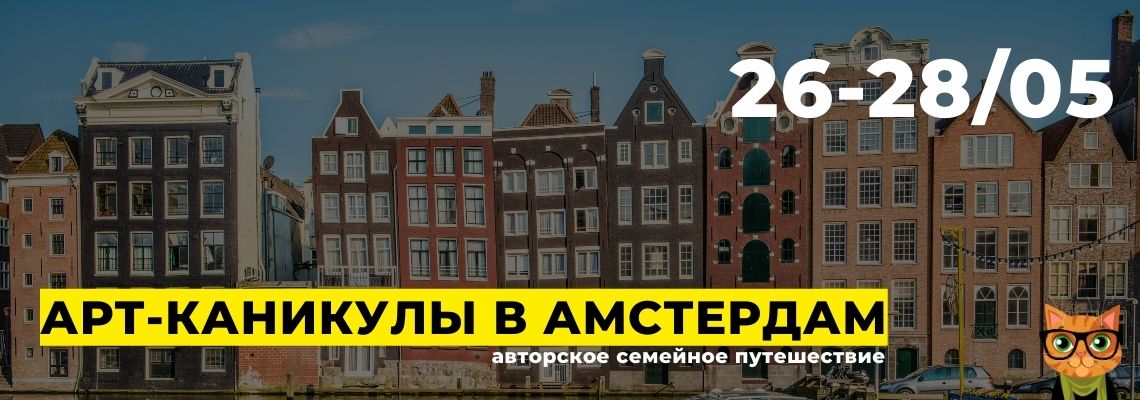
The idea for the project emerged in 2013, when I began organising workshops and cultural sessions for children. The name refers to the famous cats of the Hermitage Museum, where I studied and worked before relocating. It also contains a linguistic play: in Russian, cat and code sound similar, creating an association between a cultured cat and a cultural code. The name reflects not only this wordplay, but also a broader affection for knowledge, for the world, and even for our animal companions.
Museum Cat has grown into a space where we create educational content for both children and adults, allowing families to speak about culture while living abroad in the language that feels most natural to them.
On how the project has evolved
The core goals have remained unchanged: to cultivate aesthetic awareness, to train visual memory, and to help children see connections between historical events, epochs and artistic movements. What has changed over time is the scale.
What began with just two or three programmes has expanded into more than sixty-five thematic courses, alongside bespoke sessions designed in response to current exhibitions.
Our earliest groups consisted of families with children aged seven to nine. Today we also work with younger participants from four and a half, while offering specialised programmes for teenagers. The project has grown, but its educational philosophy remains the same.
On audience loyalty and popular programmes
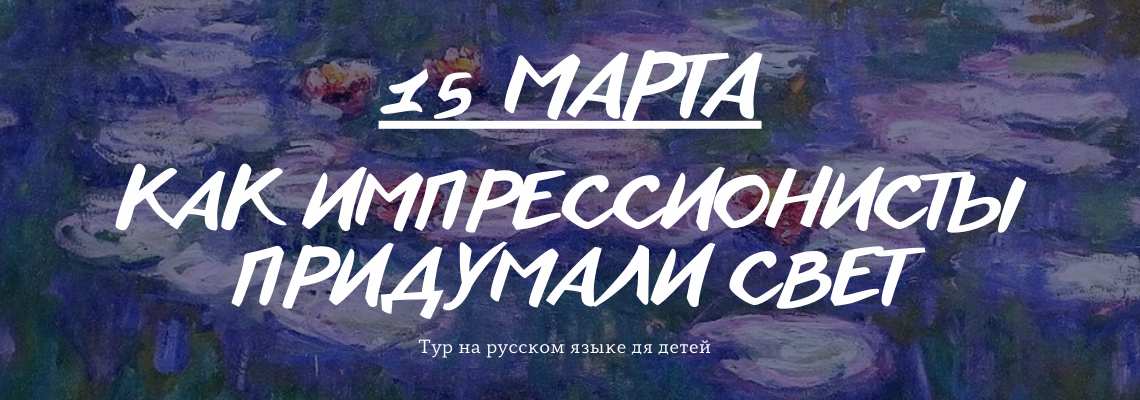
Our long-term data shows that interest in history and fine art remains consistently strong among our audience. Programmes devoted to Ancient Greece, Rome and Britain at the British Museum remain especially popular, as do sessions held in art museums more broadly.
Roughly eighty per cent of our audience returns regularly. Some families first attend with their older child and later bring younger siblings as they grow up. There is something deeply moving in seeing former pupils return — no longer just participants themselves, but guides and companions for the next generation.
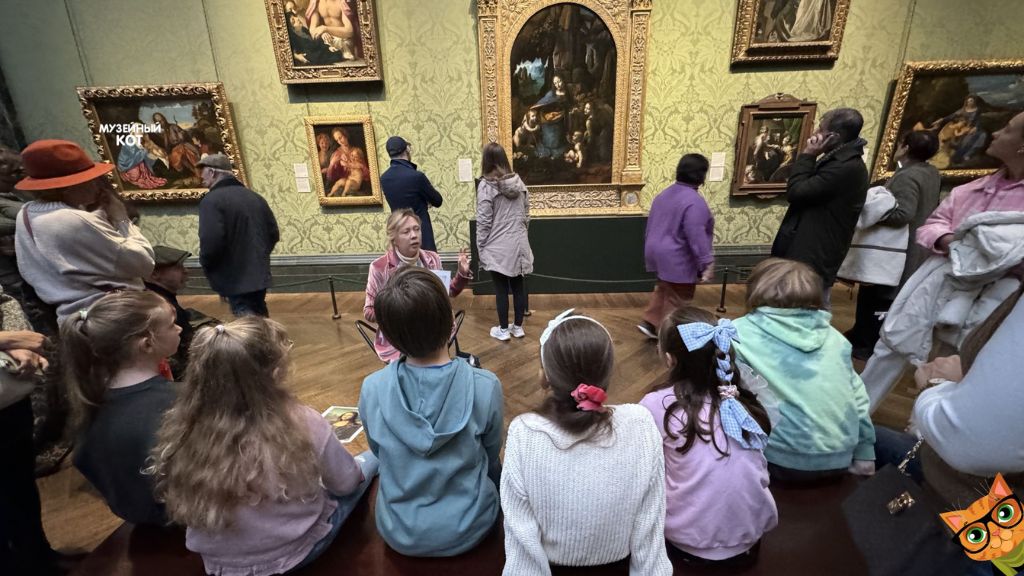
Photo: Museum Cat
On language, identity and growing up abroad
When I relocated, I realised that I might gradually lose my native language, blending it with English — and that the same could happen to my child. Yet I wanted my children to speak to me in Russian and to inherit the cultural world that shaped me.
That is why both of my projects — Museum Cat and the magazine Afisha.London — are rooted in culture and in the preservation of language. The children who come to us usually already have a solid linguistic base; we tend to attract families who consciously want to maintain Russian within their home. These families come not only from Russia but from across the wider Russian-speaking world. Although our programmes are conducted in Russian, the project itself is international, designed for multilingual families navigating life between cultures. We also work with many mixed families where one parent is determined to preserve their native language.
I have also encountered families who abandon their mother tongue after immigration. To me, losing such an inheritance — and Russian is one of the most structurally rich and expressive languages in the world — is a profoundly short-sighted decision.
On practical strategies for maintaining family language
English inevitably begins to dominate very quickly, as children start school early here in the UK. Parents should not worry whether their child will learn English — the environment ensures that this happens swiftly and naturally.
The real foundation of language preservation lies in everyday communication within the family. Parents need to speak Russian with their children often and across varied situations.
With my own children I use what I would call gentle correction. My elder child has a stronger command of Russian, while my younger one grew up in a more English-dominated environment and her vocabulary is slightly narrower. When a child inserts an English word into a sentence, I translate it into Russian and repeat the whole phrase. I have also taught them not to feel embarrassed if they lack a word, but simply to ask: “How do you say this in Russian?”
-
- Photo: Museum Cat
-
- Photo: Museum Cat
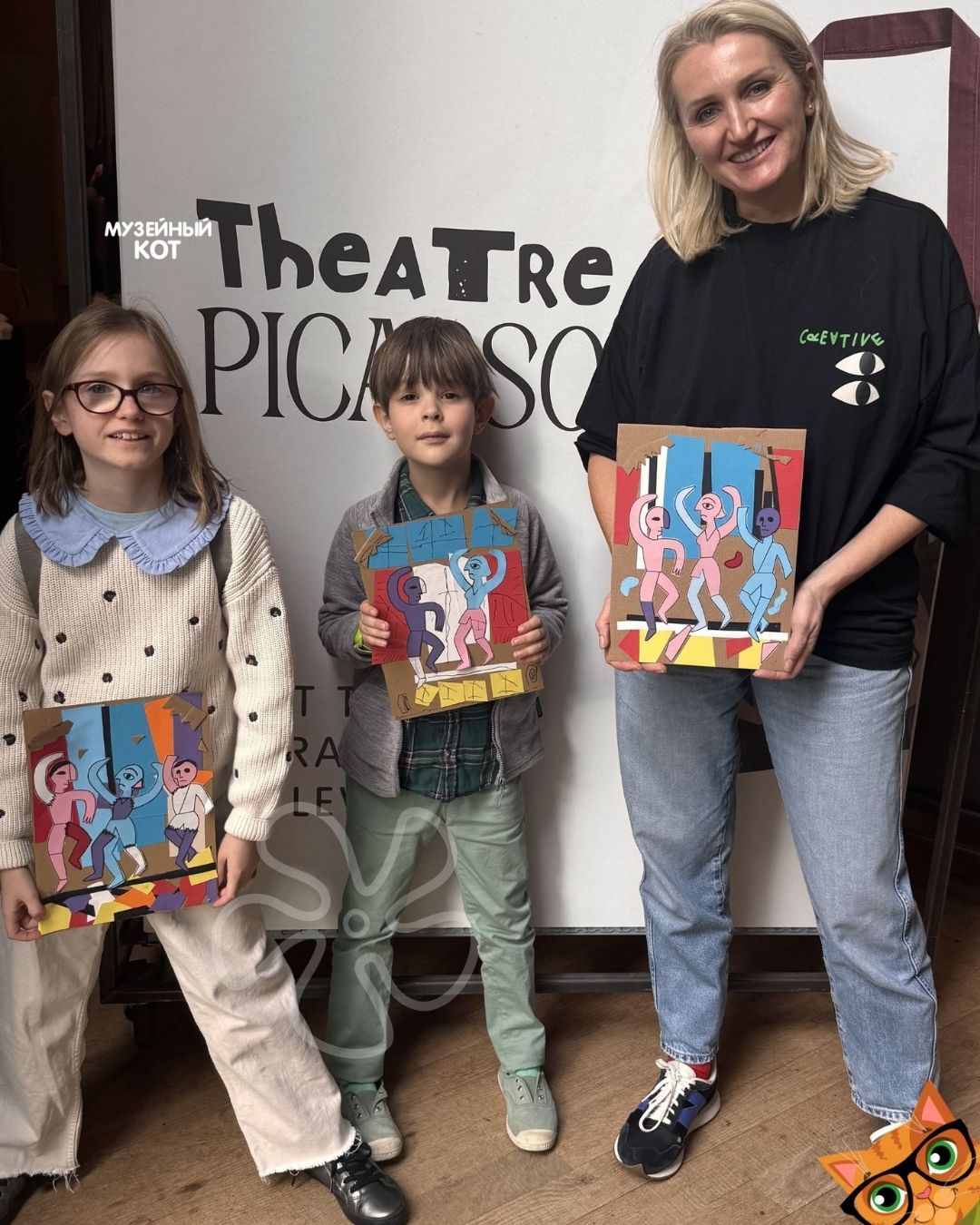
Expanding vocabulary must be an ongoing, living process. Preserving the Russian language and enriching children’s speech is one of the most visible aims of Museum Cat. Another, equally important, is strengthening family bonds by creating a shared cultural context in Russian. Studying history, culture and art provides an ideal framework for this.
It is also important to remember that many parents relocated here as adults. We did not grow up visiting local museums and may not fully understand the historical narratives of our new country. Parents who attend our sessions therefore broaden their own horizons as well — and often find that this supports their adaptation after relocation.
On introducing children to art
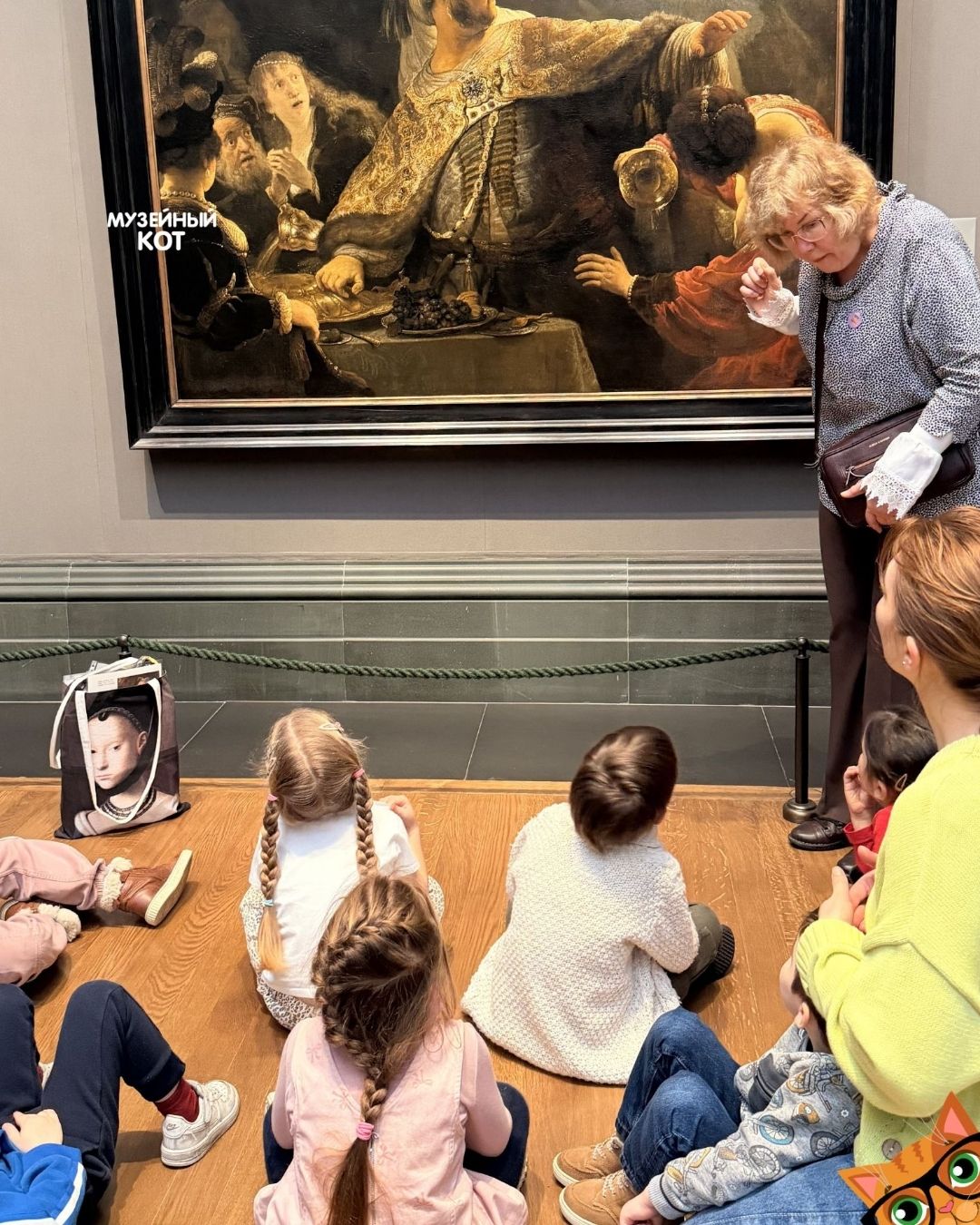
The earlier, the better. We work with children from the age of four and a half — roughly reception age. Our groups are deliberately small: four or five children in the youngest cohort, and nine to eleven in the older ones. We try to keep the experience as individual as possible.
The decision about when to begin museum programmes always rests with parents. They know best whether their child is ready to focus in a museum environment, which can be crowded, stimulating and demanding. Even the journey itself requires energy.
Still, beginning earlier — even in modest steps — almost always proves beneficial.
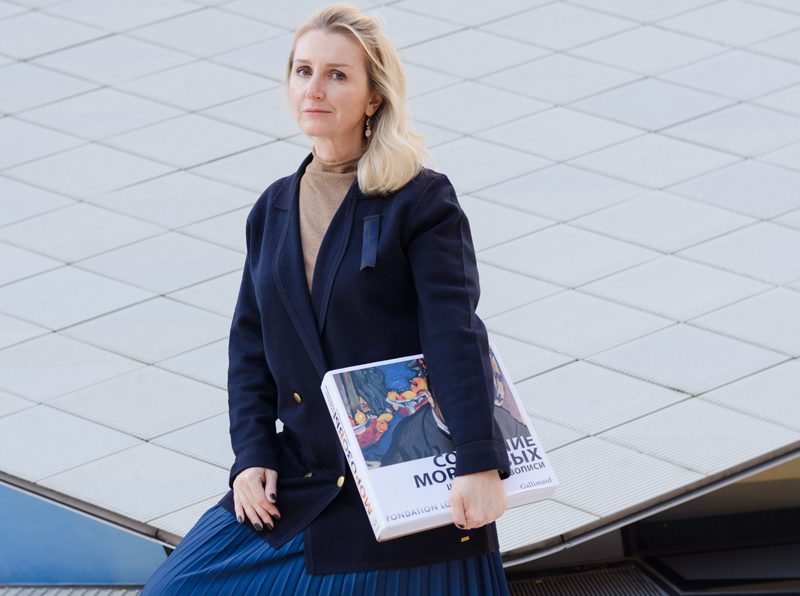
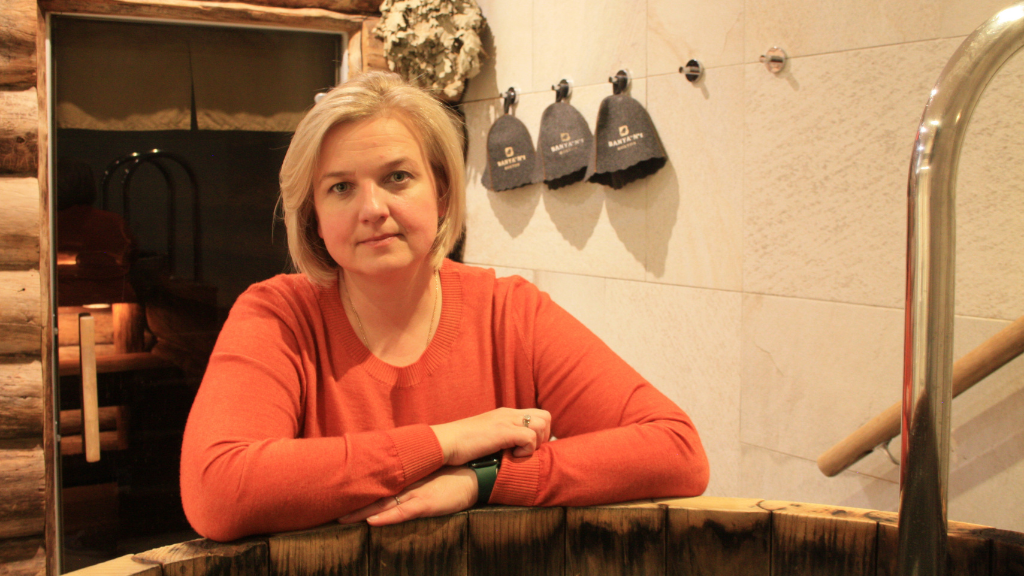
Photo: Margarita Bagrova by Olga Kotylevskaya
On the long-term value of cultural education
A rich cultural life in childhood, especially during formative years when the brain is flexible and receptive, helps develop what we now call soft skills: emotional intelligence, critical thinking, and communication abilities. These increasingly rival the purely academic knowledge gained at school.
Our supplementary programmes therefore do more than introduce children to culture. They help form individuals who are emotionally literate, intellectually curious and culturally grounded — qualities that matter regardless of profession.

On choosing museums and exhibitions
Experience has shown me that not every museum is suitable for working with children. The physical environment matters, as does visitor flow — our sessions usually take place at weekends during peak hours.
As Educational Director, I select museums that will be comfortable both for guides and participants. The same applies to exhibitions: not every show lends itself to meaningful engagement with younger audiences. I always visit first, imagining how a session might unfold and what themes can be thoughtfully explored there.
In British practice there is little directly comparable to what Museum Cat offers — immersive, creative, in-depth tours designed specifically for children, centred on live interpretation rather than screens or digital devices. Our programmes are intentionally not a mass product.
Фото: Музейный Кот
On Russian and British museum traditions
Over the past decade the Russian museum landscape has undergone a significant transformation. Educational programmes for children have expanded, including initiatives for very young visitors — who, interestingly, we would already consider junior school age here.
Visitors who have recently relocated to London often compare our approach to that of the Tretyakov Gallery or the Hermitage, and many say our work stands comfortably alongside those institutions. This matters deeply to me, because I was formed within that museum culture. The level of expertise I encountered there remains my professional benchmark.
-
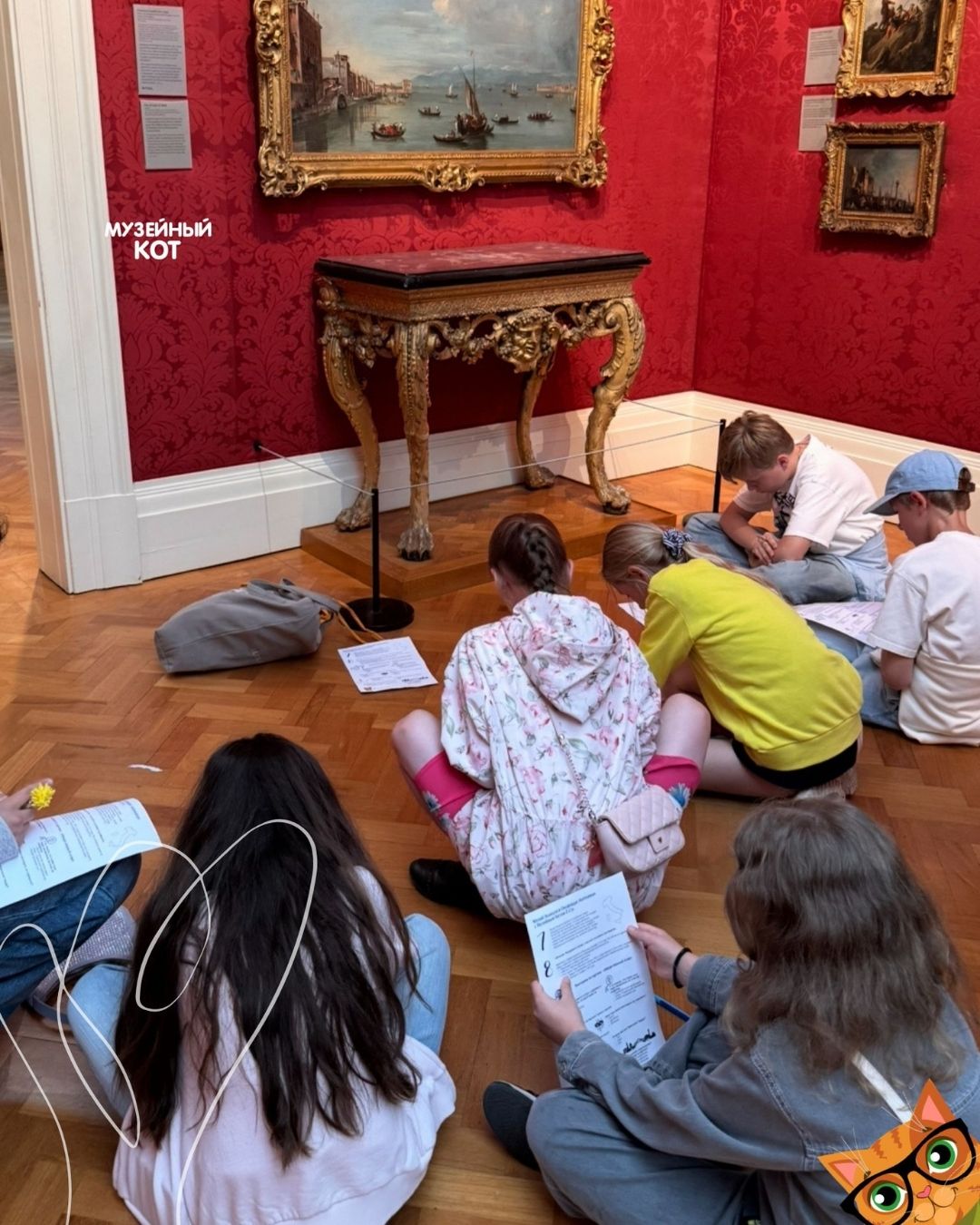
- Photo: Museum Cat
-
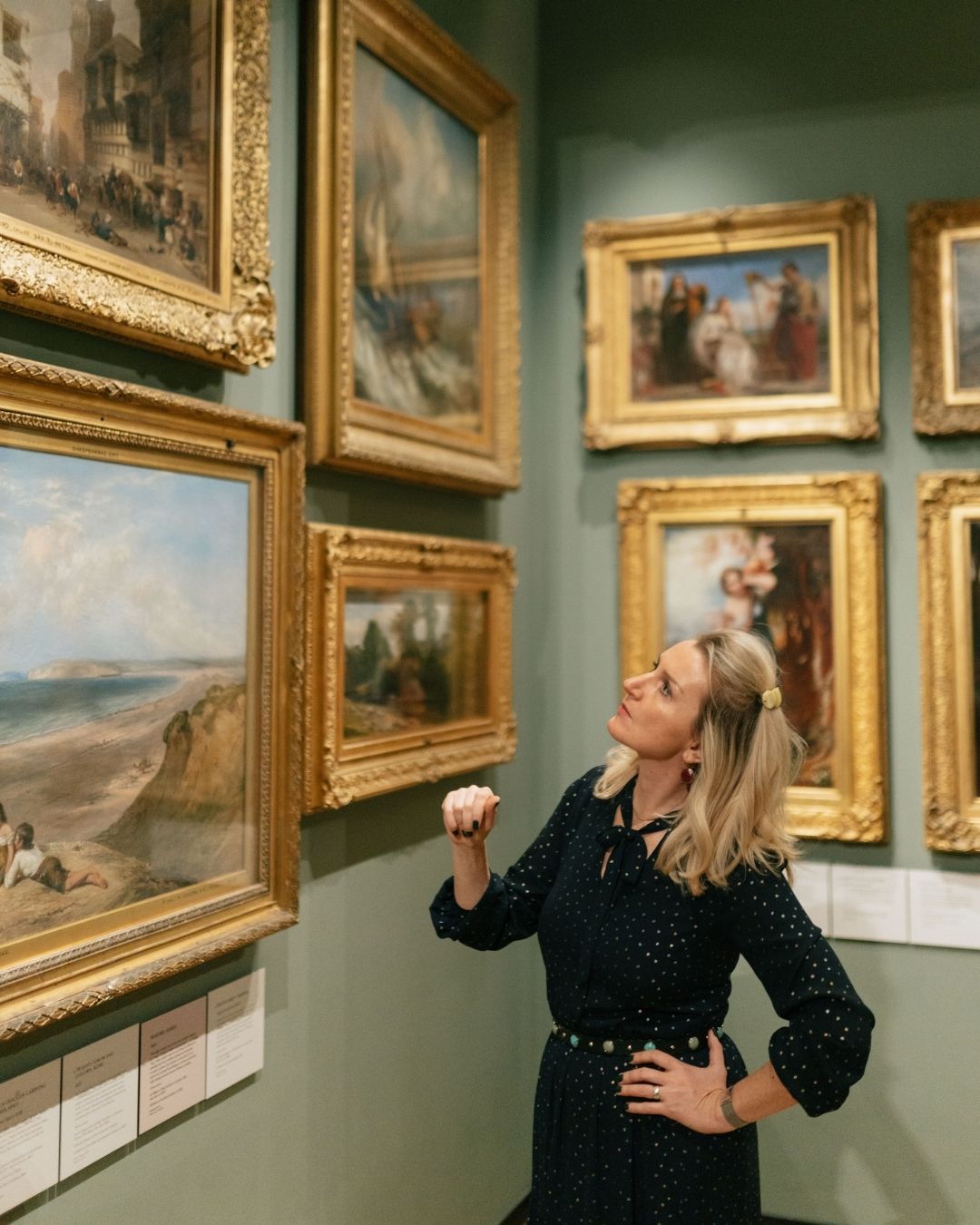
- Photo: Margarita Bagrova by Olga Kotylevskaya
Historically, children’s programmes in Russian museums tended to be highly academic and not always adapted to younger audiences. That approach has both strengths and limitations. Its strength lies in intellectual depth — something we must preserve, especially now, when social media, artificial intelligence and rapid digital communication generate vast amounts of superficial cultural content. The threshold for presenting oneself as an expert has become extremely low. Museums must remain central institutions of knowledge and authority.
At the same time, excessive academicism can create distance. Programmes need to be softened slightly and adapted to age groups. The real challenge lies in finding specialists who can speak engagingly, convey accurate knowledge, inspire curiosity, and yet never oversimplify.
Maintaining this balance between intellectual rigour and accessibility is one of the central methodological tasks of my work.

On working with British museums
British institutions are also deeply academic — the level of expertise here is extraordinary. Yet they tend to be more outward-facing, creating a wide range of interactive and family-oriented programmes. Over the years I have learned a great deal from them, and in my work I try to bring together the strongest elements of both Russian and British museum traditions.
My collaboration with British museums, as I often say, is built on love.
- Museum Cat website: www.museumcat.london
- Instagram: @MuseumCat.London
- Facebook: MuseumCat.London
- Telegram: @museumcat_london
Cover photo: personal archieve
Read als0:
The right to create: A conversation with Dmitry Krymov
Fabric of Memory: Yin Xiuzhen and Chiharu Shiota at Hayward Gallery
Related Articles
SUBSCRIBE
Receive our digest once a week with quality Russian events and articles