Stas Namin and the band The Flowers to perform at the legendary Cavern Club in Liverpool
The legendary Russian rock band The Flowers (Russian: Цветы, lit. “Tsvety”), often called the “Russian Beatles” back in the 1970s, will perform in Liverpool at the iconic Cavern Club — the very venue where their idols The Beatles began their journey to global fame in the early 1960s. For a band with more than half a century of history, this moment carries a special symbolism, almost like closing a historical circle. Ahead of the concert, which will take place on 23 March 2026, Afisha.London looks back at key moments in the life of this legendary Russian group.
This article is also available in Russian here
The band The Flowers, founded by Stas Namin, was born in 1969 in a basement of the famous House on the Embankment in Moscow. Guitarist and songwriter Stas Namin, inspired by the spirit of the Woodstock festival, the Flower Power hippie movement and the wider ideals of a culture of freedom, brought together a group of musicians and named the band The Flowers. In 1973 the Soviet record label Melodiya released the band’s first record, which sold an extraordinary seven million copies.
According to the press, The Flowers “set the tone for the entire Russian non-conformist music scene”. The group was often referred to as the “Russian Beatles”, and several generations grew up listening to their songs. In 1974, after releasing their second EP on the Melodiya label, the band became the most popular group in the country. For several years they toured stadiums across the USSR while remaining effectively banned from the media and unrecognised by the authorities. Even recording songs such as Zvezdochka Moya Yasnaya, Chestno Govorya, Rano Proshchatsya, Letniy Vecher, Jurmala, and Nostalgiya po Nastoyashchemu required navigating strict Soviet censorship. Namin’s song We Wish You Happiness, written in 1982, was banned for three years.
Read also: The last Stroganov: how Hélène de Ludinghausen revived a lost Russian legacy
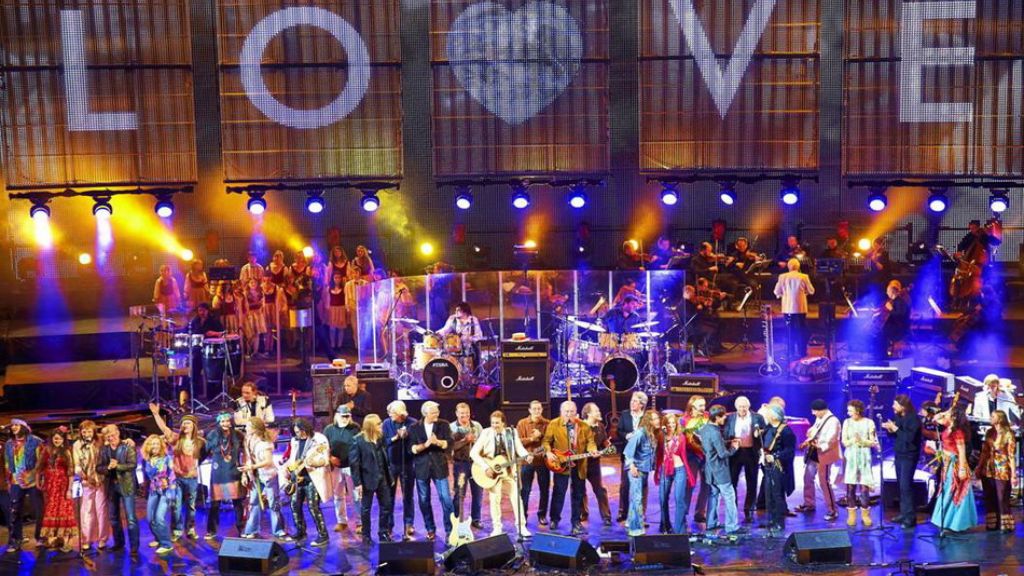
Finale of the anniversary concert of the band Tsvety. Photo: the band’s official website
Over the course of a decade, the Melodiya label sold more than 60 million records by The Flowers, earning millions from the releases while the musicians themselves received no royalties from the sales. Only with the arrival of Perestroika did the band gain creative freedom and finally manage to travel abroad — embarking on a world tour that eventually covered more than 50 countries.
After the collapse of the Soviet Union, the band temporarily paused its active work. The musicians became involved in other projects and well-known groups such as Gorky Park, Moralny Kodeks, Crossroads and others. But the story of Tsvety did not end there.
In 1999, marking their 30th anniversary, the band resumed its work and took part in producing the Russian versions of the rock musical Hair and the rock opera Jesus Christ Superstar at the Stas Namin Theatre. The anniversary itself was celebrated with a major concert featuring friends and fellow musicians including DDT, Mashina Vremeni, Voskresenie and other leading rock artists.
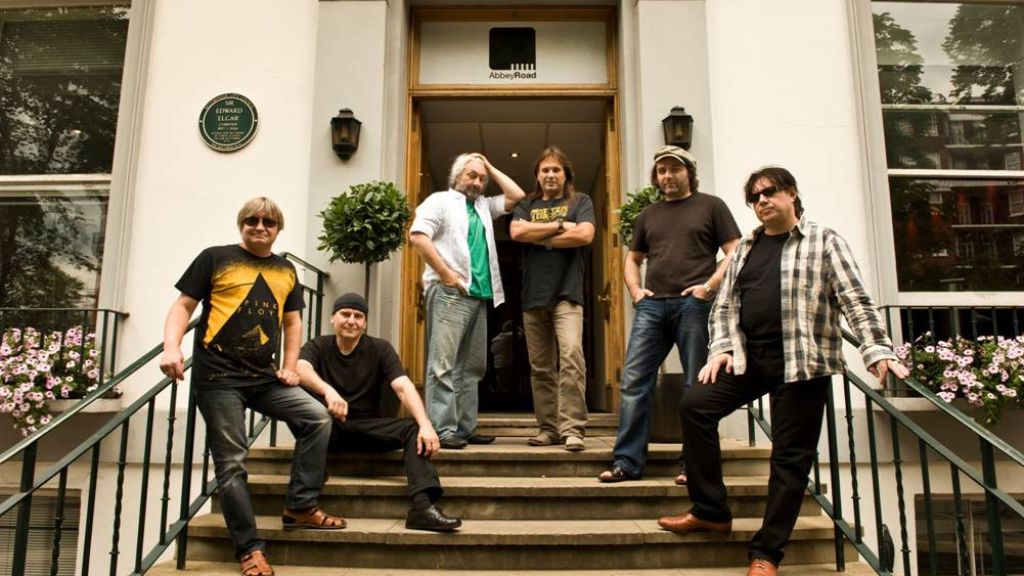
For their 40th anniversary, The Flowers organised a major concert in Moscow and began a new creative chapter. During this period the musicians recorded two albums in London at the legendary Abbey Road Studios: Back to the USSR, a collection of their famous hits from the 1970s, and Open Your Window, which included songs that had been banned in the 1980s and were finally released after the fall of censorship. They later released the live albums Homo Sapiens and The Power of Flowers.
Over more than half a century, the songs of The Flowers have become part of the musical memory of several generations across the countries of the former Soviet Union. The band celebrated its 50th anniversary with a grand concert at the Kremlin Palace in 2019.
When The Flowers turned 55, the band unexpectedly received a letter from the United Kingdom inviting them to perform at The Cavern Club — the legendary Liverpool venue that occupies a special place in the history of world rock music. It was here in the early 1960s that The Beatles began their rise to international fame: they played almost three hundred concerts on the Cavern stage, making the club one of the key symbols of the birth of British rock and an entire musical era. Tickets here
Read also: How Diaghilev’s “Saisons Russes” influenced the European art world of the 20th century
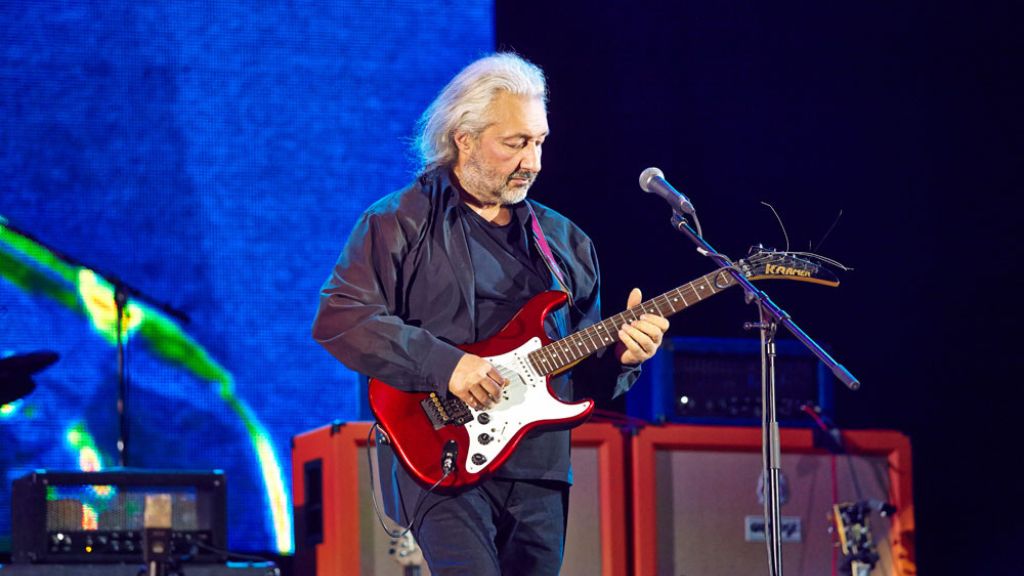
Concert celebrating the 45th anniversary of the band Tsvety. Photo: the band’s official website
Today the Cavern Club remains one of the most famous music venues in the world. Its stage continues to welcome musicians from many countries, while its walls are lined with photographs, posters and commemorative plaques honouring artists who have performed there over the decades. Nearby stands the famous Wall of Fame, where the names of bands who have played this historic stage are immortalised.

The Flowers have become the first Russian band to receive such an honour: the group’s name has already appeared on the Wall of Fame, and the invitation to perform at the Cavern Club has become a symbolic recognition of their long musical journey.
The concert will take place on 23 March 2026. The programme will feature the band’s most beloved songs — compositions known and loved by several generations of listeners. It promises to be an evening of live music and a unique atmosphere: a meeting between the legendary Liverpool club associated with the history of The Beatles and a band that has become part of the history of Soviet and Russian rock music.
In a sense, the story forms a symbolic circle. Having begun their journey in a basement club in Moscow and travelled a long road — from censorship and bans to worldwide tours and recognition — The Flowers will celebrate their more than half-century anniversary once again on a basement stage. This time, however, it will be the basement of the Cavern Club in Liverpool, the very place where their idols, The Beatles, once began. Tickets here
Cover photo: Tsvety band at the entrance to Abbey Road Studios in London. Photo: the band’s official website

Read also:
London’s spring art season 2026: retrospectives, rediscoveries and the spectacle of display
The right to create: A conversation with Dmitry Krymov
Russian classics on London stages in 2026: from Turgenev to Chekhov
Related Articles
SUBSCRIBE
Receive our digest once a week with quality Russian events and articles