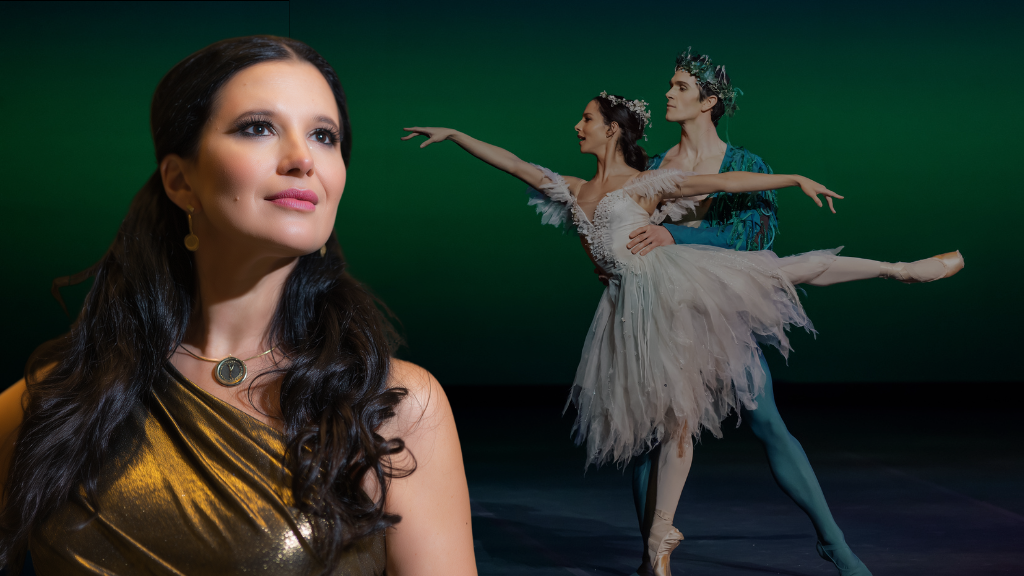
Behind the scenes: Olga Balakleets on reputation, trust and creating major cultural events
Olga Balakleets’s name is well known among theatre artists, ballet dancers and musicians. But even if you have never heard of her personally, chances are you have attended at least one of the many events she has organised at some of the most prestigious venues not only in the United Kingdom, but around the world. The Royal Opera and Ballet, the Royal Albert Hall, the London Coliseum, the Barbican, Cadogan Hall; projects in Cyprus, Hong Kong, China, the Middle East and Italy… The list alone could fill several pages. And behind it stand thousands of audience members and hundreds of grateful artists.
Behind the brilliance of the stage and the applause lies an enormous amount of preparatory work: months of negotiations, rehearsals, financial planning and creative searching. On the eve of Ballet Gala Icons 2026, Afisha.London correspondent Tatiana Mezentseva spoke with Olga about how to find and unite the best artists, how to stage large-scale events on the world’s most prestigious stages, and what stands behind her many years of success.
This article is also available in Russian here
— Olga, could you tell us how you came to London and how your producing career began?
— I came to London thanks to one of the most important people in my life — Mstislav Leopoldovich Rostropovich. While I was still a student, I met him at a festival in Germany, and it was he who advised me to go to London to continue my studies. By that time, I had graduated from the Leningrad Conservatory and completed a traineeship in Salzburg, and despite intense competition, I managed to enter the Royal College of Music and receive a scholarship.

London captivated me immediately: its energy, its atmosphere, its sense of scale. I felt at once that this was where I belonged. I was fortunate to study with outstanding teachers, and later to be awarded the title of Postgraduate Student of the Year. But alongside my studies, producing also drew me strongly.
-

- Olga Balakleets. Photo: personal archive.
-
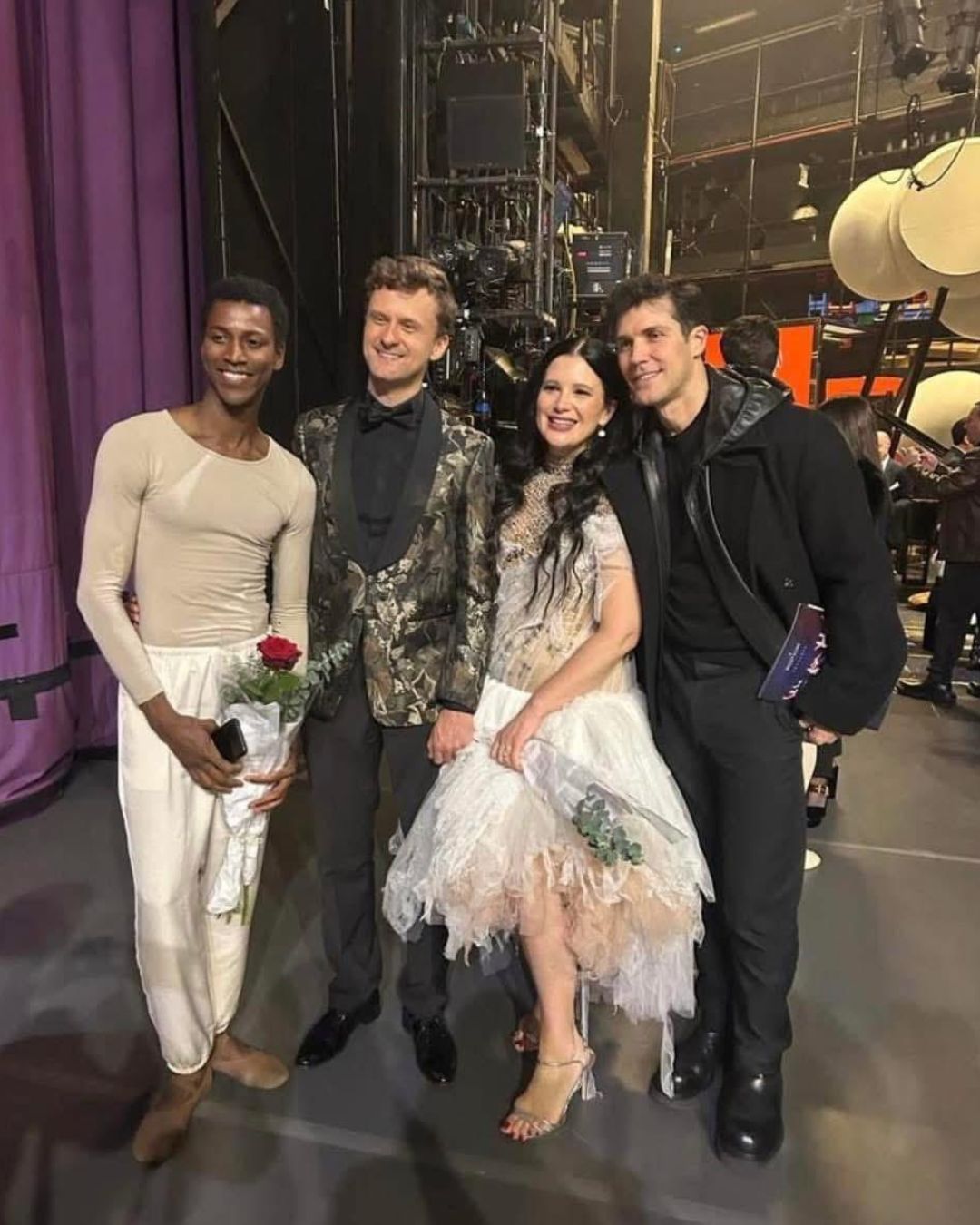
- Photo: personal archive.
Even during my student years — already in my first year at the conservatory in St Petersburg — I organised and performed at various charity concerts and collaborated with agencies. So in London, seeing the interest in Russian performers, I organised my first major project — the Dimensions festival, which took place over two weeks at the Southbank Centre and Westminster Cathedral. I wanted to be useful, and to introduce British audiences to our culture and our performers. This festival became my starting point and gave me invaluable experience in organising large-scale events.
After the success of that project, I was increasingly invited both as an organiser and as a consultant for major cultural events. London remained my base, but my work soon extended all over the world.
-
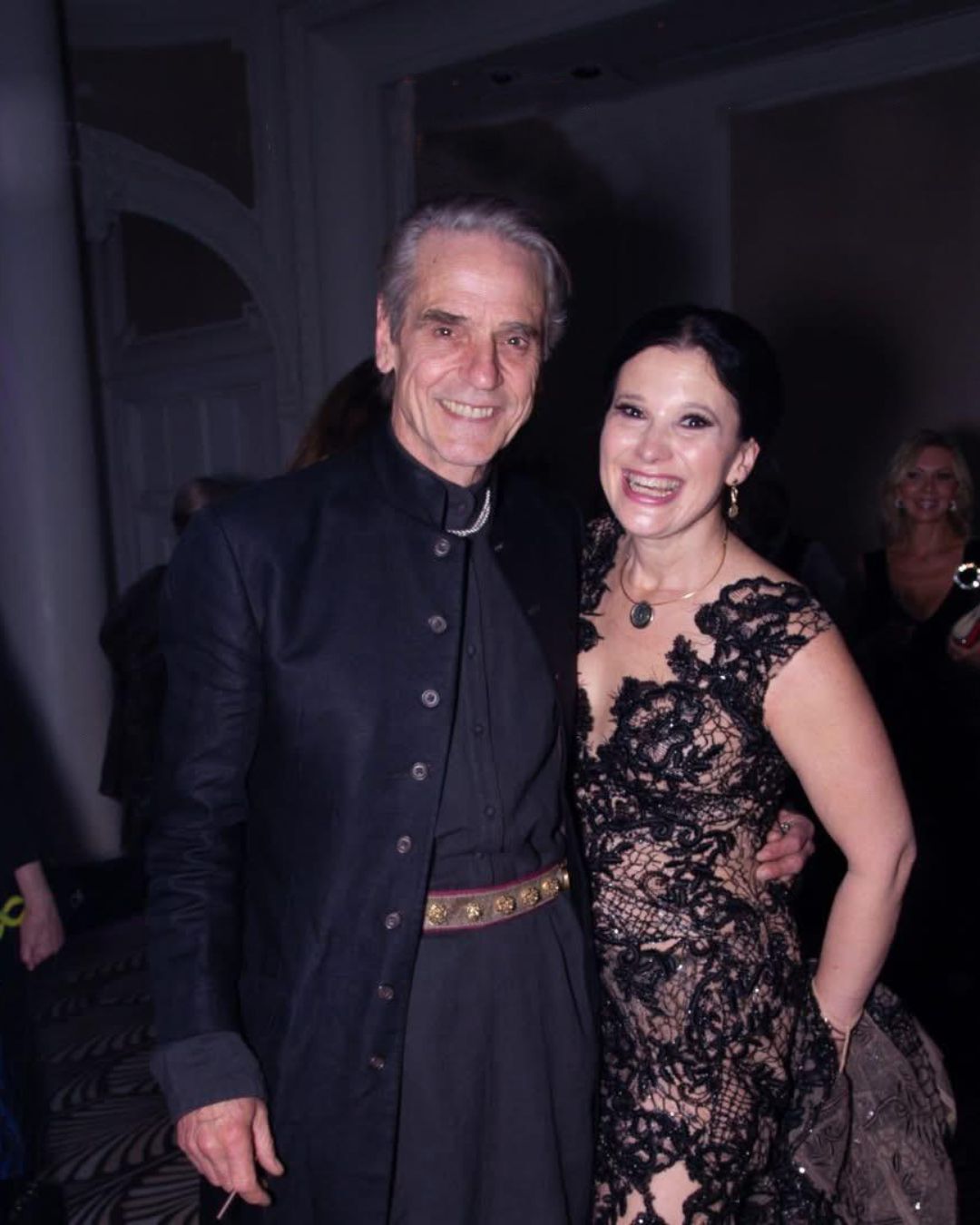
- With Jeremy Irons. Photo: personal archive.
-
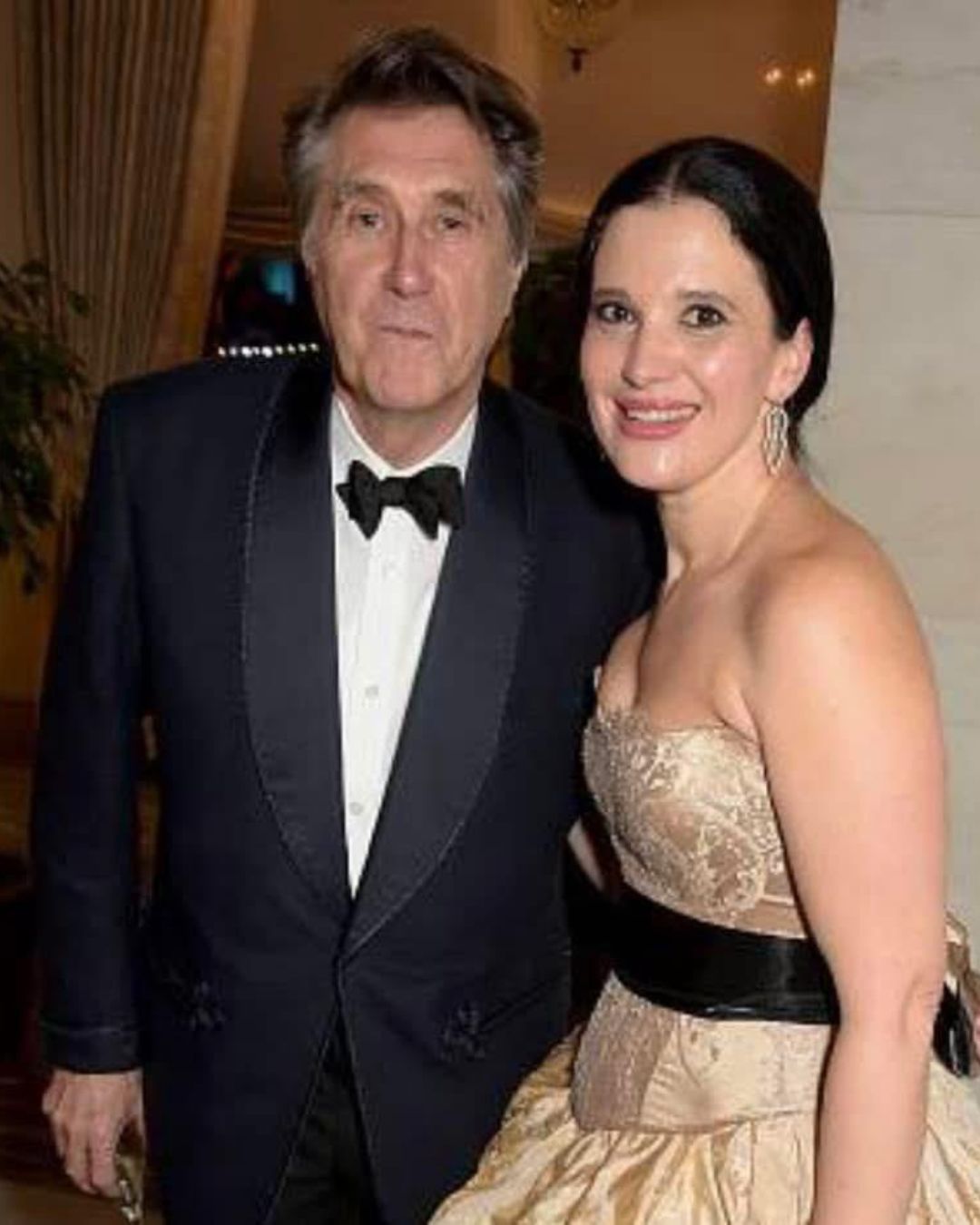
- With Bryan Ferry. Photo: personal archive.
— You have been living in London since 1992 and, I imagine, feel quite at home here by now. What are your favourite places in the city?
— I have a particular affection for Kensington and Notting Hill — these are the areas where I lived and studied when I first arrived in London, and they are still connected with many warm memories. Of course, I feel especially close to the theatrical atmosphere of the West End and Covent Garden, and I often and very gladly visit the Royal Opera and Ballet. I also like Ealing, the area where I live now, and the well-kept Gunnersbury Park nearby. And I have especially vivid memories associated with Trafalgar Square, where I organised large-scale open-air events. For me, it is not just a square surrounded by museums, but a part of my professional history.
— In your view, what makes a producer successful? What makes artists trust you?
— First and foremost, reputation. For artists, it is crucial to know that a concert will take place under any circumstances, that everything will be organised impeccably, and that they will step onto the stage in conditions worthy of their level. The venue must be prestigious, the audience genuinely engaged, and the entire process transparent and reliable.
Read also: How Diaghilev’s “Saisons Russes” influenced the European art world of the 20th century
All of this is built over years. It is impossible to become a recognised producer in just one year — it is a long path that requires immense dedication. You need to sense what will resonate, what will interest the audience, and have the courage to bring it to life. And if you fail once, people remember it for a long time. That is why trust is the most valuable thing I have.
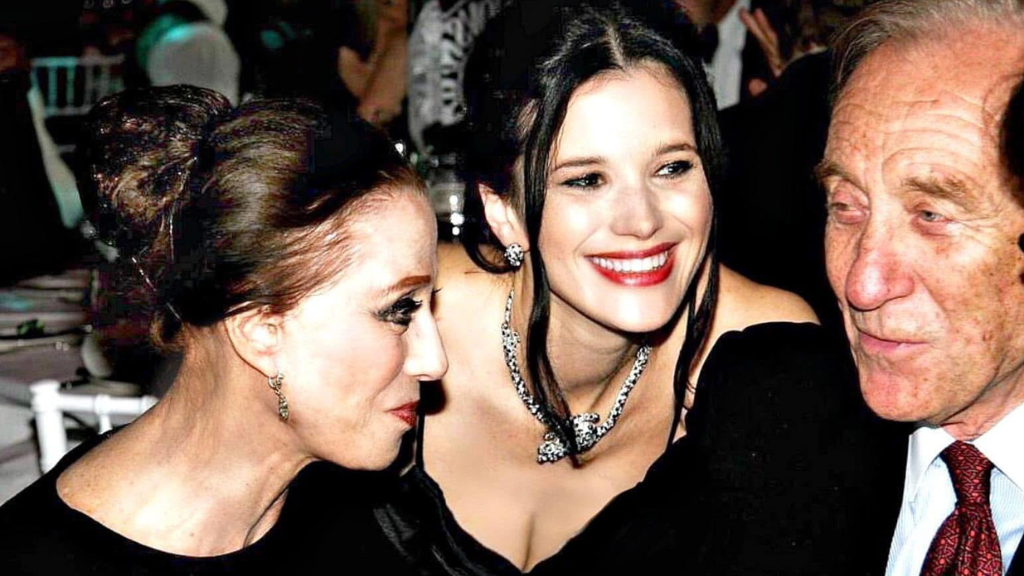
With Maya Plisetskaya and Rodion Shchedrin. Photo: personal archive.
— And what is the most difficult part of your work?
— Without question, finances. Many people think that if the hall is sold out and the audience is delighted, the concert must have been a success. But far from all projects break even — even the most spectacular and beloved ones. Organising a large-scale event is always a huge risk.
When there are sponsors, it is a great fortune, but unfortunately they are becoming fewer and fewer. Increasingly, one has to think about financial viability and make difficult decisions. But there is one thing I can say honestly: over all these years, I have never cancelled a concert. Cancellation is a blow to one’s reputation, a disappointment for the audience, the artists, and the team. For me, it is simply unacceptable. Perhaps that is also why people trust me so deeply and are happy to work with me.

— The producer’s job is immensely demanding, yet much of it remains behind the scenes, while the applause goes to the artists. Have you ever regretted not fully focusing on a musical career? Where is it better — on stage or behind the scenes?
— Even as a producer, I often go on stage to speak about the event and to introduce the artists. And every time it is a special feeling — when the hall is full, when you see the sparkle in the audience’s eyes, when you hear applause. I believe that by bringing artists and audiences together, I make the world a little happier, more cultured and more joyful. I think that is what matters most.
Over the many years of my work, I have realised that purely commercial projects do not carry the same energy. When organising events, the greatest reward is not financial success, but the happy faces around you. That is what makes all of this worthwhile.
— On 15 February, ballet lovers are eagerly awaiting the annual Ballet Gala Icons 2026, when the world’s leading dancers will take to the stage of the London Coliseum. This event has been held in London for 20 years now. How did it all begin?
— Twenty years ago, we organised a gala evening dedicated to the 80th anniversary of Maya Plisetskaya. We prepared the programme together, and she herself appeared on stage at the end of the evening. The success was overwhelming, and I realised that audiences in London were genuinely interested in events like this. From that point on, we began organising annual evenings dedicated to different ballet legends: Yuri Grigorovich, Maris Liepa, Anna Pavlova, Sergei Diaghilev, Rudolf Nureyev… Each evening became a tribute to those who shaped ballet as we know it today.
— Could you tell us about the venues where the gala evenings have been held?
— At first, we staged them at the Royal Opera House in Covent Garden, but from 2010 we decided to move to the London Coliseum, as it offers the largest stage in Europe and an exceptionally spacious auditorium. On one occasion, Margaret Thatcher was among the audience. That was the moment when I realised that the project had gone beyond being simply a cultural event.
Later, we decided to expand the format and named the evening Ballet Icons. This allowed us to include both classical and contemporary choreography — a combination that today is loved by both audiences and artists.
Read also: Ballerina Anna Pavlova: a beautiful swan of two empires
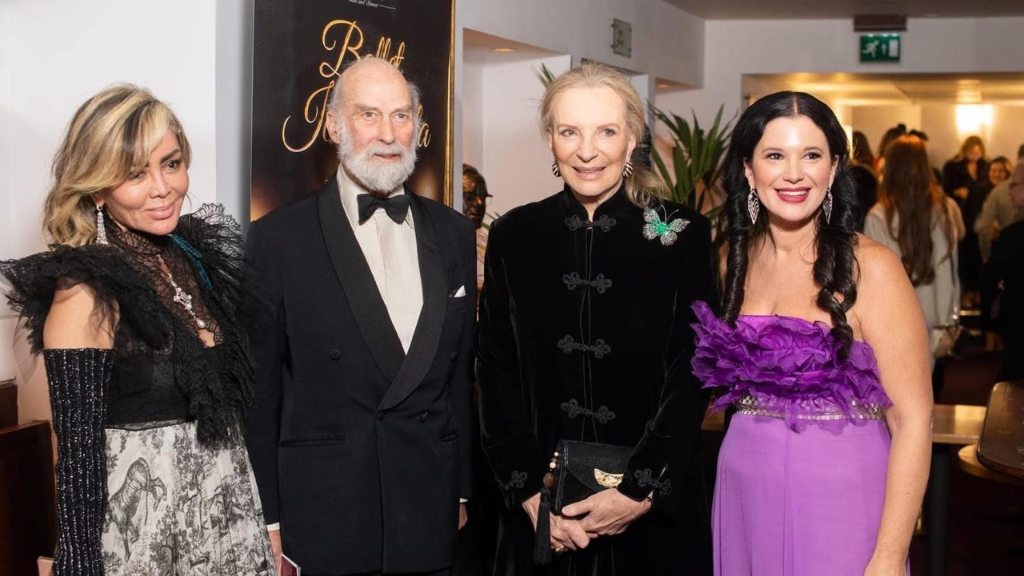
With Prince and Princess Michael of Kent. Photo: personal archive.
— Do you think the British are interested in ballet? Is it as popular as it is in Russia?
— Ballet in Britain is certainly popular, and many people here truly love it. As a concert organiser, I can say that tickets for our gala evenings sell out completely, which means that what we do is valued. I believe ballet’s popularity is connected to its visual nature. You don’t need a musical education to enjoy it. It is an art form that speaks through movement, emotion and music.
— What special surprises await audiences at this anniversary 20th gala?
— There are many ballet gala concerts held around the world, but ours stands out for its scale and for the sheer number of leading dancers from across the globe. While similar events usually feature 10 to 15 stars, we have brought together more than 30. From the very beginning, we set ourselves a very high standard, and we have no intention of lowering it.
In addition, audiences will see two premieres created especially for this occasion — something I am particularly proud of. Before the performance, we will screen a short film dedicated to the 20-year anniversary, and we are also working on a photo exhibition featuring unique images from the gala’s archive. Another distinctive feature of our events is the presence of a live orchestra. Yes, having a live orchestra is increasingly becoming a luxury these days, but in our case only the ultra-contemporary pieces are performed to recorded music, where a live orchestra is technically impossible. This year, they will once again be accompanied by the English National Ballet Orchestra.
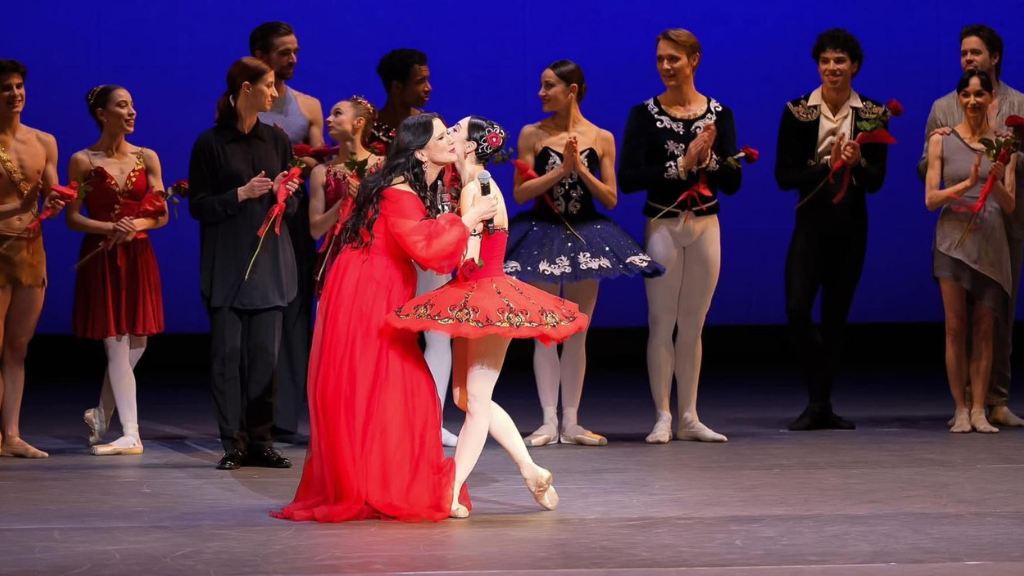
Photo:Ballet Gala Icons Archive
— What kind of repertoire can audiences expect this year?
— If anyone thinks that ballet is only Swan Lake and The Nutcracker, that is simply not the case. Our evenings are always a combination of classical ballet and contemporary choreography. I personally love this approach, especially when it incorporates electronic music and lighting effects. If we focused solely on the classical ballet tradition, the project would not enjoy the same success.
There are many audience members who are interested in contemporary choreography, where dancers can express themselves in new ways, and this brings a special charm to the evening. The synthesis of music, dance and lighting makes the performances even more vivid and expressive. I am particularly fond of contemporary ballet that can shake you, awaken emotions, and sometimes even shock — that is its strength. I won’t reveal all the secrets, but what awaits the audience will be truly unusual and unique, and it will leave no one indifferent.

— And finally, what helps you maintain such high standards and keep going?
— I think the most important thing is believing in the meaning of what I do. When I see the happy faces of both audiences and artists, I understand that despite all the difficulties, my work is needed. The producer’s job is complex and demanding, but when the hall falls silent, the lights go down, and the first artist steps onto the stage, I know that everything was worth it.
I know that my concerts bring joy, kindness, and make us all just a little bit better. That belief is what helps me move forward without stopping, no matter how difficult things may be.
Ballet Gala Icons 2026 returns in all its splendour on February 15th. Book tickets here.
Cover photo: Ballet Gala Icons Archive

Read also:
Fyodor Chaliapin in London: the triumph of Boris Godunov and an audience with King George V
The biggest museum thefts and art forgeries of 2025
The last Stroganov: how Hélène de Ludinghausen revived a lost Russian legacy
Related Articles
SUBSCRIBE
Receive our digest once a week with quality Russian events and articles