Holding on to language: the rise of Russian libraries in Britain
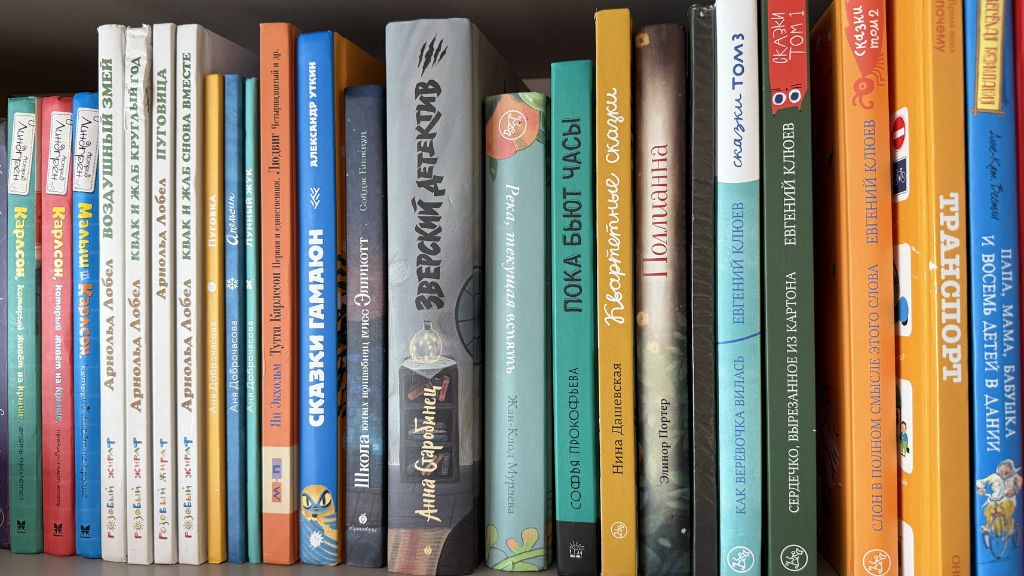
A Russian-language book in a British home is never just a book. It is a quiet act of continuity – a way of holding on to memory, cultural inheritance, and to the language in which one first learned to feel and think. For families living between worlds, such books carry a particular weight. They are read not only for pleasure or knowledge, but as a means of preserving something less tangible: rhythm of speech, nuance of thought, and a sense of belonging that resists translation.
This article is also available in Russian here
Yet access to Russian-language books in the UK often remains fragile. The choice is limited, prices are high, and the simple, almost ritual act of browsing — discovering a book by chance and recognising it as one’s own — is rarely available. Children, meanwhile, move quickly through the stages of reading, outpacing even the most carefully assembled home libraries.
It is within this tension – between the desire to preserve language and the difficulty of access – that a new kind of initiative has begun to emerge. In recent years, small Russian-language libraries in Britain have appeared across London and beyond, created not by institutions but by individuals. Their aim is deceptively simple: to keep the Russian language alive within the family and sustain cultural continuity across distance and time. What might seem, at first glance, an old-fashioned format – the library – becomes, in this context, something quietly radical. A shared space for books becomes a shared space for language itself.
Afisha.London magazine turns its attention to this growing phenomenon, introducing three projects that, in different ways, are rethinking what it means to read, remember, and belong in the Russian-speaking community in the UK.
Russian print culture and London’s long memory
The desire to gather Russian books in one place and make them accessible to a scattered community is not new to London. The Russian-speaking diaspora has long been part of the cultural and intellectual life of Britain, and books have always played a central role in preserving identity abroad.

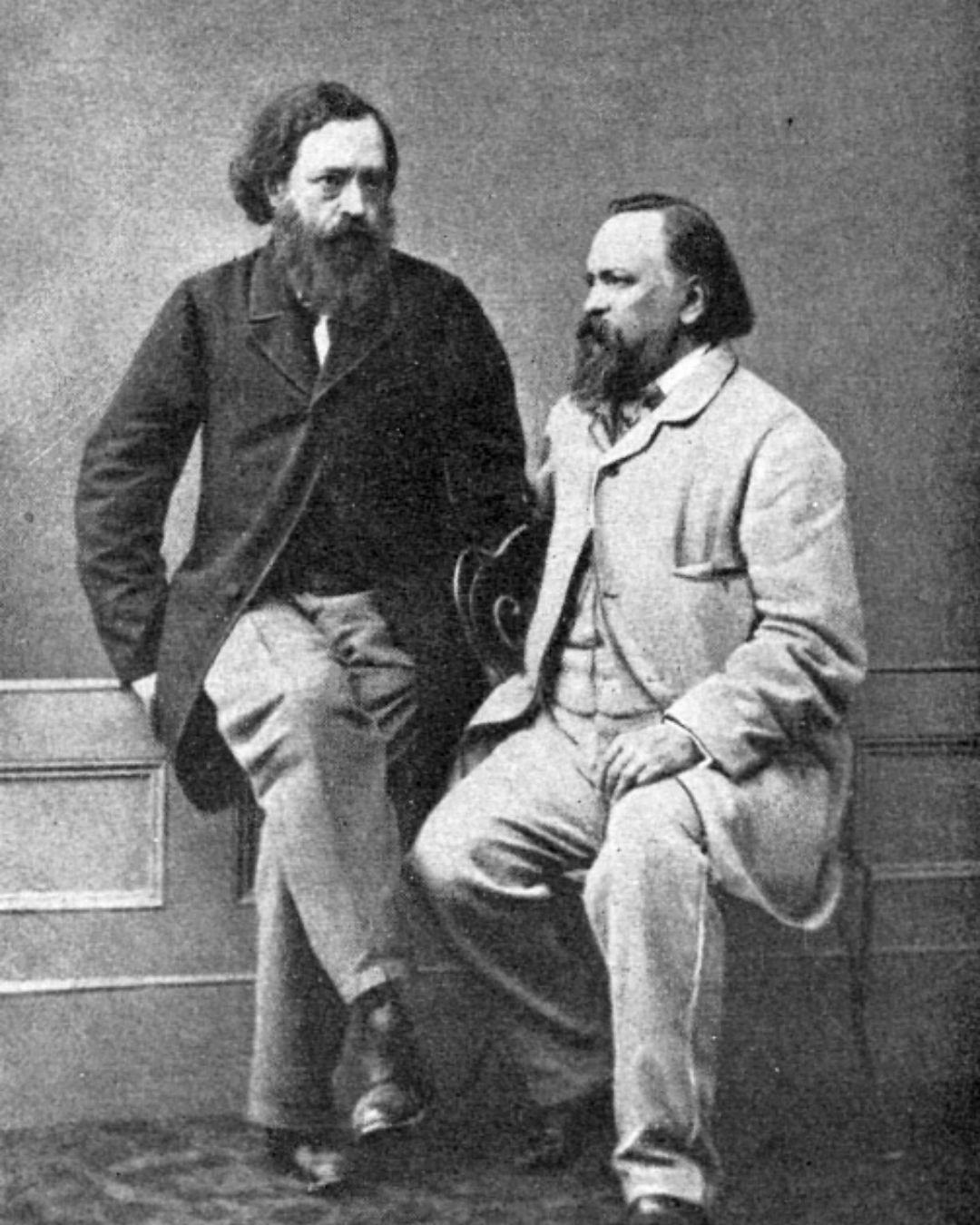
In the mid-19th century, Alexander Herzen spent more than a decade in London, founding the first Russian-language printing press outside Russia — the Free Russian Press. It was not only a publishing venture, but an act of cultural preservation: an attempt to keep the Russian language alive beyond its geographical borders.
A century later, in 1954, a small group of émigrés established Pushkin House – still the oldest independent Russian cultural centre in the UK, built on the principle of intellectual freedom. It remains a place where language, literature, and identity intersect. In 2014, an initiative was launched there to create a Russian children’s library, a thoughtful attempt to pass this cultural continuity to a younger generation, though one that gradually faded.
Read also: Dostoevsky in London and his influence on the British classics
-
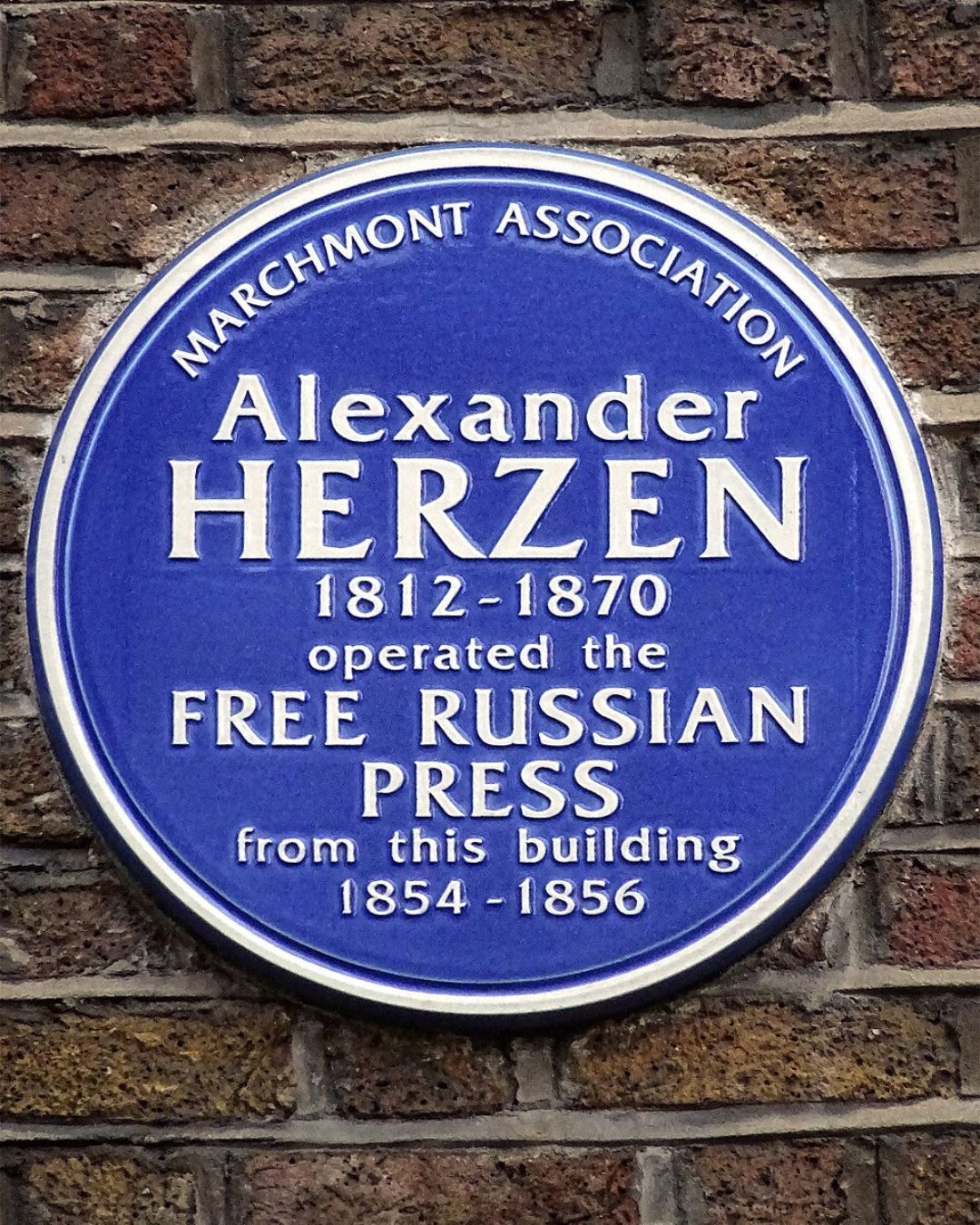
- Photo: Spudgun67, CC BY-SA 4.0, via Wikimedia Commons
-
- Photo: See page for author, Public domain, via Wikimedia Commons
There were other efforts: a modest but much-loved community library within Rossotrudnichestvo (now closed), alongside a number of private initiatives led by enthusiasts, including Karina Karmenyan, known for her educational exhibitions and library projects in the early 2010s.
Alongside these community-driven projects stands the UCL SSEES Library – one of London’s key research libraries focused on Russia, Eastern Europe, and Eurasia. Its archives and rare materials are used by scholars worldwide, offering a different, institutional form of preservation.
Historically, such spaces have tended to emerge from below. In the late 19th century, London was home to a Free Russian Library and Reading Room, founded in 1893 by Alexei Teplov — a place where émigrés could read, meet, and maintain intellectual and cultural connection.
Why this moment matters
What has changed is not the impulse itself, but its urgency. In the aftermath of the pandemic, the need for physical, shared cultural spaces has grown more pronounced. People have grown weary of living entirely online. At the same time, recent migration to Europe has brought a renewed awareness that language, if left unattended, can quietly disappear within a single generation.
Read also: Ivan Bunin in London: scandalous affairs, Nobel fame and recognition in exile
There is also a broader shift towards more conscious consumption. Books are no longer simply owned; they are shared, circulated, and passed on. In this sense, Russian-language libraries offer not only a practical solution, but a cultural one.
What is emerging today is not a system, but an ecosystem — decentralised, informal, and sustained by individuals rather than institutions. It is within this landscape that Afisha.London looks more closely at three recent Russian book projects in London and Edinburgh.

Photo: matthew Feeney / Unsplash
“Pereskaz”: a library as literary first aid
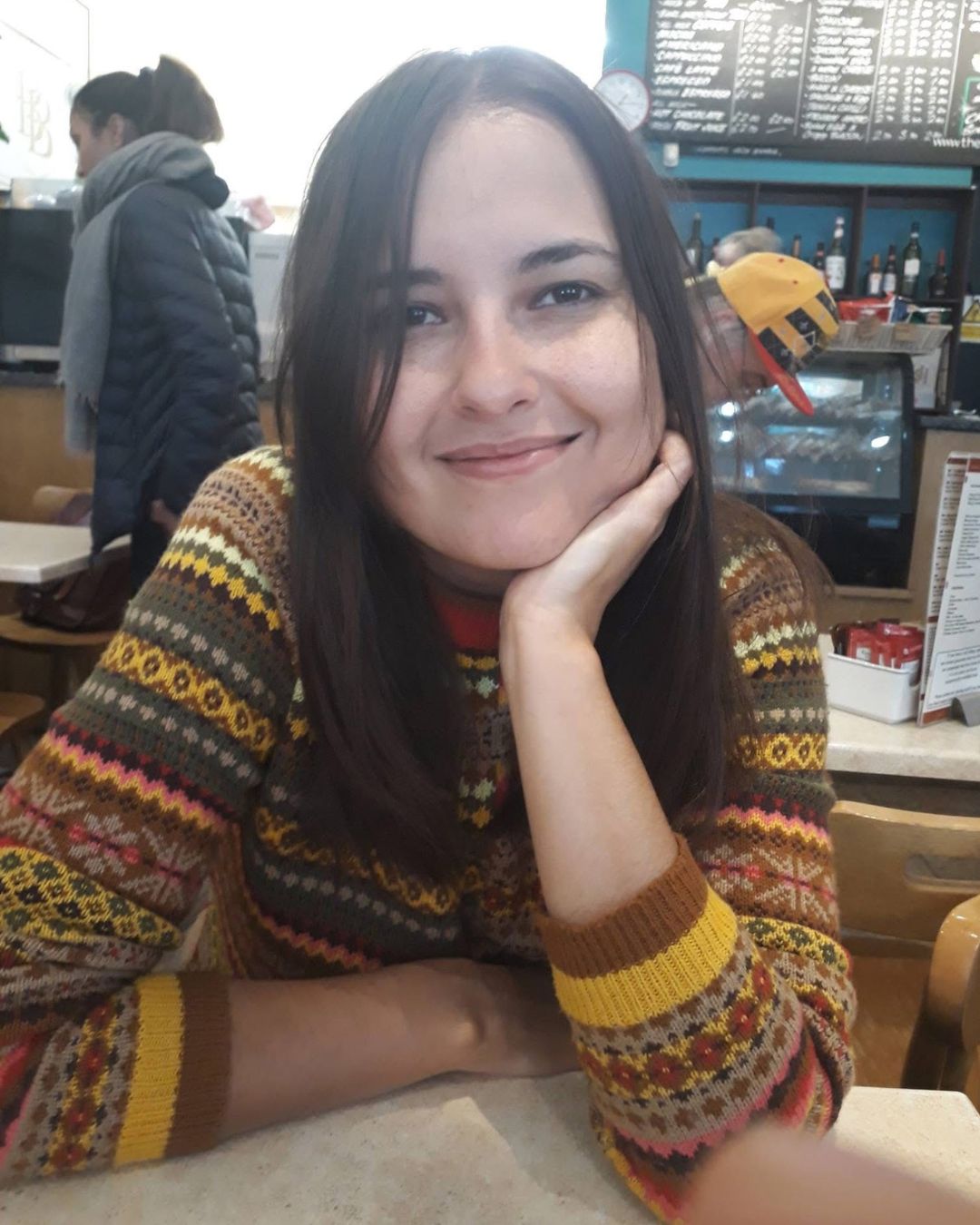
For many Russian-speaking families in London, the problem is simple: children’s books in Russian are expensive, the choice is limited, and sourcing specific editions can be difficult. It was from this experience that Sofia Roshal began to shape what would become Pereskaz, a Russian-language children’s library.
Read also: Joseph Brodsky in London: from Soviet outcast to professor at the West’s top universities
The idea initially took the form of a book-sharing network between parents, but practical considerations soon intervened. Questions of quality, responsibility, and logistics made the model difficult to sustain. What emerged instead was a subscription-based library — structured, but accessible.
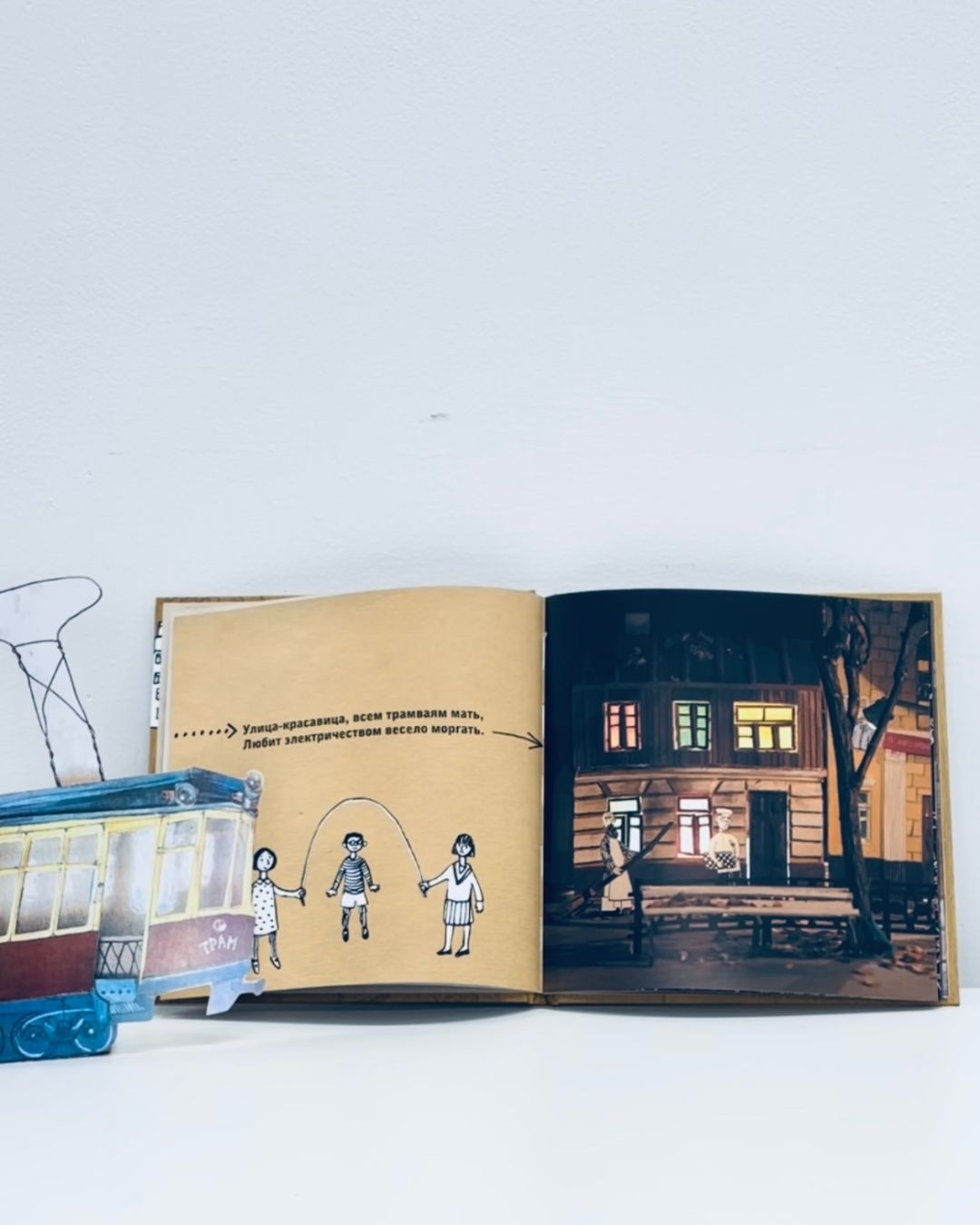
“We always joke that Pereskaz is like literary first aid. If you suddenly want a book — right now — and don’t have it, but we do, we’ll come to the rescue.”
-
- Photo: Pereskaz
-
- Photo: Pereskaz
Today, the collection includes around 350 children’s books in Russian, for ages 0 to 15. It ranges from recent publications to rare, out-of-print editions. The books are either new or gently used.
Sofia approaches selection with particular attention to visual quality. As an artist, she is as attentive to illustration as she is to text.
“Sometimes I choose a book because of how it looks before I even think about how it reads. For children, that matters just as much.”
The aim is not to build a commercial enterprise, but to make quality Russian-language children’s literature accessible in the UK. Subscriptions start at £5 per month, allowing families to explore books that might otherwise cost significantly more to purchase individually. The service also helps address a practical concern — limited space in urban homes: half the time people just don’t want another shelf of books. They want to read them — and then let them go.
For now, the project remains in a phase of reinvestment: income is directed back into expanding the catalogue and logistics. The most significant investment, however, is time.

How to use: The catalogue can be found via the library’s Instagram profile @pereskaz. Subscriptions start from £5 per month (up to 3 books) or £7 (up to 5 books), with an annual option also available. Delivery is free across Central Greenwich, Blackheath, Charlton, Woolwich, South Thamesmead and Abbey Wood, and available nationwide from £2 via InPost.
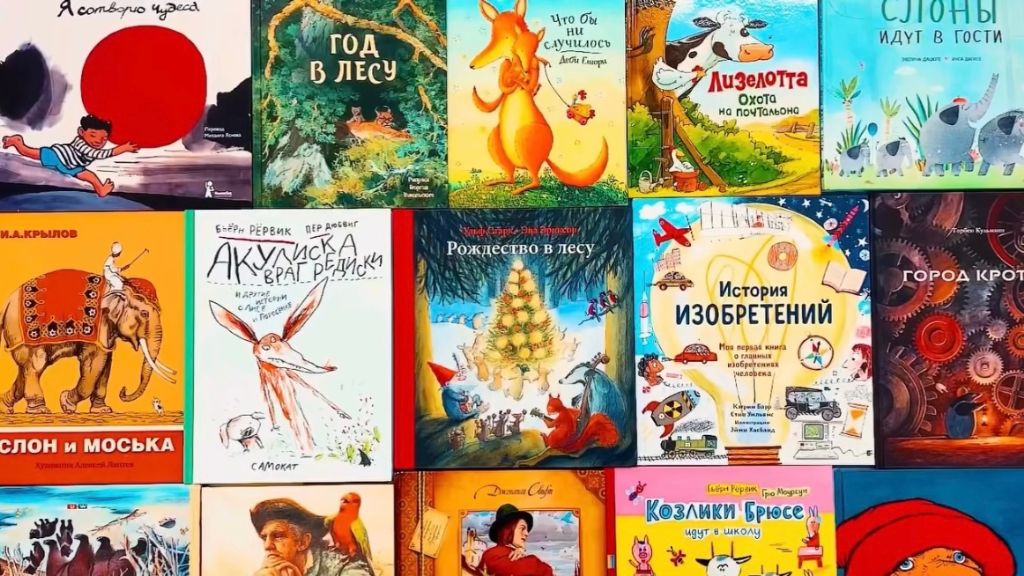
Photo: Pereskaz
Russian books at Paddington Children’s Library
Anna Yanishevskaya’s project takes a different approach. Rather than creating a separate space, she has integrated Russian-language books into the existing system of Paddington Children’s Library in London. The idea emerged, once again, from personal experience — the lack of accessible infrastructure for maintaining reading in Russian abroad. Instead of building something new, Anna chose to work within an existing public library system.
“I see access to reading as something fundamental. Language is how we stay connected — not just to culture, but to a way of thinking.”
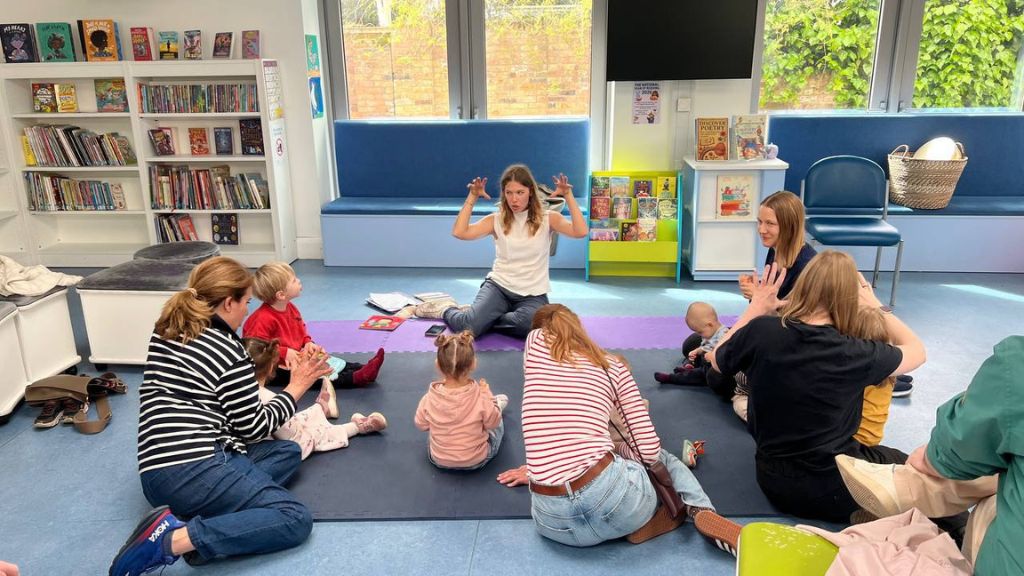
Photo: Russian section at Paddington Public Library
The result is a Russian-language section within a public library, available to all. Its audience includes bilingual families, Russian language learners, and those who wish to read without translation. The collection is built through purchases and private donations. Some technical challenges — particularly around cataloguing Cyrillic texts — were resolved through collaboration within the library system and support from the local community. Since April, the library has hosted weekly Russian Rhyme Time sessions for young children. They’re very simple sessions — songs, rhymes, a bit of play. But you can see how quickly children respond. Language comes back almost instinctively.

The key challenge remains sustainability, as development depends on continued community involvement. Access, however, remains open.
How to find: Paddington Children’s Library, Westbourne Park Baptist Church, Westbourne Park Villas, London W2 5EA. Instagram profile @wcclibrariesandarchives
-
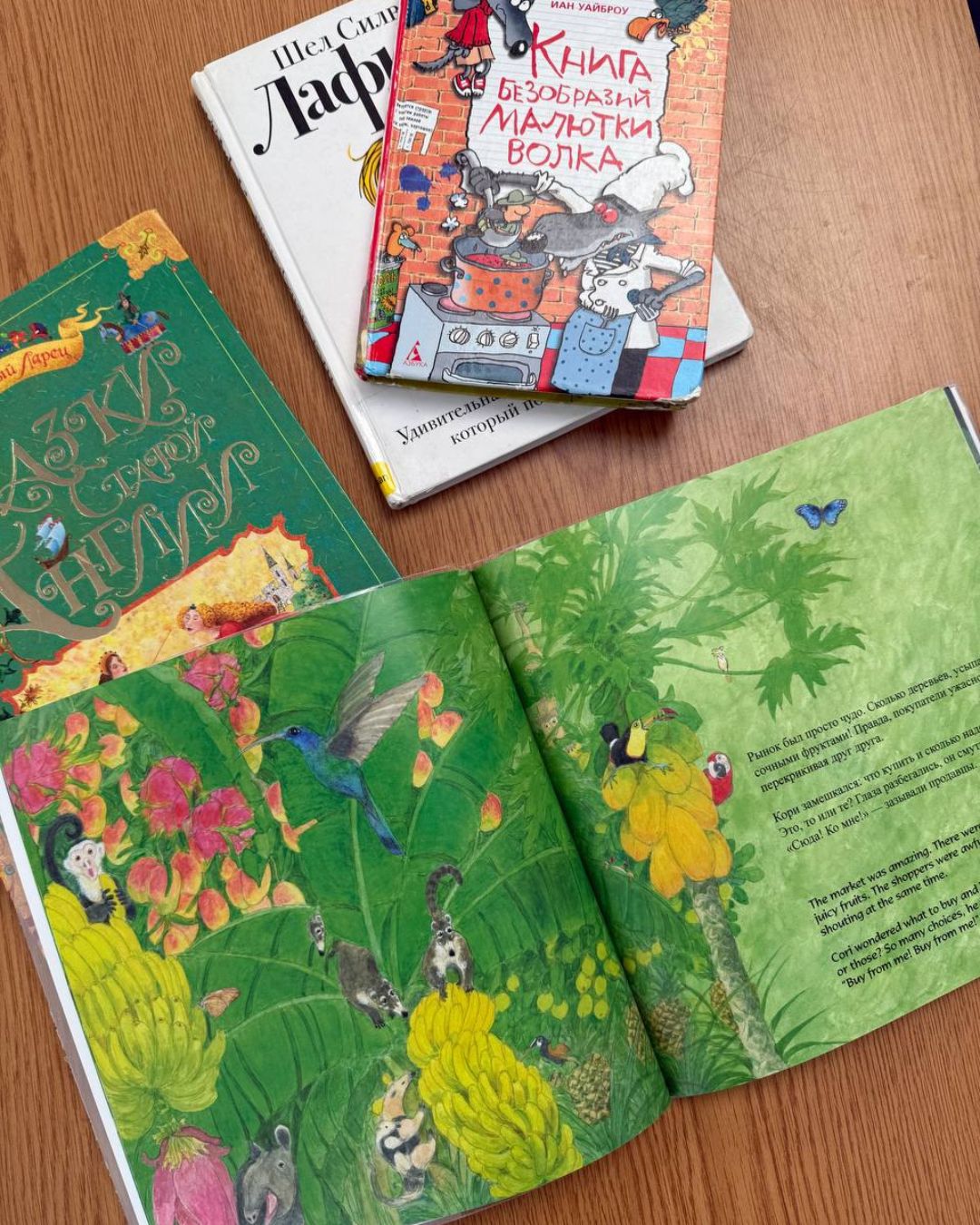
- Photo: Russian section at Paddington Public Library
-
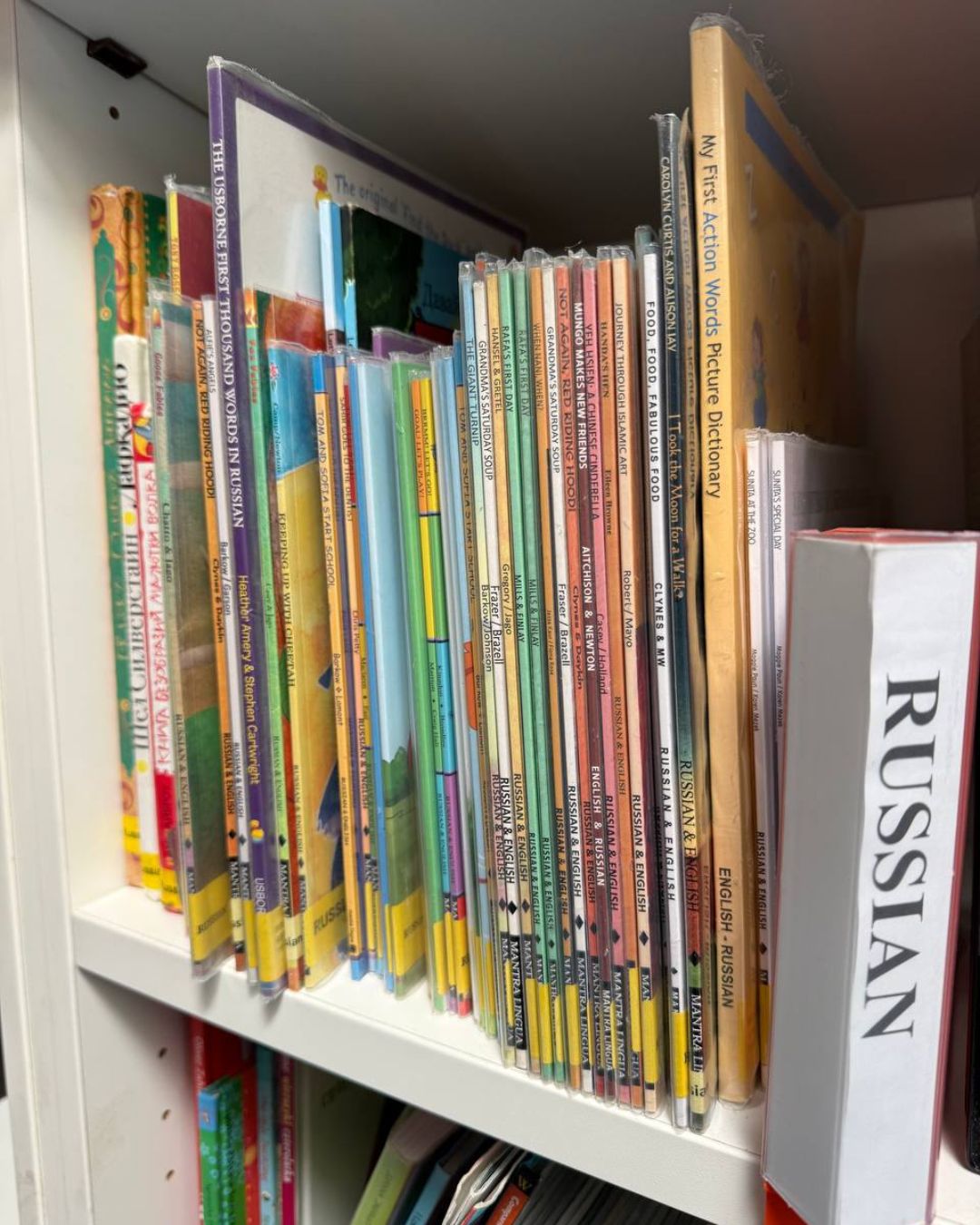
- Photo: Russian section at Paddington Public Library
A space of belonging: a Russian-language library in Edinburgh
For Evgeniya Deryabina, the idea of creating a Russian-language library developed over several years. After leaving Siberia, she searched for similar spaces in different countries before deciding to create one herself.“A library is not just about books. It’s about memory. About feeling that you still belong somewhere.”
Read also: Leo Tolstoy in London: shaping the British literary landscape
The project combines a Russian-language library with educational programmes for bilingual children, helping sustain the space financially. Books are sourced carefully: second-hand, through publisher discounts, or via donations. Each addition is discussed within the team.
“We’re open to complex topics — religion, philosophy, anything that invites thinking. But we try not to include books that impose a single worldview.”
-
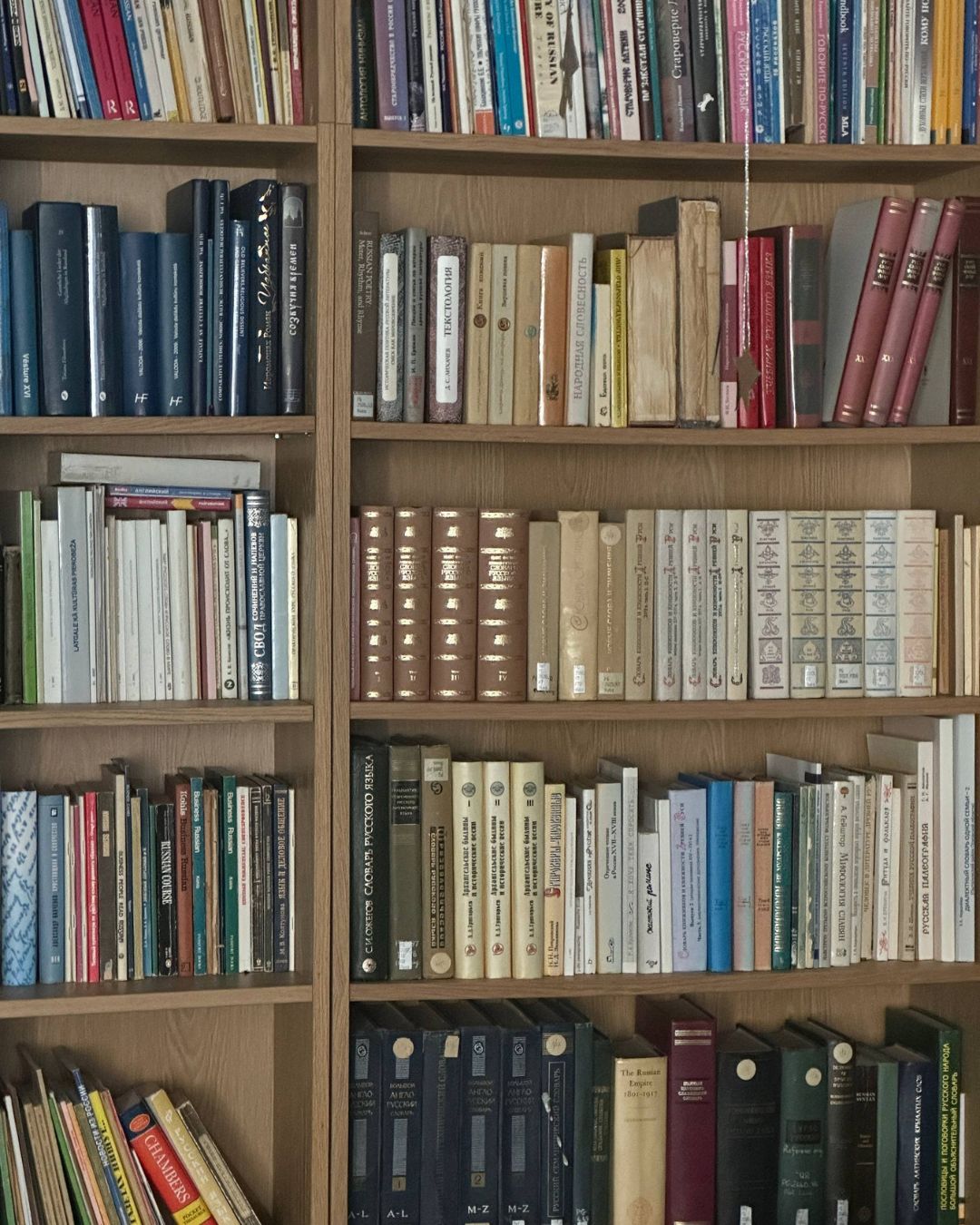
- Фото: Библиотека в Эдинбурге, @edin.book
-
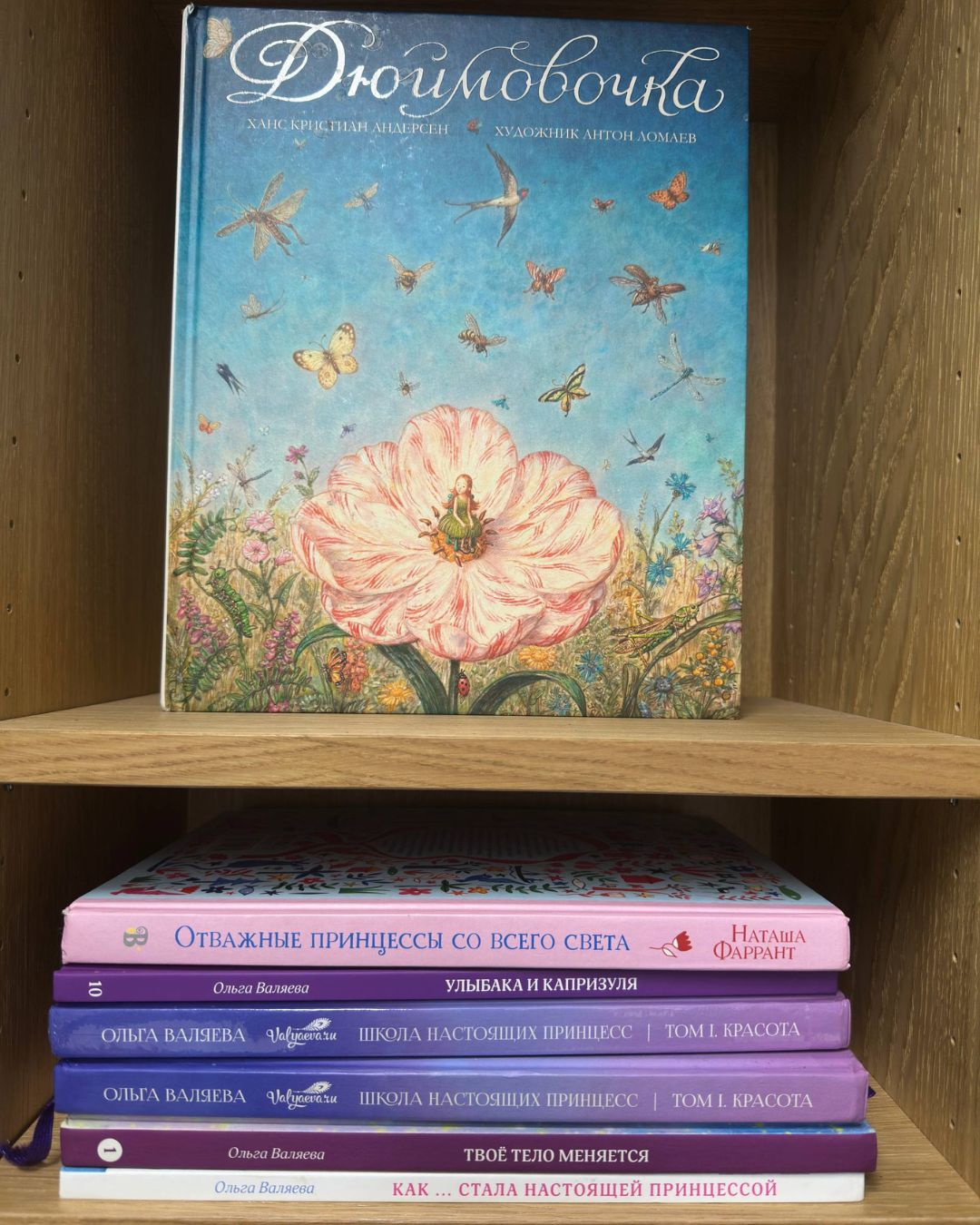
- Фото: Библиотека в Эдинбурге, @edin.book
Readers can suggest titles, contributing to the catalogue. “In a way, the library belongs to everyone who uses it.” And yet, perhaps what matters most about these initiatives is not their scale, but their persistence.
The library is free to use. Registration requires only a name and phone number, and readers can borrow up to three books per month.
How to find: 25 Palmerston Place, Edinburgh EH12 5AP. Instagram — @edin.book.
In the face of economic and political uncertainty, the desire to preserve the Russian language and cultural identity does not fade; it becomes more conscious, more personal. These projects are sustained not by institutions, but by people – by their time, care, and determination.
In many ways, this is how independent cultural life in diaspora exists today. It is shaped by initiatives such as Afisha.London – a privately founded publication that, for over a decade, has worked to sustain the Russian language, nurture cultural connection, and bring together a dispersed community. What emerges is not simply a collection of projects, but a living cultural fabric, in which language remains not an abstract idea but a shared, evolving practice.
Afisha.London will continue to follow and share such initiatives. If you are working on a project that brings people together and keeps language alive, we would be delighted to hear from you. Please share your story with us by completing the form here.
Cover photo: Afisha.London
Read also:
Russian classics on London stages in 2026: from Turgenev to Chekhov
Related Articles



SUBSCRIBE
Receive our digest once a week with quality Russian events and articles