Chernobyl catastrophe: 40 years on, and what we remember
Forty years ago, one of the most devastating technological disasters of the twentieth century unfolded at the Chernobyl Nuclear Power Plant, on the territory of present-day Ukraine, then part of the Soviet Union. Today, we return to these events — not only to recall what happened, but to understand the scale of its consequences, to consider what Chernobyl has come to represent, and to ask why its shadow still lingers so insistently over our collective imagination. And perhaps most importantly, to trace the ways in which this tragedy has been documented, interpreted, and remembered — across literature, cinema, and popular culture. Afisha.London magazine brings together the essential context
This article is also available in Russian here
What happened
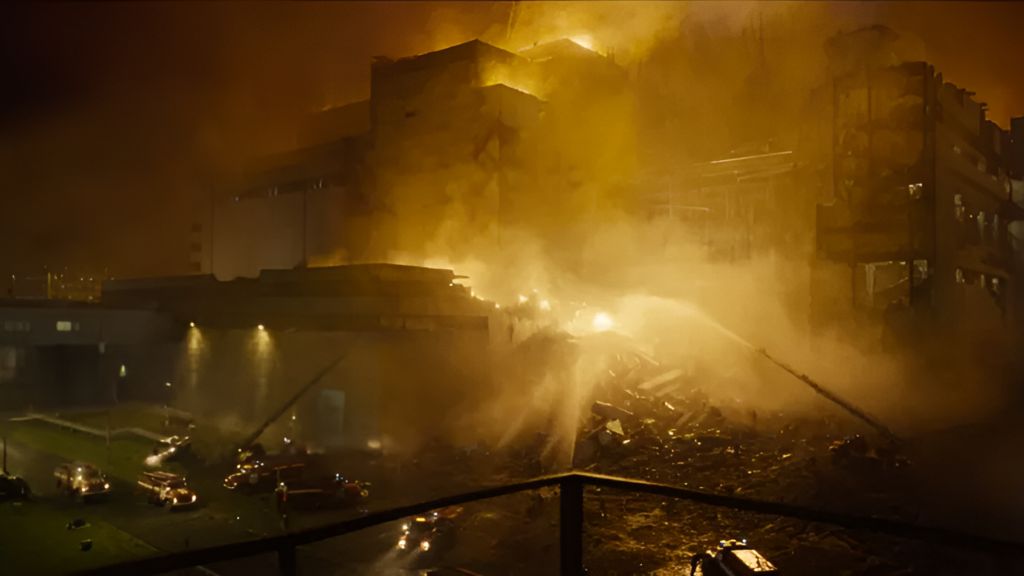
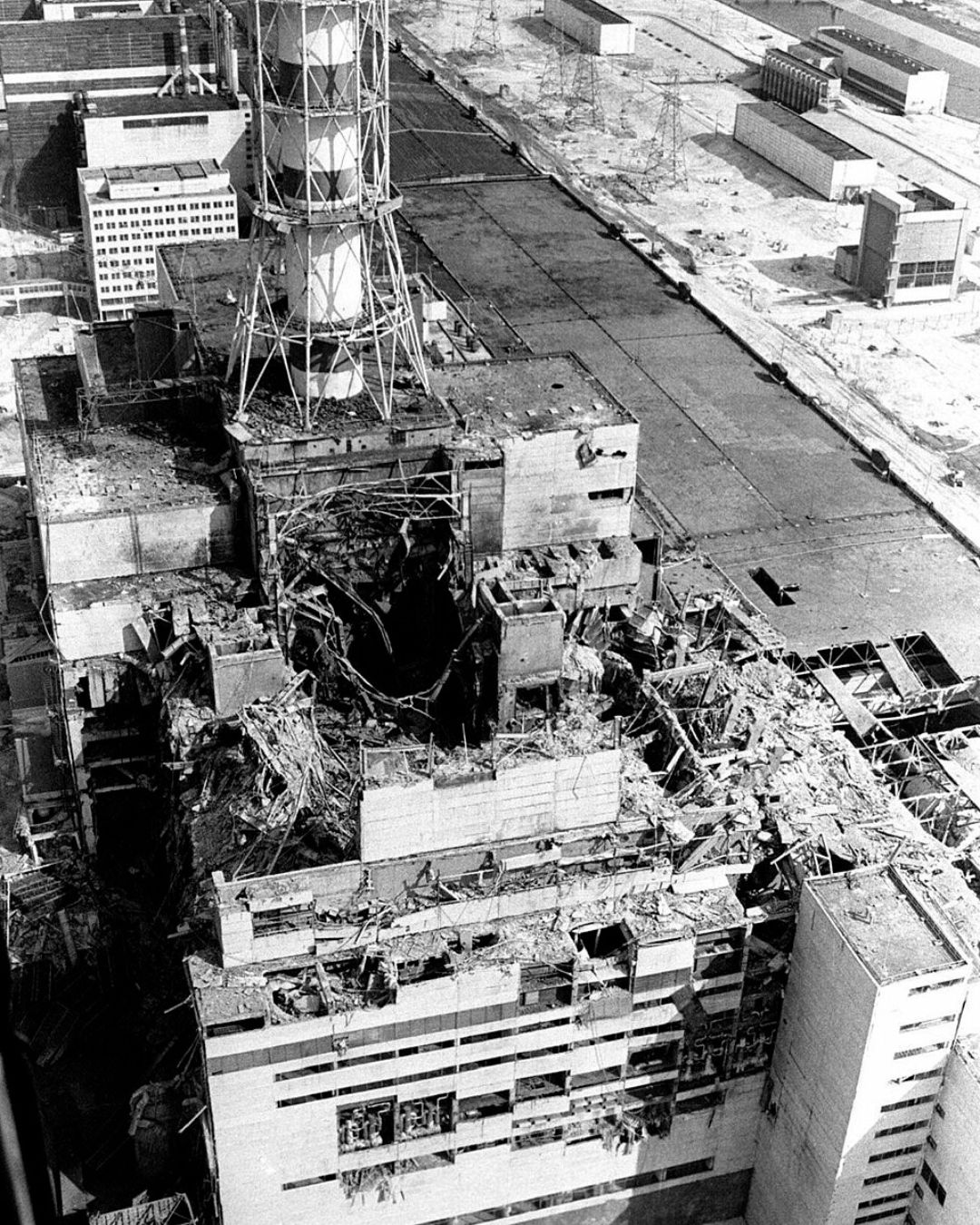
On 26 April 1986, an explosion tore through Reactor No. 4 at the Chernobyl Nuclear Power Plant, releasing vast quantities of radioactive material into the atmosphere.
The disaster occurred during a systems test carried out by plant engineers, who were attempting to understand how the reactor would behave in the event of a power outage. During the experiment, the reactor’s output was deliberately reduced. What the operators did not fully realise was that the reactor had already entered a dangerously unstable state. As power levels dropped, the pumps responsible for circulating cooling water became less effective. The reduced flow caused the water to turn into steam, leading to a rapid and uncontrollable increase in pressure within the system.

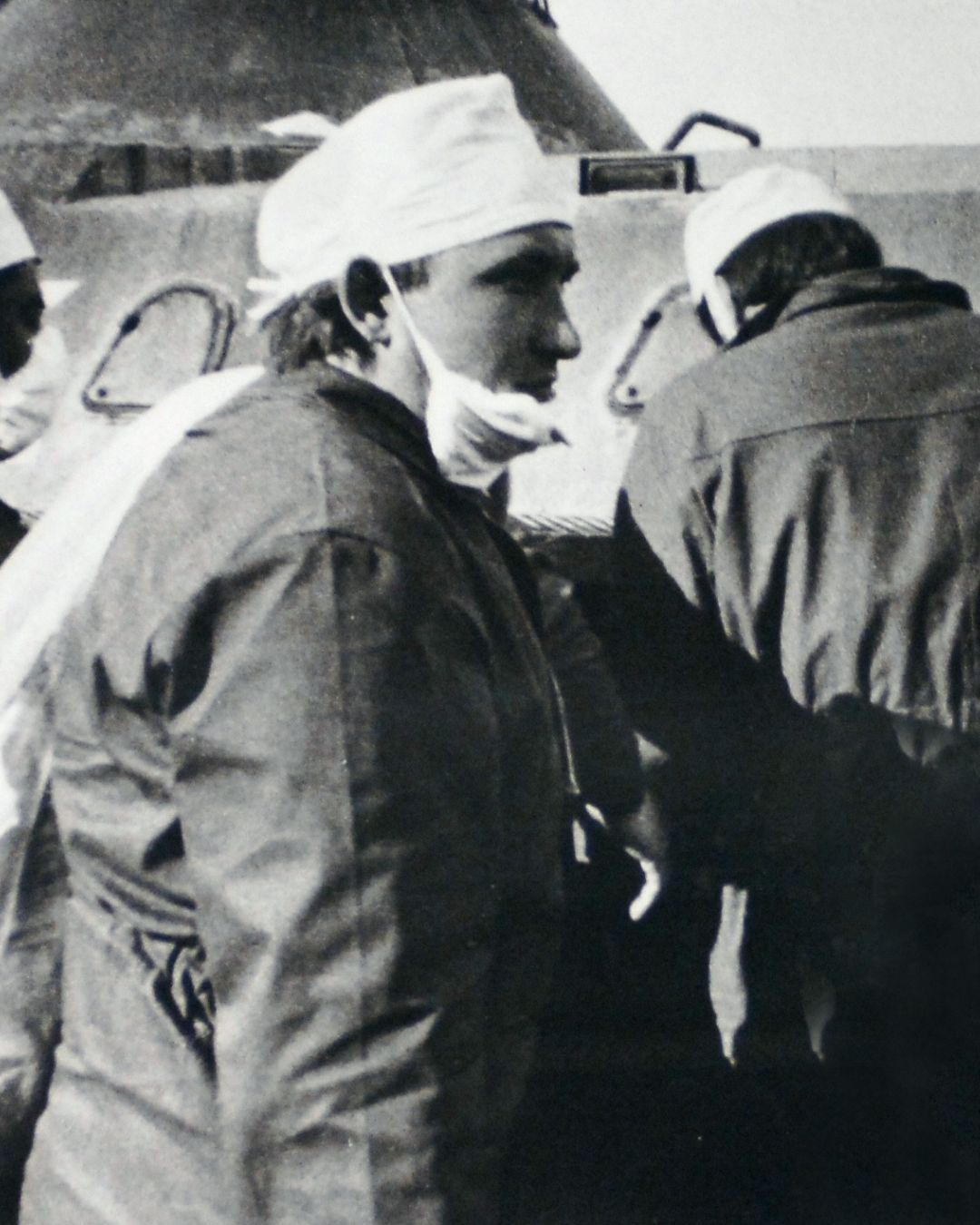
By the time the operators grasped the severity of the situation, it was already too late. A powerful explosion blew off the reactor’s steel lid — weighing approximately 1,000 tonnes, roughly equivalent to three Boeing 747 aircraft — exposing the core. What followed was a fire that burned for days, sending radioactive particles high into the atmosphere and dispersing contamination far beyond the site itself.
The Soviet response
In the immediate aftermath, Soviet authorities attempted to conceal the scale of the disaster. No public announcement was made, and information was tightly controlled.
The truth began to emerge only after elevated radiation levels were detected in Sweden, prompting international concern and demands for explanation. Under mounting global pressure, the Soviet Union was forced to acknowledge the accident. Chernobyl became not only an environmental and humanitarian catastrophe, but also a political turning point. It exposed the limits of secrecy, deepened public mistrust in state institutions, and intensified demands for greater transparency. In the years that followed, this shift contributed to broader political changes within the Soviet Union.
Read also: Wardrobe as Diplomacy: an exhibition marking the centenary of Queen Elizabeth II in London
-
- Photo: IAEA Imagebank, CC BY-SA 2.0, via Wikimedia Commons
-
- Photo: IAEA Imagebank, CC BY-SA 2.0, via Wikimedia Commons
The scale of the consequences
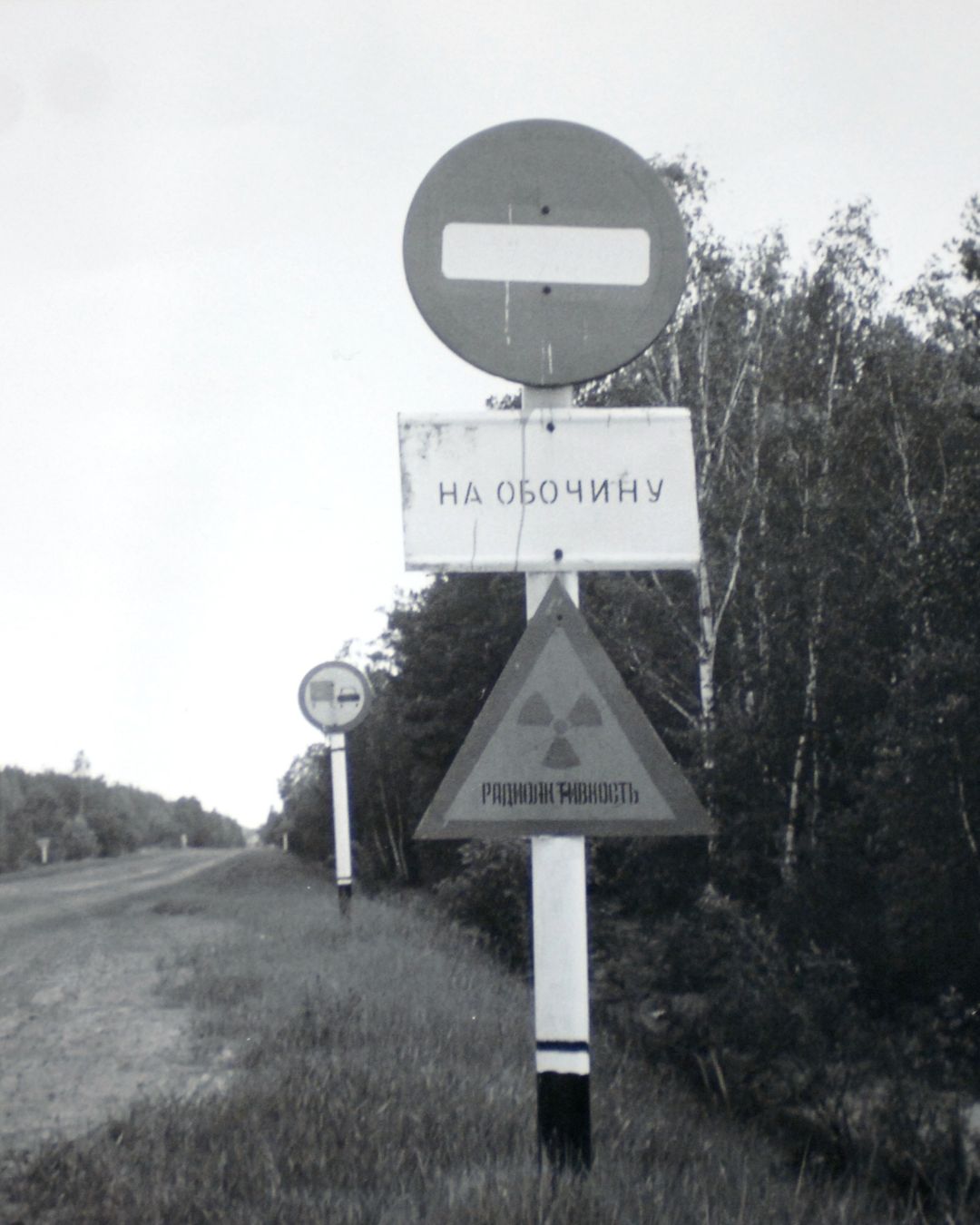
According to United Nations estimates, more than 3.5 million people were affected by the disaster, and nearly 50,000 square kilometres of land were contaminated.
The consequences of Chernobyl extended far beyond Soviet borders. A radioactive cloud drifted across Europe, affecting dozens of countries, including the United Kingdom. In response, British authorities imposed restrictions on the sale of sheep from thousands of farms, as livestock had grazed on contaminated pasture.

In parts of North Wales, the effects proved particularly long-lasting. Elevated radiation levels in livestock were recorded even a decade later, a stark reminder of how slowly contamination recedes.
The human impact was equally profound. In Ukraine and neighbouring countries, rates of illness increased significantly, particularly among children. Many of those affected continue to live with the long-term consequences of radiation exposure — consequences that are less visible, but no less real.
-
- Photo: IAEA Imagebank, CC BY-SA 2.0, via Wikimedia Commons
-
- Photo: IAEA Imagebank, CC BY-SA 2.0, via Wikimedia Commons
Containing the reactor
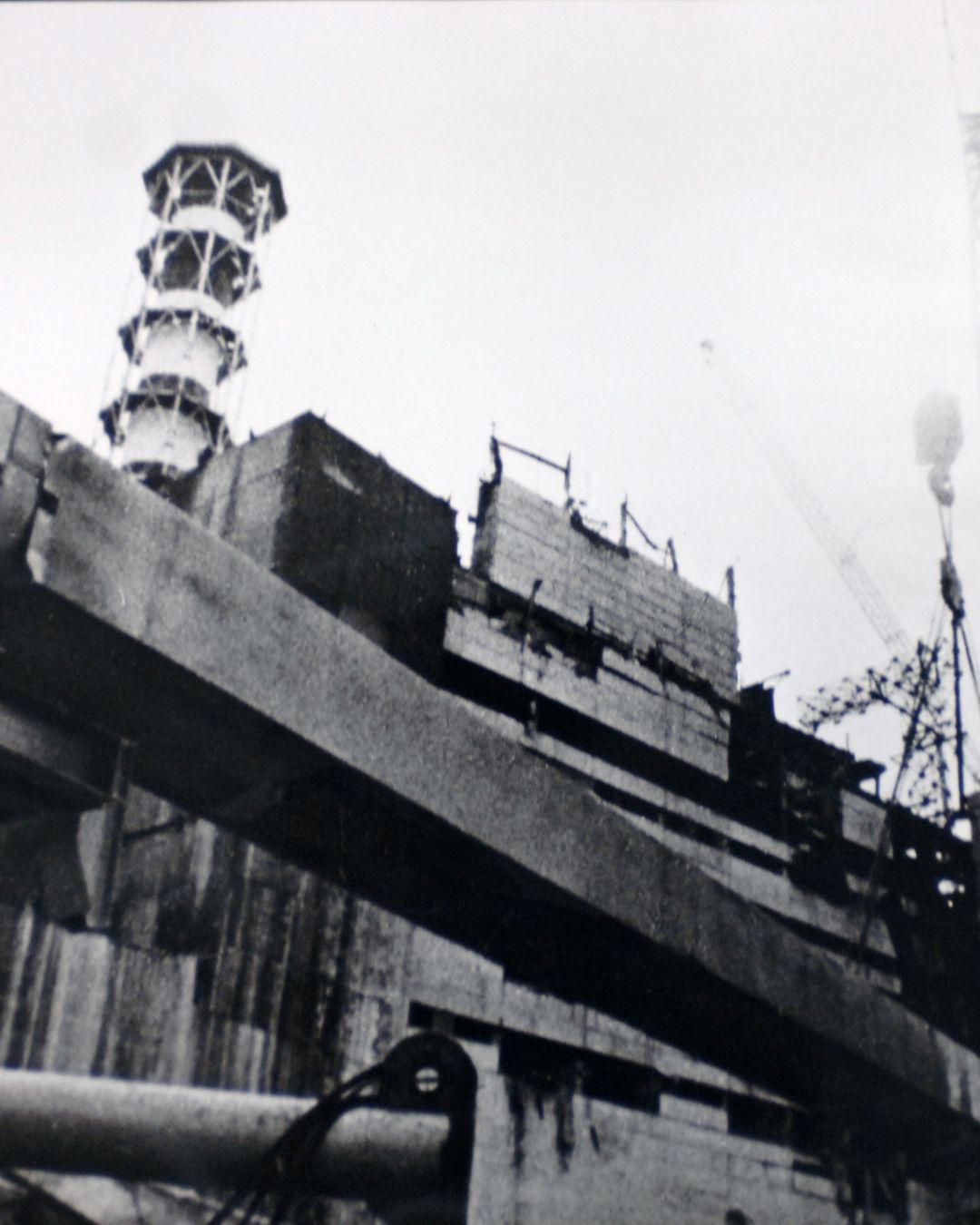
In an effort to limit further radioactive release, a protective structure — commonly referred to as a sarcophagus — was constructed around the destroyed reactor using concrete and steel. Although initially conceived as a temporary solution, the structure gradually deteriorated over time.
In 2010, work began on a new containment system known as the New Safe Confinement. By 2016, a vast steel arch had been carefully moved into place over the original structure. Designed to last for approximately 100 years, it allows for the gradual dismantling of the reactor using remote-controlled technologies. The project cost around €1.5 billion, reflecting both its scale and its complexity. Despite these efforts, a significant quantity of radioactive material remains inside the reactor, and work to ensure long-term safety continues.
Read also: How Britain discovered Gorbachev, and Gorbachev discovered Britain
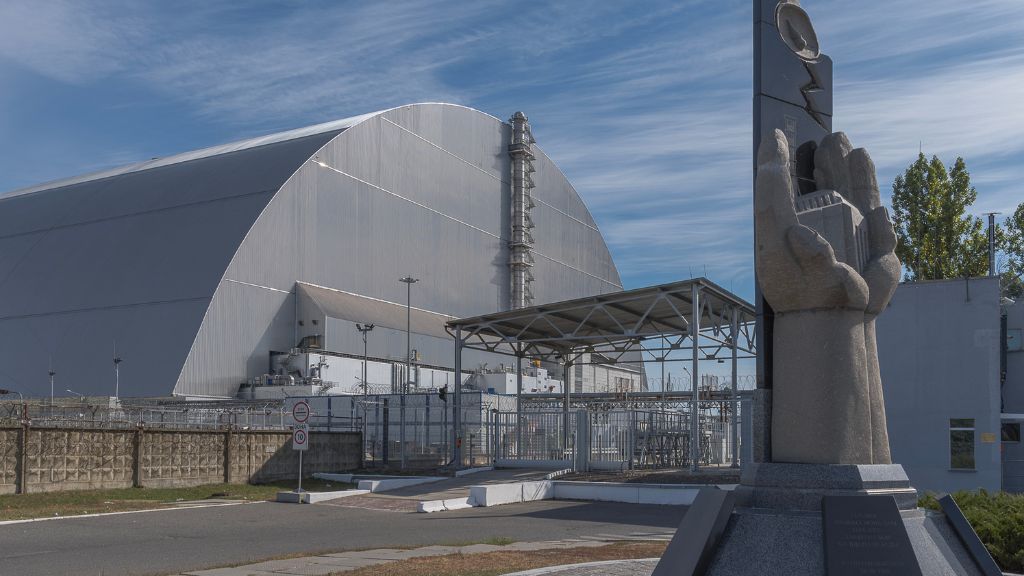
Photo: Mattias Hill, CC BY-SA 4.0, via Wikimedia Commons
Chernobyl today
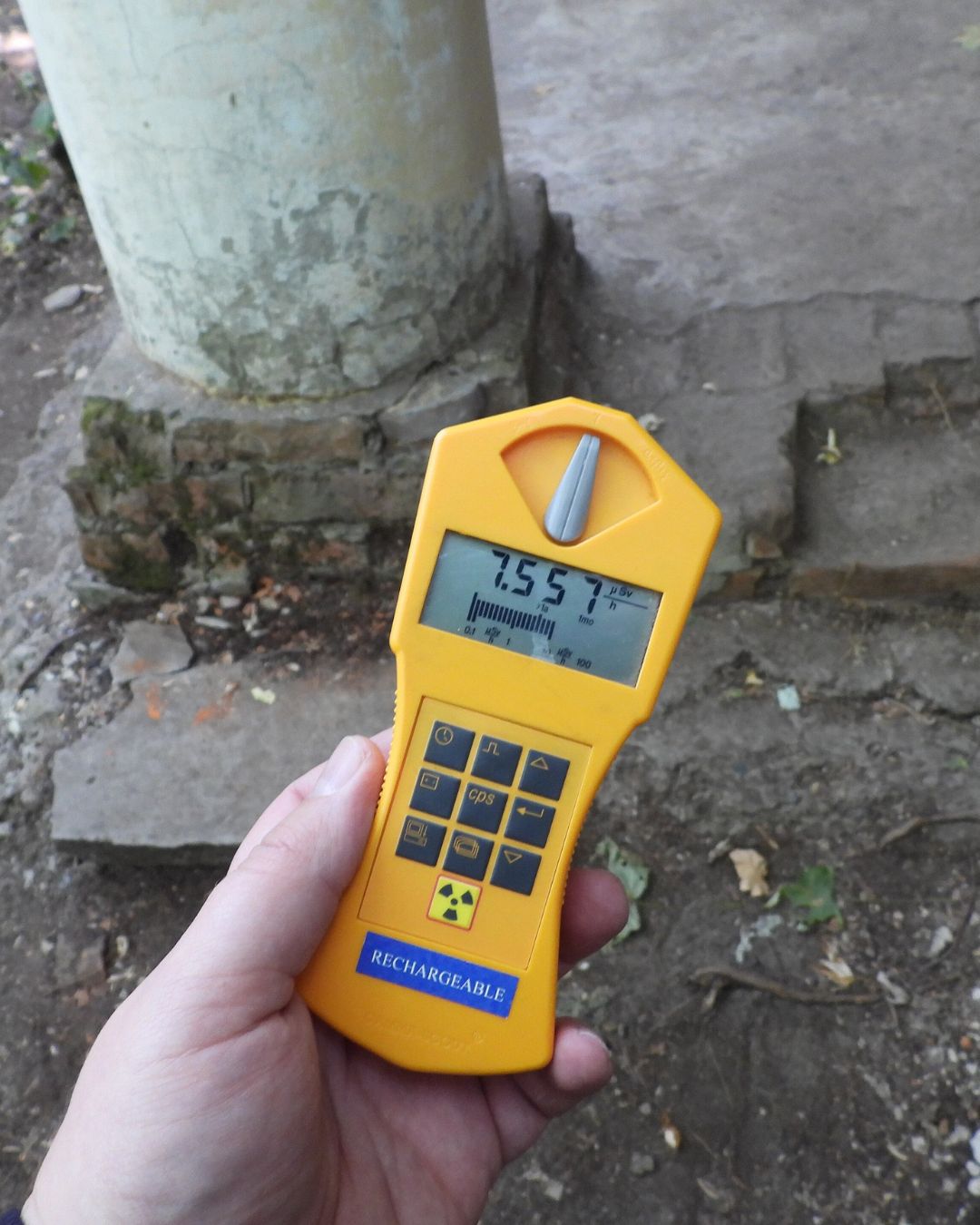
Within the exclusion zone surrounding the plant, radiation levels have declined to the point where short visits are now possible. The area has, in recent years, become a destination for organised tourism, although access remains strictly controlled.
In February 2022, the Chernobyl site was seized by Russian forces on the first day of the invasion of Ukraine. Roughly a month later, those forces withdrew.
In 2024, Ukrainian authorities reported damage to the protective structure following a drone strike, a claim denied by Russia. According to international observers, the containment system has indeed been damaged and requires repair. Experts emphasise, however, that radioactive materials remain securely contained, even as the structure itself demands ongoing maintenance.
Read also: Tom Stoppard: the playwright who redefined modern drama
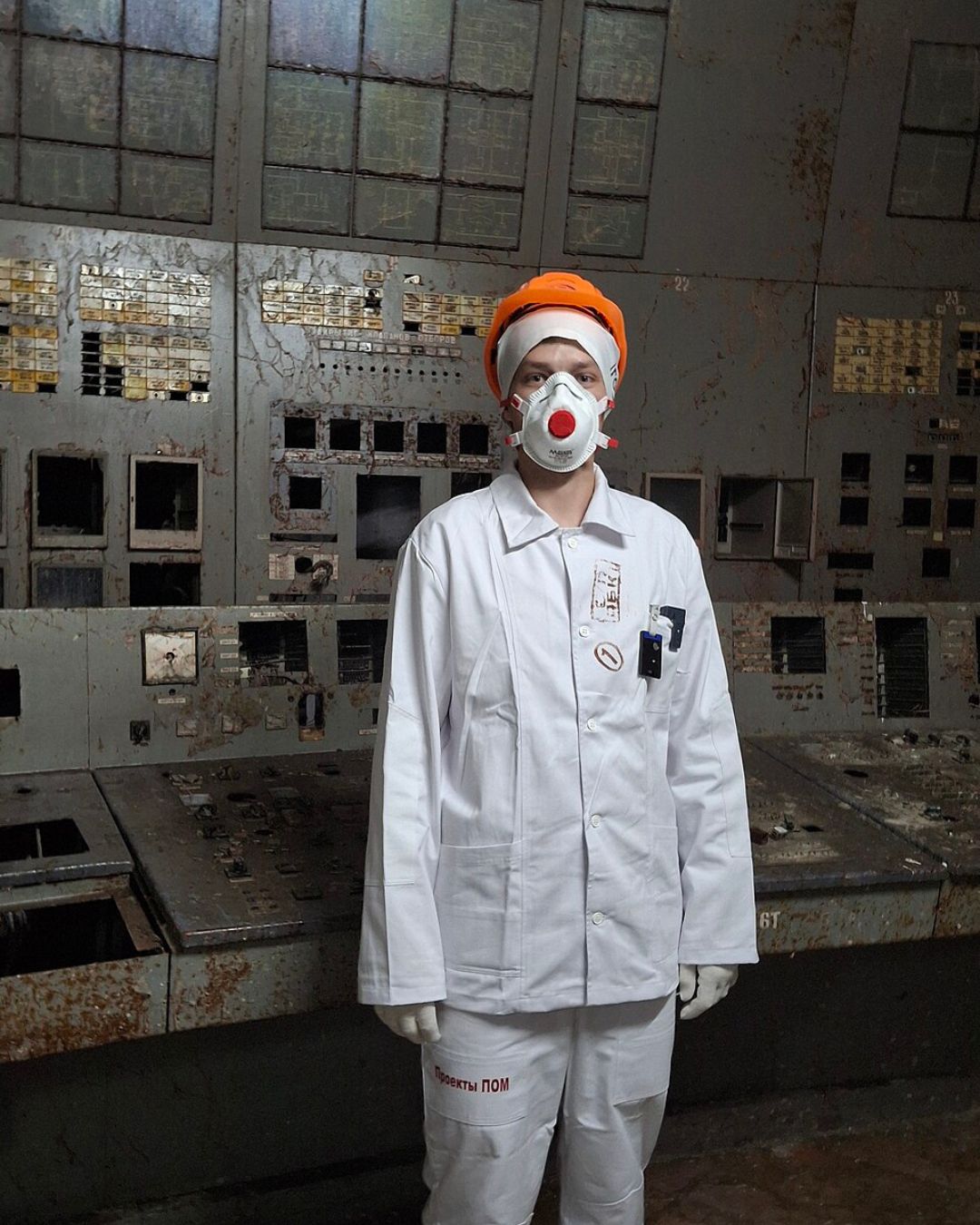
Chernobyl in culture
Over time, Chernobyl has moved beyond the boundaries of history and entered the realm of cultural memory. It has become a subject through which artists, writers, and filmmakers attempt to grasp the scale of what happened — and the difficulty of fully comprehending it.
Film and literature
One of the most significant literary responses to the catastrophe is Voices from Chernobyl (1997) by Belarusian journalist and Nobel laureate Svetlana Alexievich. Based on more than 500 interviews with liquidators, doctors, evacuees from Pripyat, and other witnesses, the book offers a deeply human account of the disaster. It also served as a source of inspiration for HBO’s acclaimed mini-series Chernobyl (2019).
The Ukrainian mini-series Motylki (Inseparable, 2013) unfolds against the backdrop of the disaster, focusing on the intertwined lives of two sisters and a soldier involved in the clean-up operation, whose paths cross during the evacuation of Pripyat.
The film Chernobyl (2021), directed by Danila Kozlovsky, presents a personal and dramatic interpretation of events through the story of a single protagonist.
By contrast, the American horror film Chernobyl Diaries (2012) reimagines the exclusion zone as a place of latent danger, following a group of tourists who encounter unexpected threats in the abandoned city.

Documentary cinema
Documentary filmmakers have approached Chernobyl as a long-term humanitarian and environmental catastrophe.
Chernobyl Heart (2003), which won an Academy Award, explores the effects of radiation on human health.
The Battle of Chernobyl (2006), produced by the Discovery Channel, reconstructs the events of the disaster using archival footage.
Read also: Russian classics on London stages in 2026: from Turgenev to Chekhov
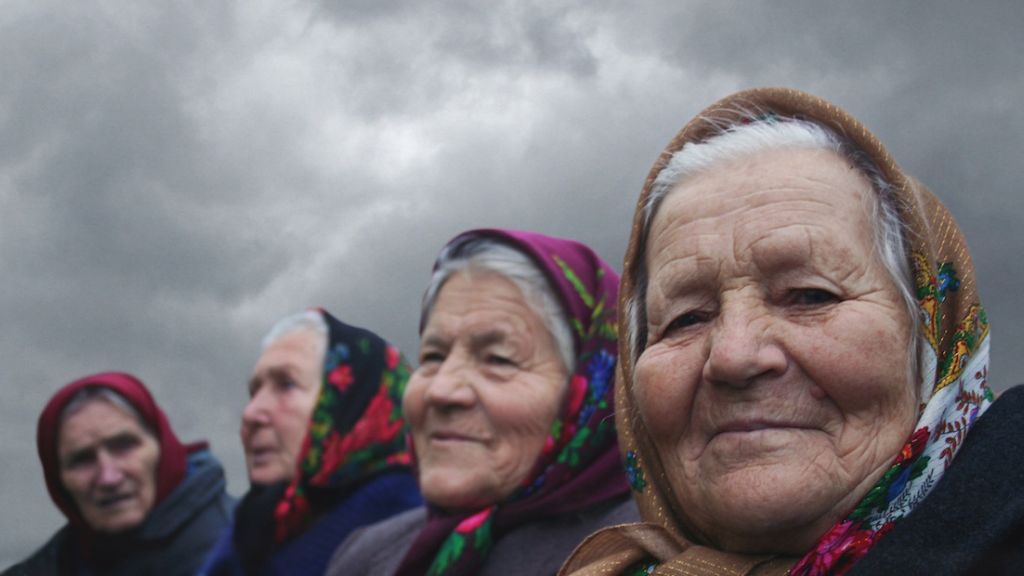
Photo: The Babushkas of Chernobyl / Produced by Holly Morris & Anne Bogart
The Babushkas of Chernobyl (2015) tells the story of elderly women who returned to live in the exclusion zone despite the risks.
BBC’s Surviving Disaster: Chernobyl Nuclear Disaster (2006) offers a detailed reconstruction of the catastrophe.
More recently, Chernobyl 22 (2023), a short documentary by Alexei Radynski, documents the Russian occupation of the plant in 2022, drawing on testimonies from staff and covertly filmed material.

Video games
Chernobyl has become one of the most recognisable settings in contemporary gaming culture. The S.T.A.L.K.E.R. series (2007–2010) reimagines the exclusion zone as a mysterious and hazardous landscape.
The city of Pripyat also appears in the Call of Duty franchise (2007, 2009), reinforcing its image as a space suspended between abandonment and threat.
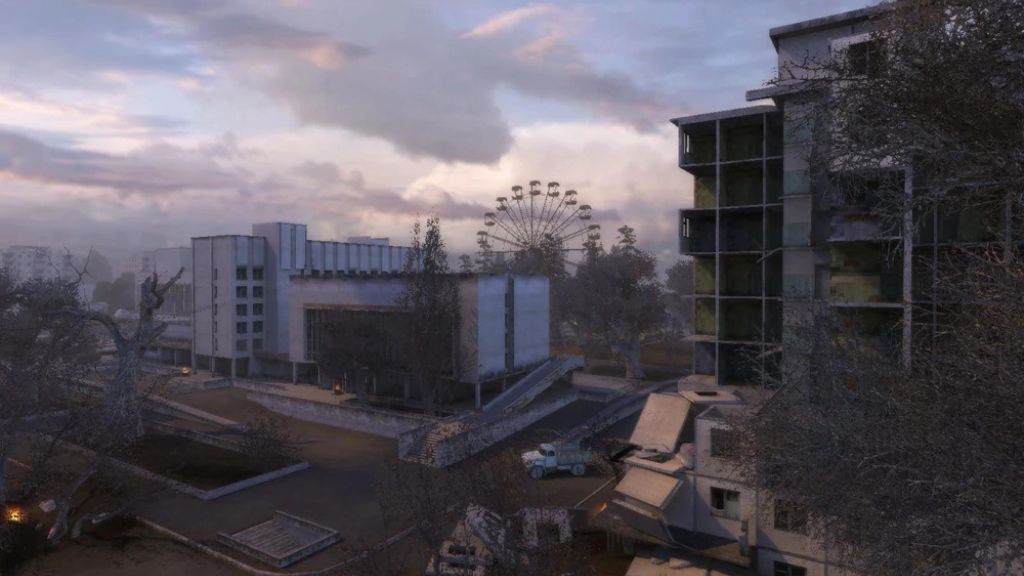
Photo: still from the game S.T.A.L.K.E.R.
Music
The disaster has inspired musicians across genres — from post-punk and heavy metal to electronic and pop.
David Bowie drew on its imagery in Time Will Crawl. The Austrian band Erste Allgemeine Verunsicherung released Burli, reflecting on the human consequences of radiation exposure. Kraftwerk, in their 1991 remix of Radioactivity, explicitly reference Chernobyl alongside other nuclear disasters.
Pripyat has also entered visual culture: music videos by Example and Go_A were filmed in the exclusion zone, while Pink Floyd incorporated footage from Pripyat in their video for Marooned.
Chernobyl is often remembered as a moment — a night, an explosion, a sequence of irreversible events. But in reality, it is something far less contained.
It is a landscape that continues to change, a history that continues to unfold, and a story that resists closure. Forty years on, it remains not only a warning, but a question — about technology, responsibility, and the limits of control. And perhaps that is why we continue to return to it.
Cover photo: still from the HBO miniseries Chernobyl (2019)

Read also:
Anglo-Soviet friendship at war: new exhibition at The Wallace Collection
After Chernobyl: Tarkovsky and Eastern Bloc cinema at the Barbican
London’s spring art season 2026: retrospectives, rediscoveries and the spectacle of display
Related Articles




.jpg)
.jpg)
.jpg)
.jpg)


SUBSCRIBE
Receive our digest once a week with quality Russian events and articles