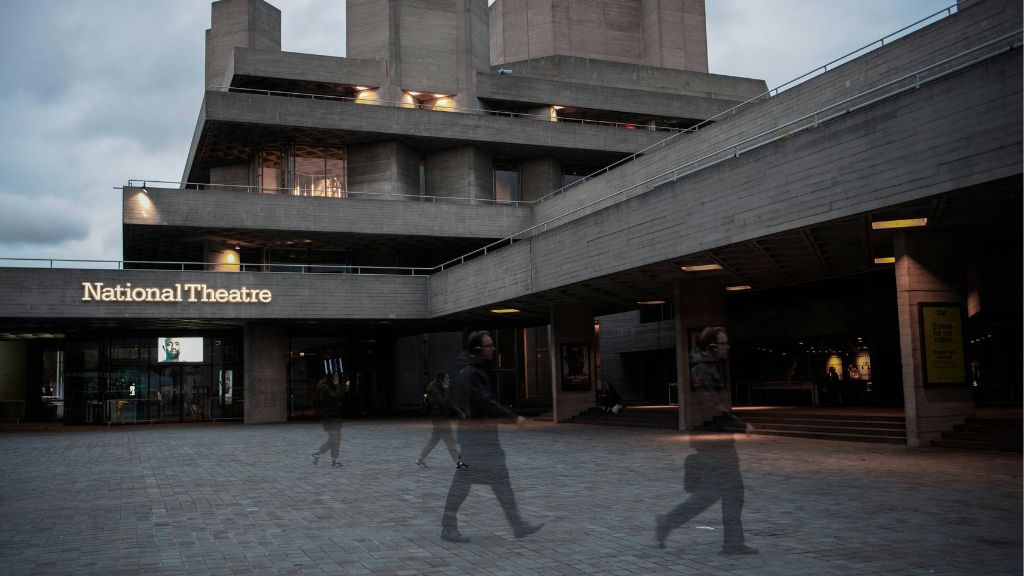
National Theatre London introduces dynamic pricing
The National Theatre in London, following the Royal Opera House, has joined the growing number of cultural institutions introducing dynamic pricing. Ticket prices will now depend on demand, a system that raises questions about the balance between accessibility and commercial viability. The theatre’s management argues that the approach helps maintain affordability, ensuring that at least 25% of all tickets are sold for £30 or less. Afisha.London looks at how the system works in practice and why it is already sparking debate.
This article is also available in Russian here.
As reported by The Telegraph, the approach has already sparked debate among audiences. The difference in prices can be striking: for example, a family visit on a Saturday afternoon was priced at £440 for four tickets, compared with around £160 for the same seats on a Monday evening. In another case, the price of two tickets rose from £162 to £220 within a short period of time.

The theatre says the aim is to balance commercial realities with accessibility. Lower-priced tickets remain available in general sale, although typically limited to two per person. The scheme also includes standby tickets: one hour before the performance, remaining seats can be purchased for £25–£30.
A National Theatre spokesperson told: “At the National Theatre, we are committed to keeping our work affordable and accessible to everyone – 25pc of tickets are £30 or under on the South Bank this year.
“In common with many performing arts organisations, the National Theatre does occasionally adjust prices as this supports our ability to offer a large quantity of accessibly priced tickets at £30 or under. We don’t increase the price or the proportion of our lowest priced tickets, and we never exceed our advertised top price.”
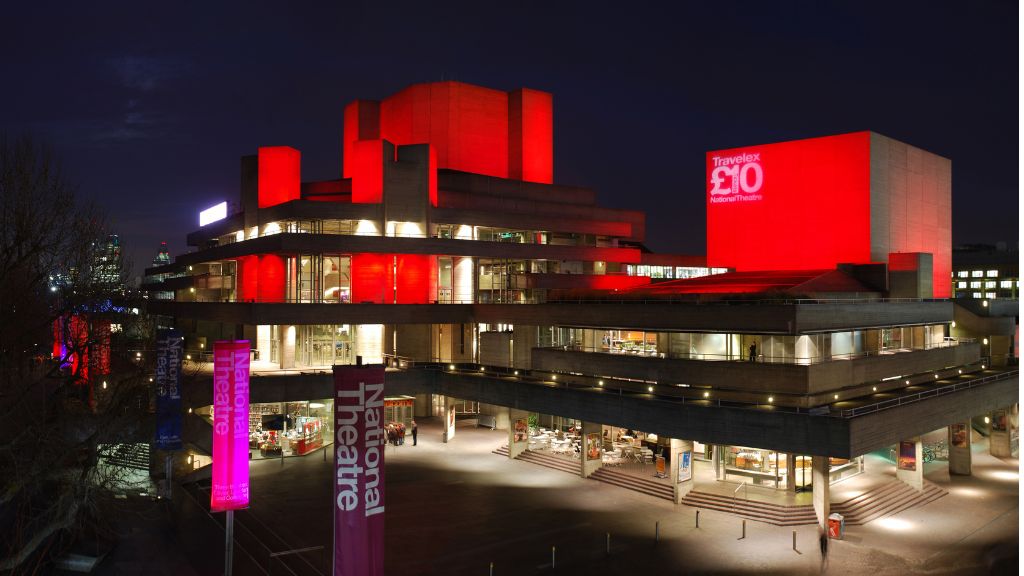
Photo: David Samuel, User:Hellodavey1902, CC BY-SA 3.0, via Wikimedia Commons
However, critics point out that the National Theatre receives around £16 million in annual public funding and holds charitable status. In their view, higher prices for some audiences effectively subsidise discounts for others, reinforcing a sense of inequality.
At the same time, more than 80 attractions across the UK offer substantial discounts for Universal Credit recipients. London Zoo, for instance, offers a family ticket for £26 instead of £108. At Westminster Abbey, the difference is even more pronounced: while standard entry costs around £62, eligible families pay just £2. Similar schemes operate at major landmarks including HMS Belfast, St Paul’s Cathedral, Kew Gardens, Kensington Palace and Cutty Sark. According to Historic Royal Palaces, between April 2025 and March 2026 around 106,000 visitors used £1 tickets to enter the Tower of London.
Read also: Russian classics on London stages in 2026: from Turgenev to Chekhov
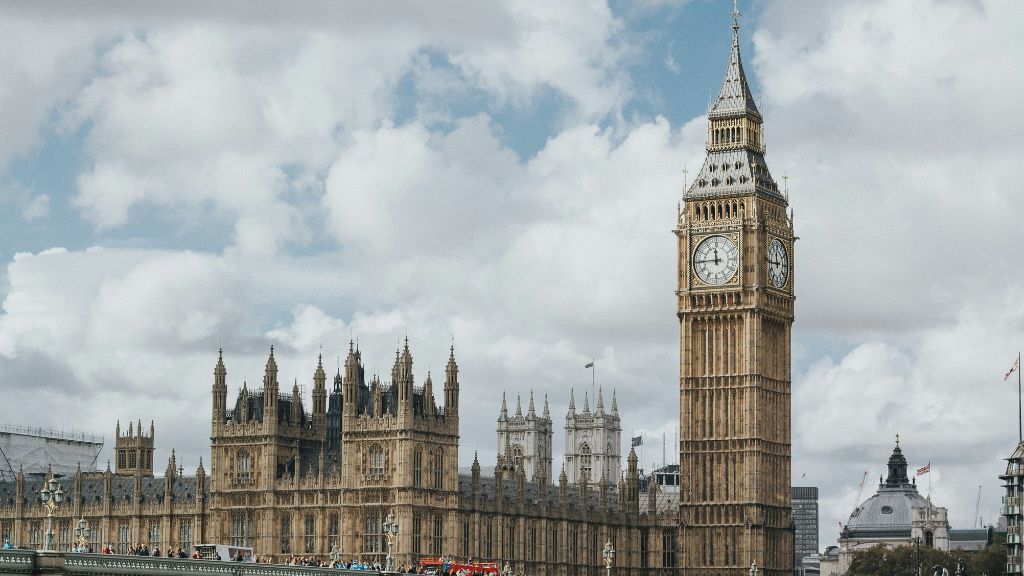
Photo: Marcin Nowak / Unsplash
In essence, dynamic pricing follows a similar logic of redistribution as welfare-linked discounts, though in a less transparent and less formally structured way.
As Christopher Snowdon of the Institute of Economic Affairs notes, the system means that some audiences inevitably pay more in order to subsidise access for others.
“The UK has a whole web of subsidies and discounts that are not officially part of the welfare state but which nonetheless redirect money from those who do not claim benefits to those who do.”

Dynamic pricing has already become standard in the commercial sector — from ride-hailing apps to concert venues — and this month the Bank of England warned that it could soon spread further into retail. In the performing arts, the Royal Opera House has already adopted a similar model, prompting heated debate.
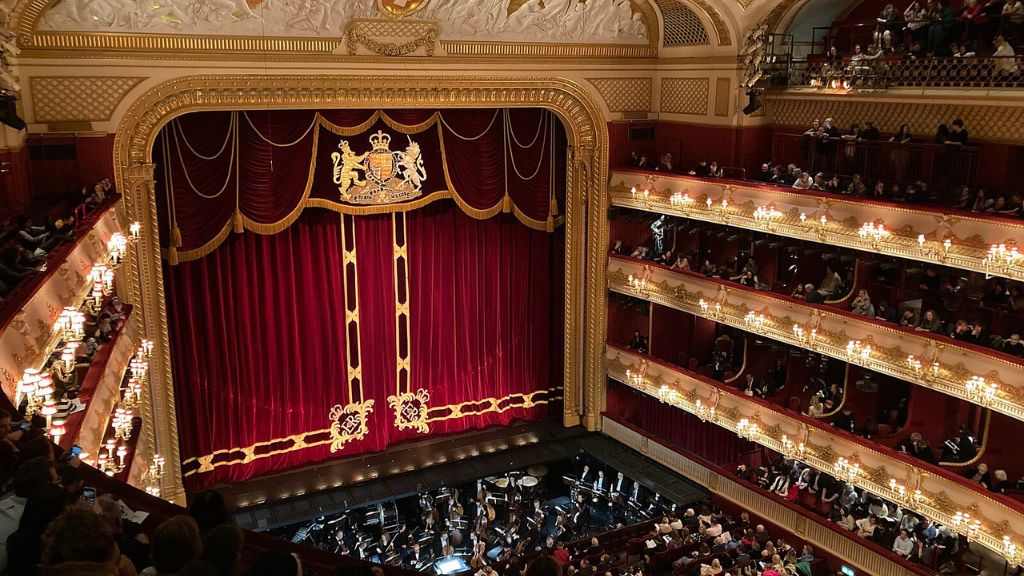
Photo: The Royal Opera House, Covent Garden by Peter Evans, CC BY-SA 2.0, via Wikimedia Commons
Critics argue that such pricing reinforces the idea of theatre and opera as elite entertainment. Yet The Telegraph, in the context of the Royal Opera House’s move, also offered a different perspective:
“Charging the wealthy £400 so the less affluent can see world-class opera for £20 makes perfect sense. All this surely means that the introduction of dynamic pricing is just what the opera house should be doing to ensure that they reap the most they can from the expensive seats in order to keep a raft available at affordable prices.”
Regulators, including the Competition and Markets Authority, point to a dual effect: while audiences may find good deals, rapid price changes can create pressure and encourage quick decision-making — something that can be particularly difficult for more vulnerable groups.
The National Theatre maintains that, despite the new system, accessibility remains its priority.
Cover photo: Julia Sadowska / Unsplash
Read also:
Tom Stoppard: the playwright who redefined modern drama
Wardrobe as Diplomacy: an exhibition marking the centenary of Queen Elizabeth II in London
London’s spring art season 2026: retrospectives, rediscoveries and the spectacle of display
Related Articles




SUBSCRIBE
Receive our digest once a week with quality Russian events and articles