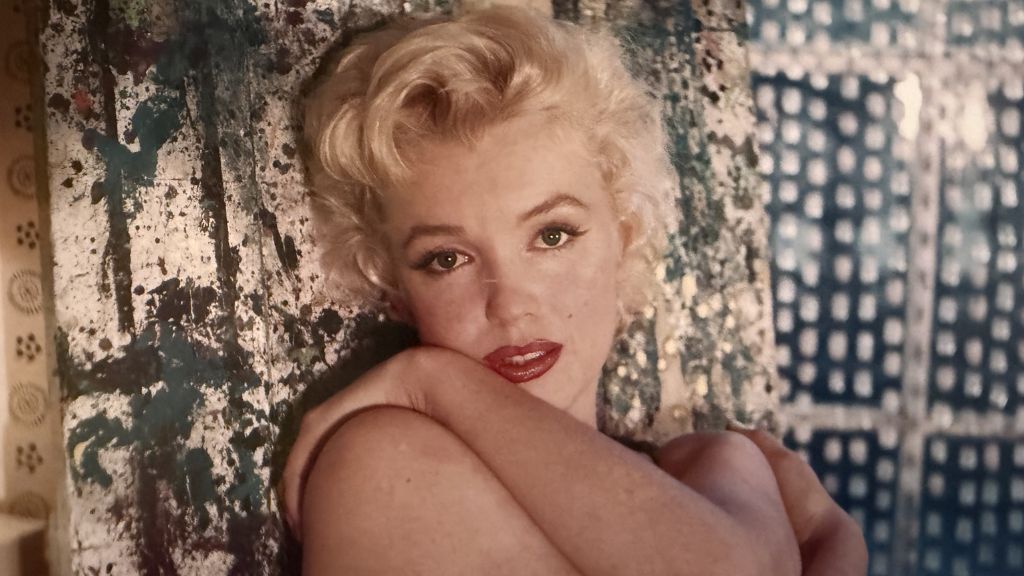
The most beautiful and saddest exhibition in London: Marilyn Monroe — 100 Years!
National Portrait Gallery has once again found itself at the centre of cultural attention in London, opening one of the most anticipated and, without exaggeration, most talked-about exhibitions of the 2026 summer season. This time, the museum turns its attention to a figure who long ago transcended cinema, popular culture and even the boundaries of her own biography, becoming a cultural symbol of the 20th century in her own right. The figure in question is, of course, Marilyn Monroe — a woman whose face is recognised even by those who have never seen a single film she appeared in. Margarita Bagrova, editor-in-chief of Afisha.London, visited the exhibition and shares her impressions.
This article is also available in Russian here
The occasion could hardly be more symbolic: this year would have marked Marilyn Monroe’s 100th birthday. And the mind stumbles, if only for a moment, over that number. One hundred? Her? That eternally young woman with platinum curls, a soft, knowing squint, the famous beauty mark and the white dress forever etched into cinematic history? There are women whose age feels impossible to imagine, and Marilyn is one of them. For most people, she remains frozen in youth: a radiant blonde with luminous skin, a flawless smile and an almost childlike softness to her expression. Almost eternal.

But was the real Marilyn truly like that? That is the question Marilyn Monroe: A Portrait asks — not always directly, but with striking persistence. It must be said that in recent years the National Portrait Gallery has significantly elevated its exhibition language. The gallery has always been known for its thoughtful curation, intellectual depth and carefully balanced storytelling, but its recent shows have also become far more visually ambitious and striking in their presentation. With Marilyn, the gallery once again gets it exactly right.
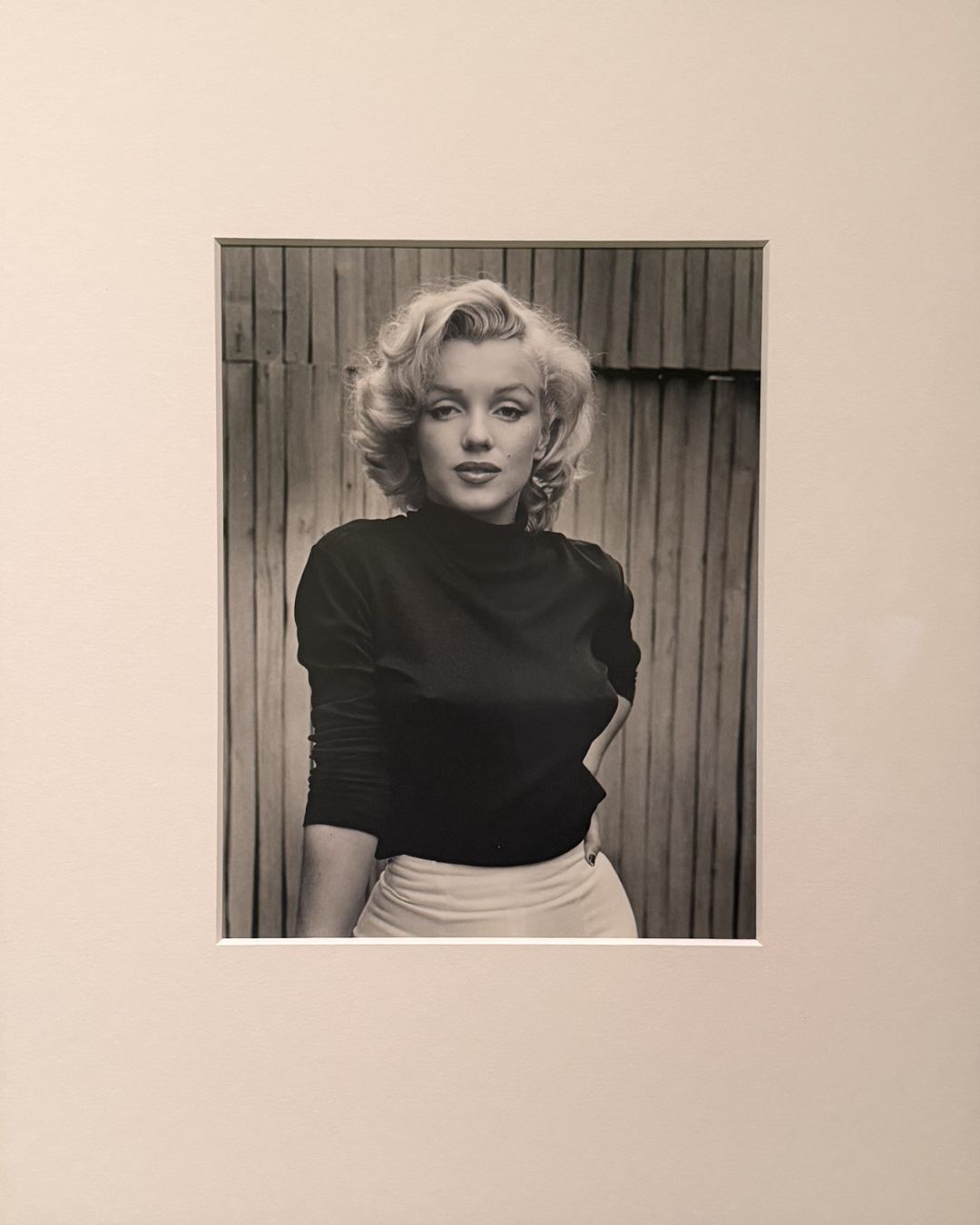
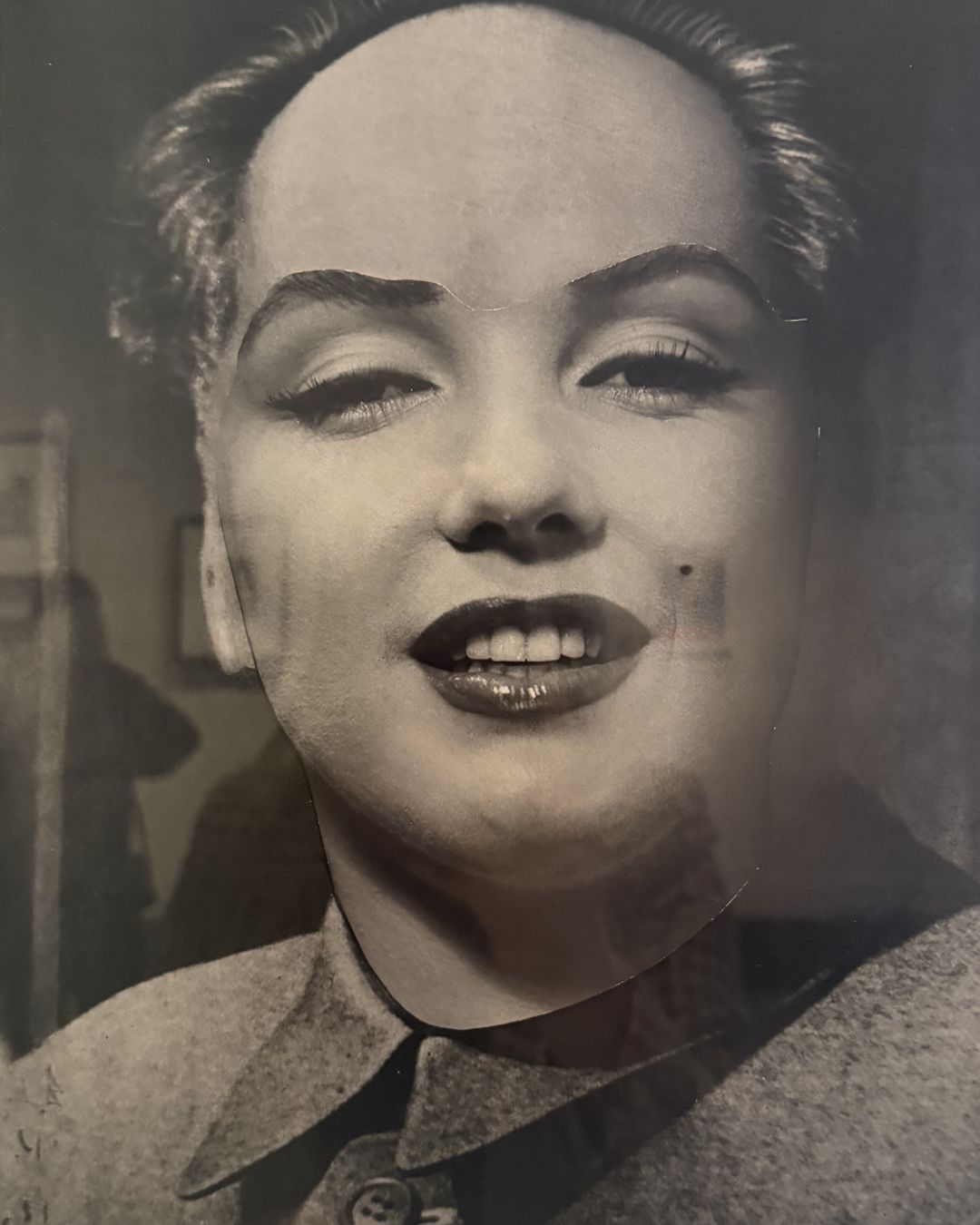
The subject alone all but guarantees sold-out tickets, yet the success of this exhibition lies in far more than the enduring magnetism of Monroe’s name. The show itself is subtle, intelligent and assembled with immense respect for its subject. As one would expect from a portrait gallery, the face becomes the primary language here. To tell Marilyn’s story, the curators have brought together works by some of the most celebrated photographers of the 20th century — artists who not only photographed her, but in many ways helped create the myth known as Marilyn Monroe. Among them are Richard Avedon, Henri Cartier-Bresson, Philippe Halsman, Cecil Beaton, Eve Arnold, Sam Shaw and André de Dienes, among others — an extraordinary gathering of photographic masters at their finest.
-
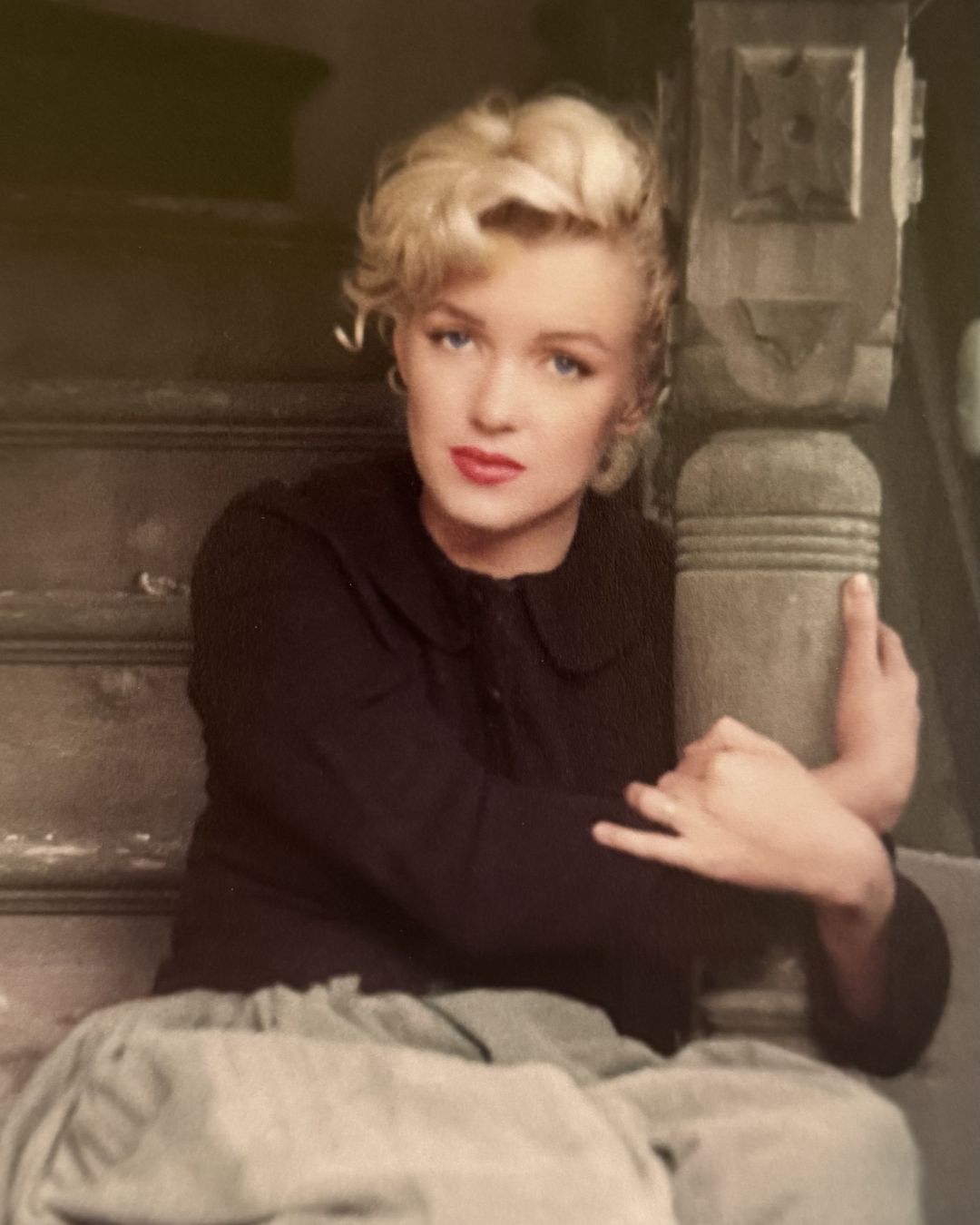
- Photo: Exhibition Marilyn Monroe: A Portrait, by Afisha.London
-
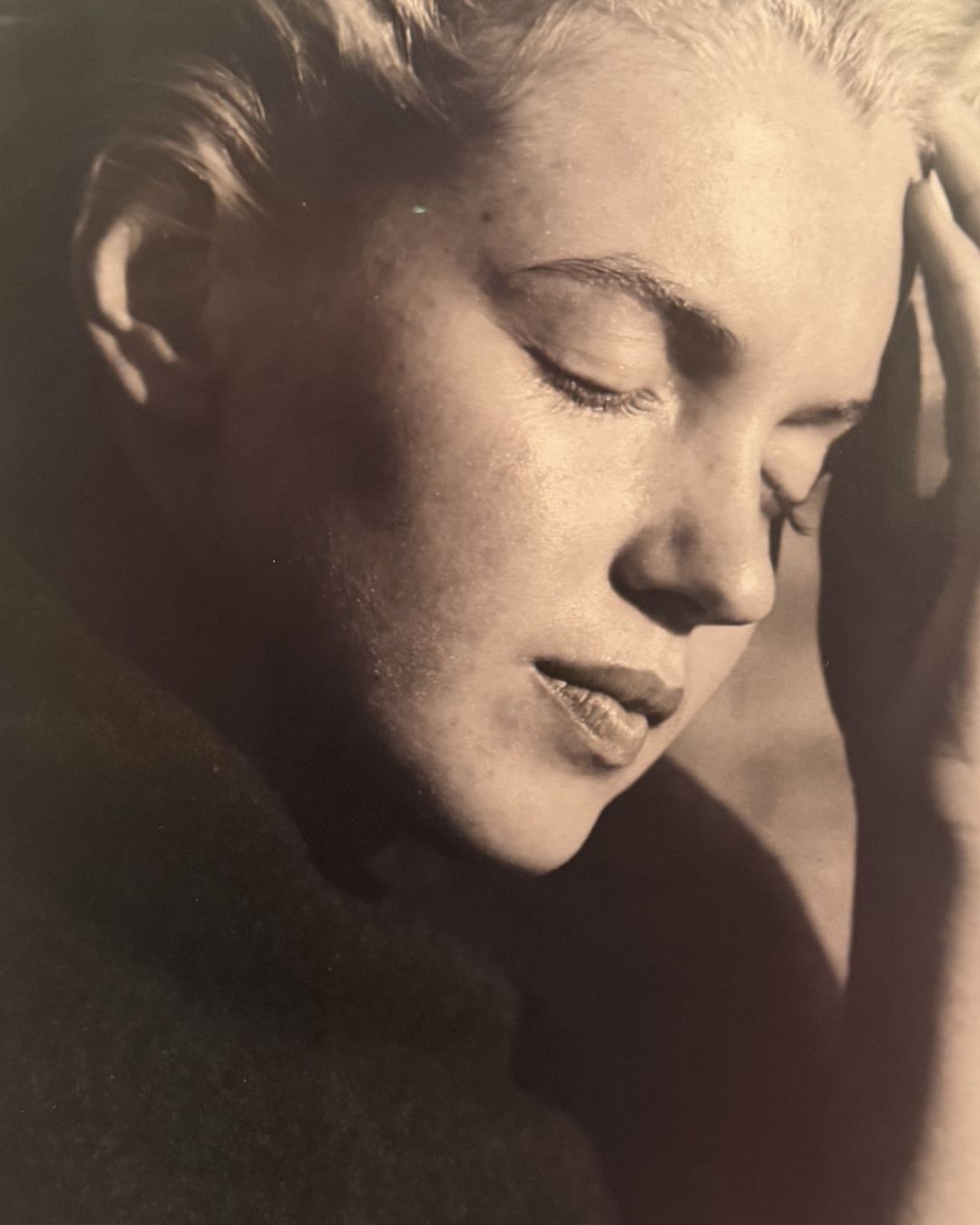
- Photo: Exhibition Marilyn Monroe: A Portrait, by Afisha.London
-

- Photo: Exhibition Marilyn Monroe: A Portrait, by Afisha.London
-
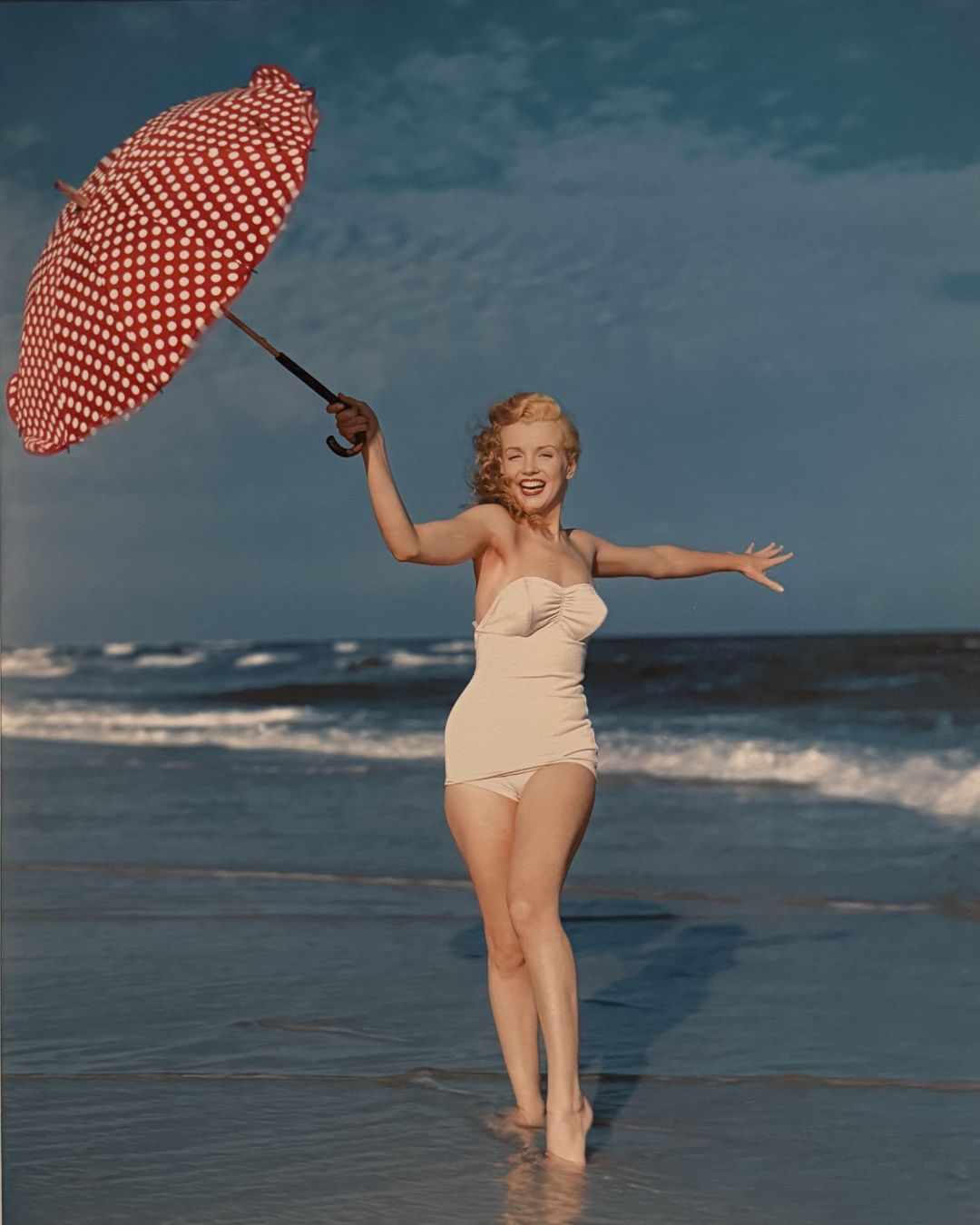
- Photo: Exhibition Marilyn Monroe: A Portrait, by Afisha.London
The exhibition unfolds chronologically, beginning not with Marilyn Monroe, but with Norma Jeane Mortenson, a young brunette from Los Angeles, still without the platinum hair, the polished Hollywood persona or the walk that would later captivate the world. Her biography is widely known, yet that familiarity does nothing to lessen its emotional weight. Born in 1926, she grew up without a father and with a mother suffering from severe mental illness, moving from one foster home to another and periodically ending up in orphanages. Behind the façade of the future legend was a lonely little girl who, from an early age, was catastrophically deprived of the most basic sense of safety, love and acceptance.

And perhaps this is where the central paradox of her life begins: a child desperately starved of love would go on to become the most desired face on the planet. The exhibition captures with remarkable precision the process through which Marilyn emerged as a cultural phenomenon. We watch Norma Jeane construct herself step by step: changing her hair colour, learning how to work with the camera, studying her own contact sheets and, perhaps most fascinatingly, taking part in selecting the images herself. Today this feels entirely natural — every public figure curates their own visual identity. But in the 1950s, this was almost revolutionary. In a sense, Marilyn was one of the first modern women to intuitively understand that image itself is a form of capital. She did not simply become a star; she created a brand.
Read also: Fortnum & Mason: how the queen’s footman created London’s legendary emporium
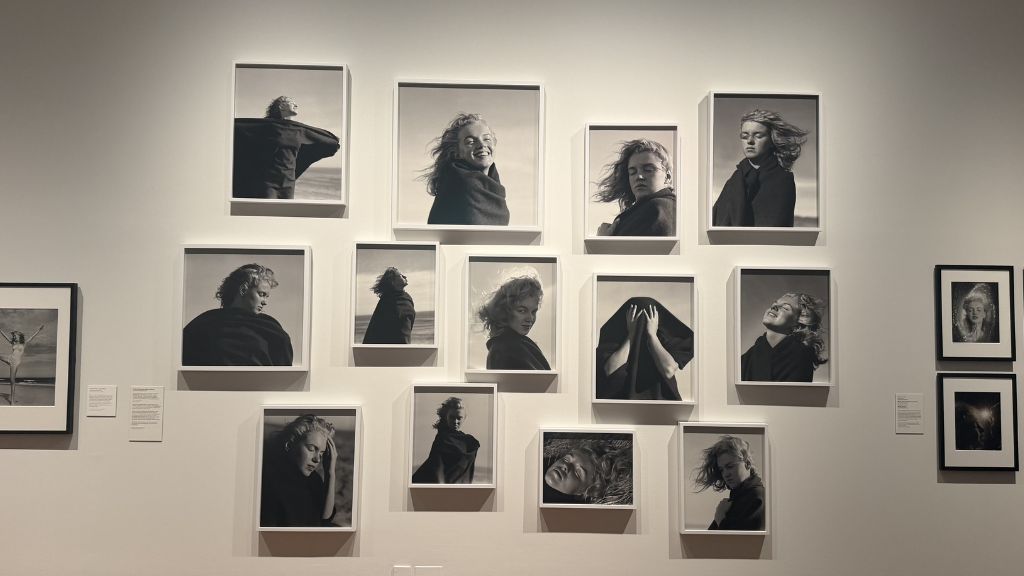
Photo: Afisha.London
And yet, moving from room to room, I found myself returning to an entirely different thought, one I could not quite shake. What struck me was not only the tragedy of her life, but the almost impossible physical beauty of this woman. Even today, in an age of aesthetic medicine, surgical lifts, endless cosmetic procedures and the era of Ozempic, Marilyn’s face feels almost divinely composed. The symmetry, the soft oval of her face, the fullness of her living cheeks, her full lips, flawless white teeth and extraordinary hair all feel astonishingly natural. Biographers do mention a minor early nose correction, but by contemporary standards what is most striking about her beauty is precisely its organic wholeness. She was not a manufactured beauty. She was real. And perhaps that is exactly what continues to hypnotise viewers to this day.

The final rooms of the exhibition are emotionally the most difficult. The curators make a visible effort to move away from the familiar voyeuristic male gaze and from the endless exploitation of Monroe as a sex symbol, and to some extent they succeed. But there is no escaping Marilyn’s story itself. What remains before us is still a woman who became a victim of her time, of the industry, of fame and, in some sense, of her own perfection.
Read also: Ivan Bunin in London: scandalous affairs, Nobel fame and recognition in exile
-
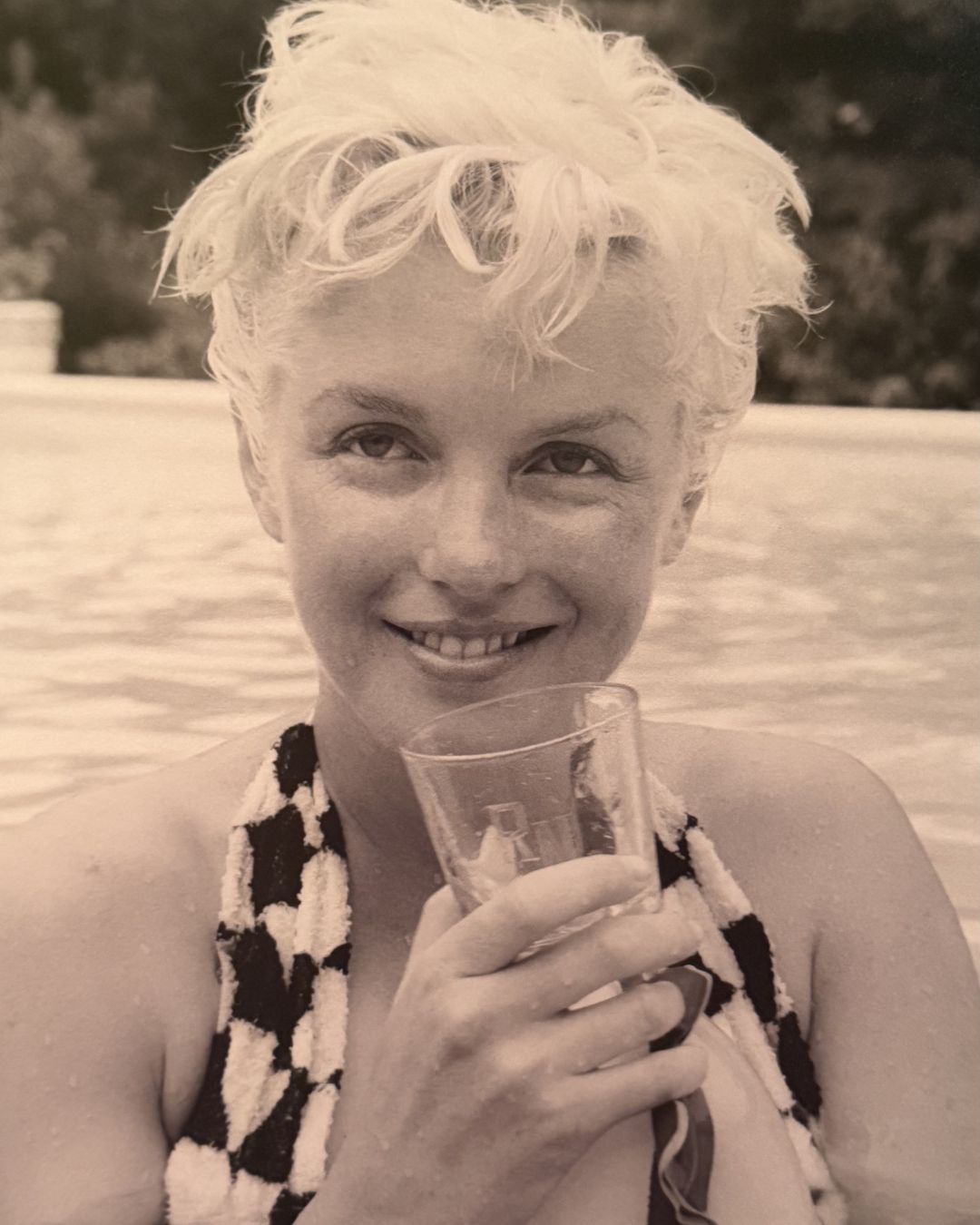
- Photo: Exhibition Marilyn Monroe: A Portrait, by Afisha.London
-
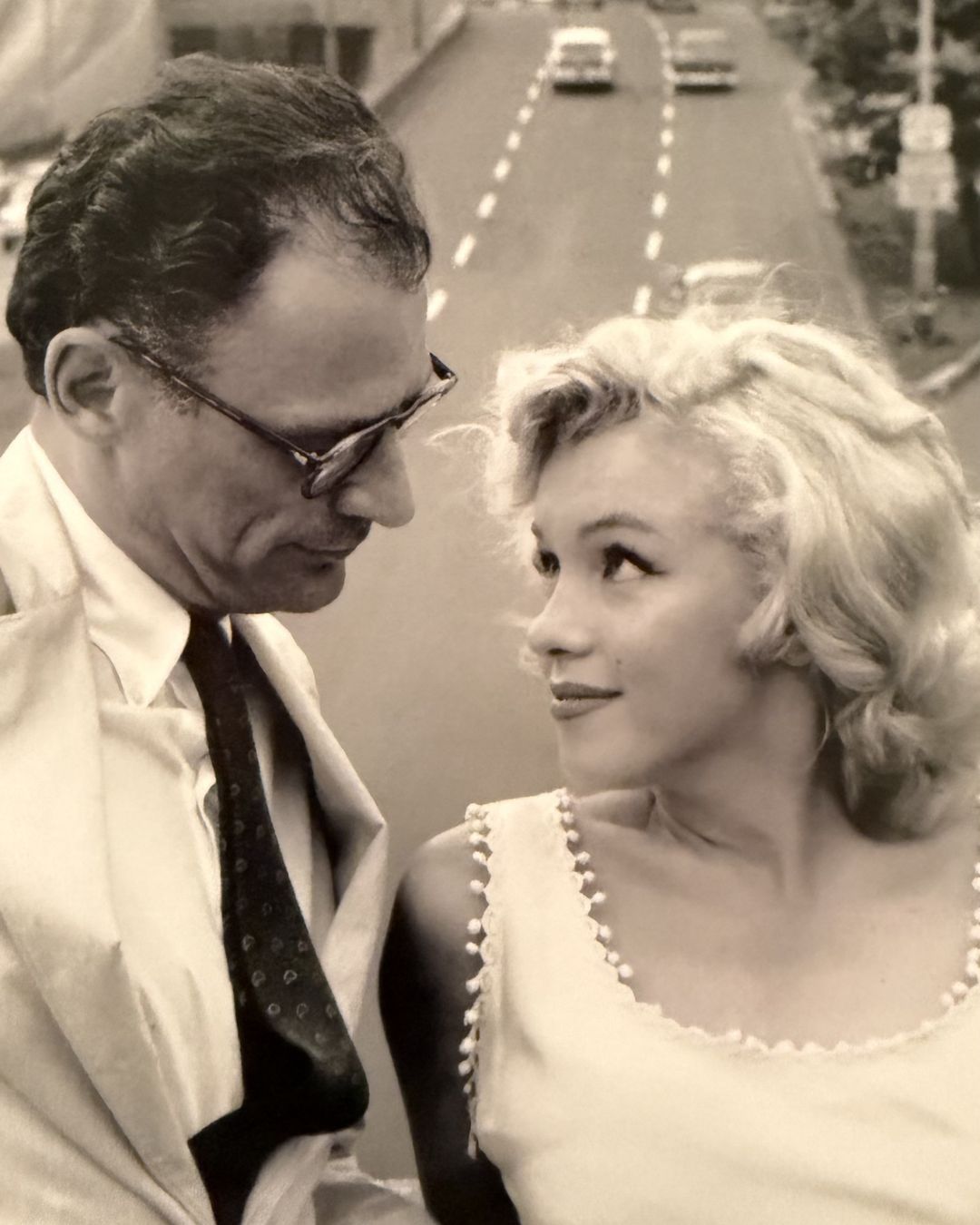
- Photo: Exhibition Marilyn Monroe: A Portrait, by Afisha.London
-
- Photo: Exhibition Marilyn Monroe: A Portrait, by Afisha.London
-
- Photo: Exhibition Marilyn Monroe: A Portrait, by Afisha.London
This is unquestionably a superb exhibition — powerful, intelligent, beautifully assembled and absolutely worth seeing. But it would be impossible to call it joyful. On the contrary, one leaves the gallery with a heavy heart, filled with deep sympathy for a woman whom the world never truly allowed to rest. Even a century later, we continue to look at her, interpret her, analyse her, claim her and reduce her to symbols, myths and archetypes. We continue taking something from her — her image, her style, her magic, perhaps even her very self.
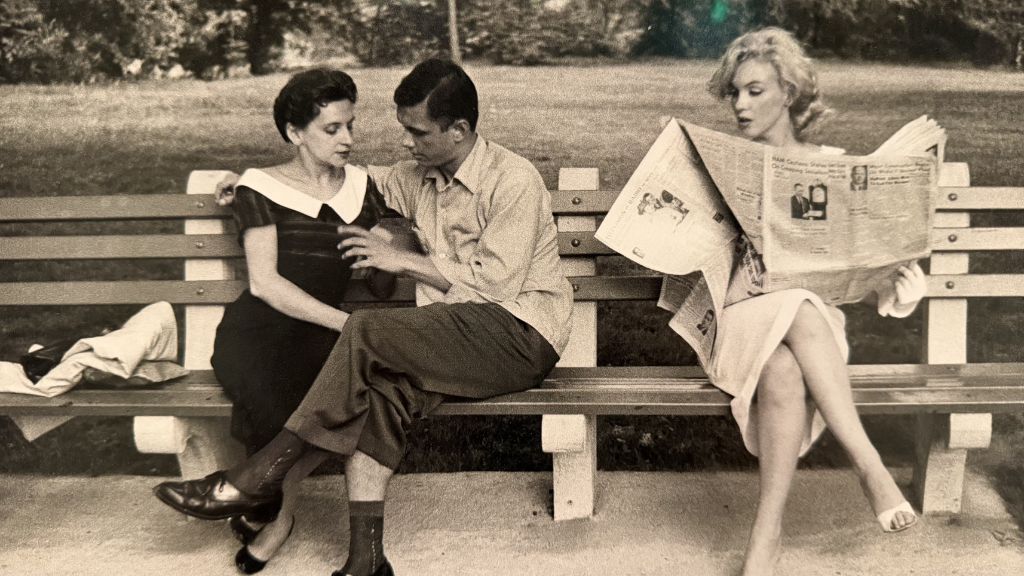
Photo: Exhibition Marilyn Monroe: A Portrait, by Afisha.London
And inevitably, one uncomfortable question remains. Can we still feel pure, uncomplicated joy at Marilyn’s luminous smile on screen if we truly understand the price at which that smile was created? Perhaps that is the exhibition’s greatest achievement. It does not dismantle the myth of Marilyn Monroe. Instead, it makes that myth even more tragic.
Cover photo: Afisha.London, ‘Marylin Monro: A portriat exhibition’

Read also:
UK museum charges: Britain debates the future of free access
“Swan Lake”: how Tchaikovsky’s ballet became a symbol of protest
Holding on to language: the rise of Russian libraries in Britain
Related Articles




SUBSCRIBE
Receive our digest once a week with quality Russian events and articles