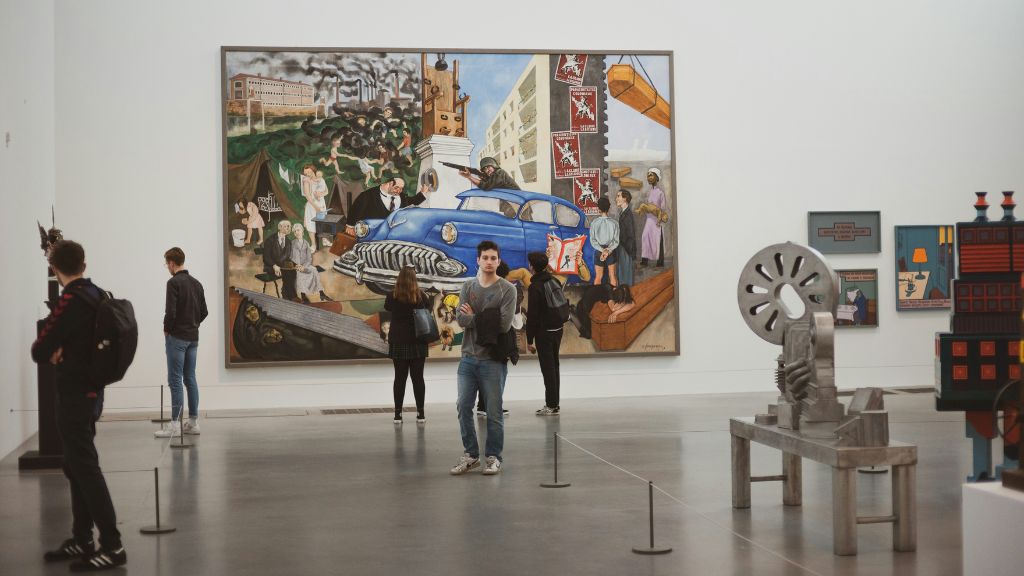
UK museum charges: Britain debates the future of free access
The British government is seriously weighing an idea that could reshape the country’s cultural landscape: charging overseas visitors to enter its national museums. The institutions in the firing line are ones that have stayed free for everyone for decades — the British Museum, Tate, the Victoria and Albert Museum and the National Gallery. A ticket could cost between £15 and £20, while the Treasury stands to gain as much as £350m a year. But the louder the numbers, the more questions arise within the cultural sector. Afisha.London takes a closer look.
This article is also available in Russian.
What’s behind the idea
The reform, according to sources, is being driven not by the Department for Culture, Media and Sport (DCMS) but by the Treasury: in an age of budget deficits, the prospect of charging guests looks tempting. The logic is simple — if Britons pay to enter the Louvre, why should foreigners walk into Tate for free? The revenue would be channelled into arts and education programmes in the regions, broadening access to culture across the country. Yet the whole scheme hinges on a single condition: a universal system of digital identification capable of telling a local apart from a tourist. The snag is that Britain has no mandatory ID cards, and the government quietly shelved its own digital ID plans a few months ago.

Museums are wary
There is little enthusiasm within the institutions themselves. The V&A has said it is not inclined to support charging and would prefer other sources of funding — for instance, redistributing the proceeds of a future hotel-stay levy. Tate takes a similar view. The DCMS stresses that no final decision has been made, and that it intends to set out a revised position together with the sector before the end of the year.
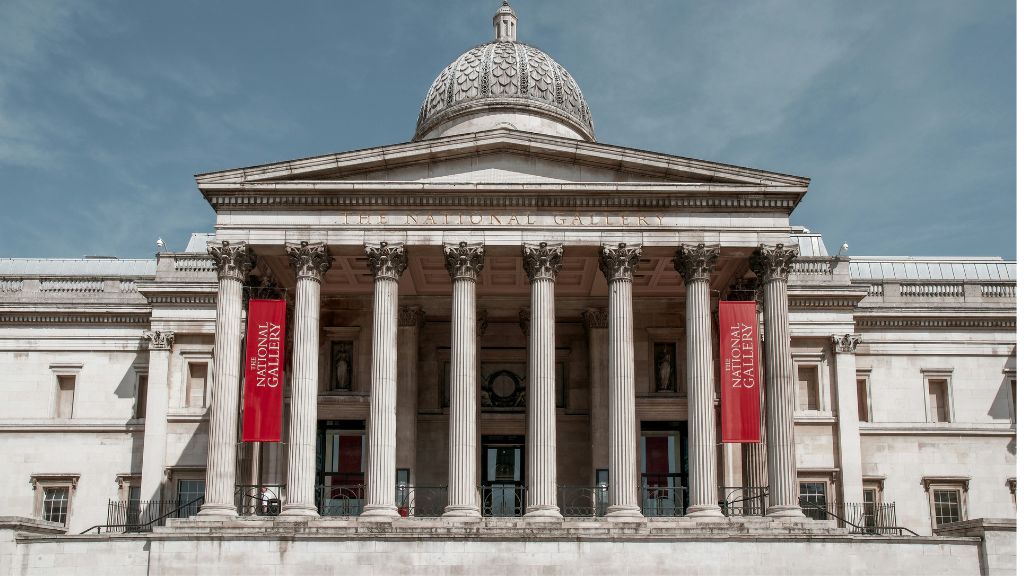
Photo: Mitchell Henderson / Unsplash
The pitfalls
Art historian Bendor Grosvenor, writing in his column for The Art Newspaper, calls the plan a non-starter. In retail there is a notion known as «threshold resistance» — the invisible barrier that stops a person from stepping into a shop. A charge, he argues, would dig the same kind of moat around museums: over two decades of free access, audiences have grown by roughly 40%, and all of that could easily be lost. More damaging still is the prospect of a split. The wealthy National Gallery, which has never charged anyone, would stay free, while less well-off museums would not. The result would be a two-tier system, and after the nationals, regional civic museums could find themselves charging too.

Where’s the money going?
Grosvenor points to something else: the issue is not so much a shortage of money as where it goes. Government funding for national museums has actually risen in real terms over twenty years — yet costs have soared. The National Gallery’s annual budget has climbed from £25m in 2005/06 to £65m in 2024/25, an increase of more than 60% in real terms. Museums, the historian argues, remain the last great unreformed public service, running much as their 19th-century founders would recognise. Before charging visitors, it would be worth asking why it costs so much simply to open the doors.
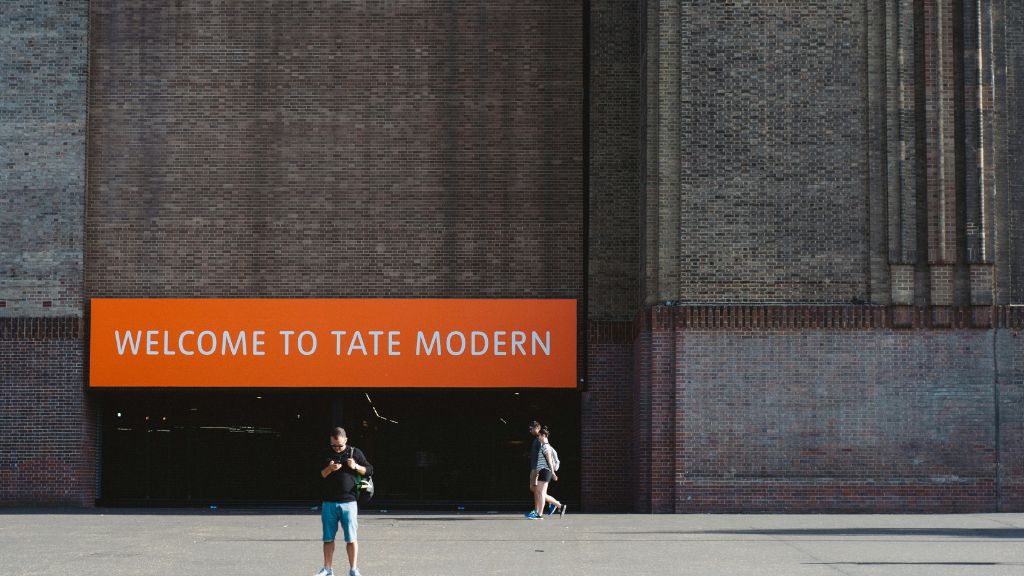
Photo: Clifford / Unsplash
What’s at stake
Today overseas visitors make up around 43% of the audience at Britain’s largest museums — roughly 17.5 million people a year. Experts fear a charge would hit tourist numbers, all the more so given that many institutions have yet to return to their pre-pandemic figures. And all of this is unfolding against rising competition: London’s museums still hold their place in the world’s top ten, but new centres in Asia and the Middle East are gathering pace ever faster. The debate over whether art in Britain will stay free for everyone is only just heating up.
Cover photo: James Genchi / Unsplash

Read also:
10 unexpected summer paintings in art, from Monet to Levitan
“Swan Lake”: how Tchaikovsky’s ballet became a symbol of protest
Holding on to language: the rise of Russian libraries in Britain
Related Articles



SUBSCRIBE
Receive our digest once a week with quality Russian events and articles