Elsa Schiaparelli: from Italian aristocrat to fashion’s boldest visionary
The shoe hat, clawed gloves and her signature shocking pink — Elsa Schiaparelli left an unforgettable mark on the world of fashion. She was Coco Chanel’s greatest rival and Salvador Dalí’s close friend, dressed women in accessories shaped like flies and beetles, and became the first couturier to embrace the zip as a fashion detail. Afisha.London explores the audacious world of this Italian aristocrat and rebel, who transformed herself from a single mother into one of the defining designers of the 20th century.
This article is also available in Russian here
How rebellion brought Elsa to London
The future queen of fashion was born on 10 September 1890 in a Roman palazzo, into one of Italy’s most distinguished families. Her mother, Maria Luisa, was a Neapolitan aristocrat and a descendant of the legendary Medici family. Her father, Celestino, was a scholar, while her uncle, Giovanni Schiaparelli, was one of Europe’s leading astronomers, working at the observatory in Milan and serving as a member of the Royal Society in London.
From birth, Elsa encountered rejection within her own family. Her arrival had not been planned — her parents were expecting a boy and had already chosen a name. When a girl was born instead, everyone was thrown into confusion, except the nanny, who suggested naming the baby Elsa.

Childhood offered little comfort. Her mother constantly compared Elsa to her prettier younger sister, repeatedly telling her she was unattractive. Desperate, imaginative and fiercely resourceful, young Elsa became obsessed with making herself beautiful. At one point, she swallowed flower seeds, poured water over herself and waited for blossoms to grow from her body. The experiment ended, unsurprisingly, with an urgent visit from a doctor. But this was hardly the end of Elsa’s attempts to challenge reality. She once tried to fly, jumping from the second floor of the family home into a pile of manure below, escaping with little more than bruises. At fourteen, she scandalised her parents yet again by publishing a collection of erotic poetry titled Arethusa.
Read also: The most beautiful and saddest exhibition in London: Marilyn Monroe — 100 Years!
-
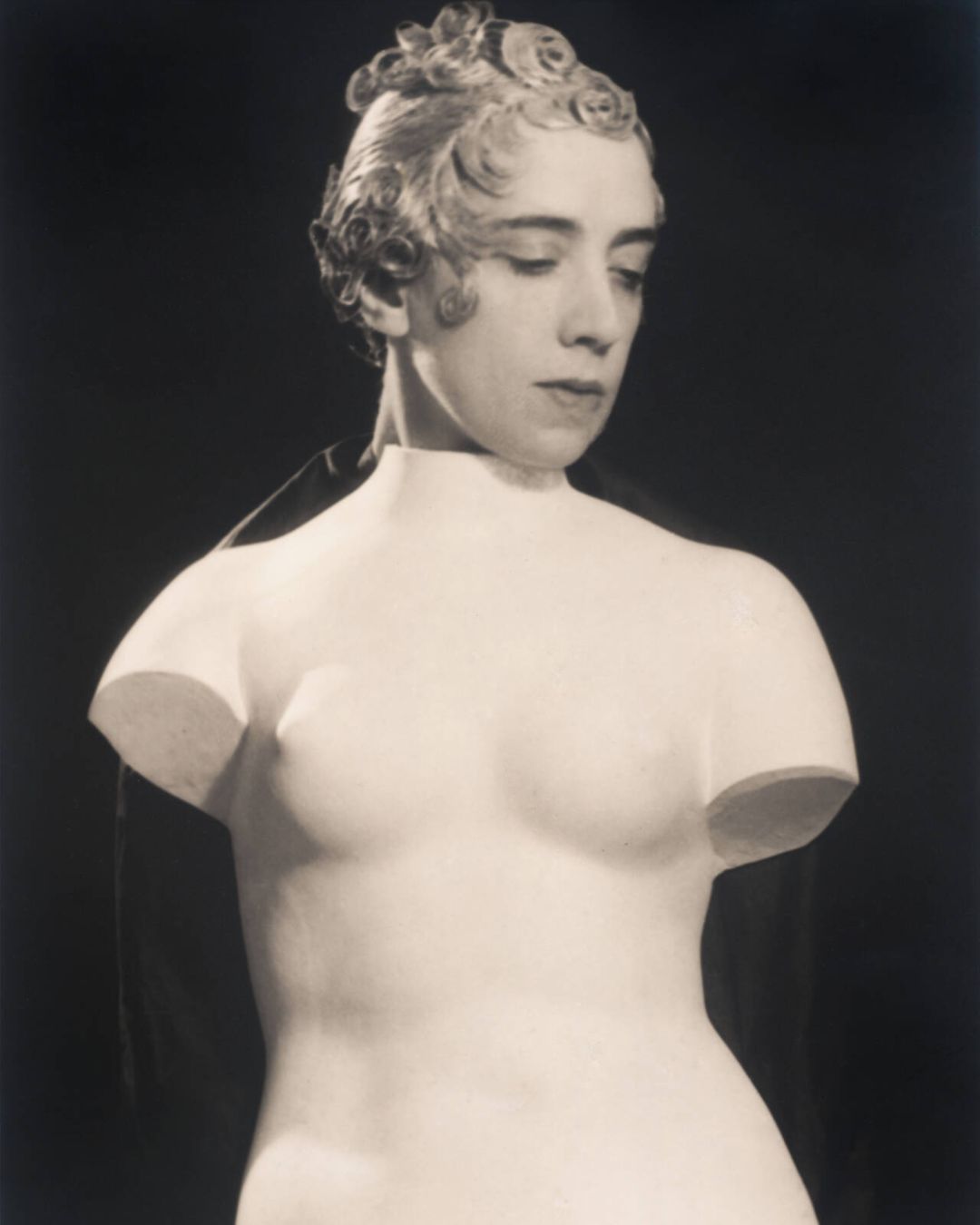
- Photo: Portrait of Elsa Schiaparelli, by Man Ray, 1933 / © Man Ray 2015 Trust. DACS, London. Photo Collection SFMOMA. The Helen Crocker Russell and William H. and Ethel W. Crocker Family Funds purchase © Victoria and Albert Museum, London, 2026
-
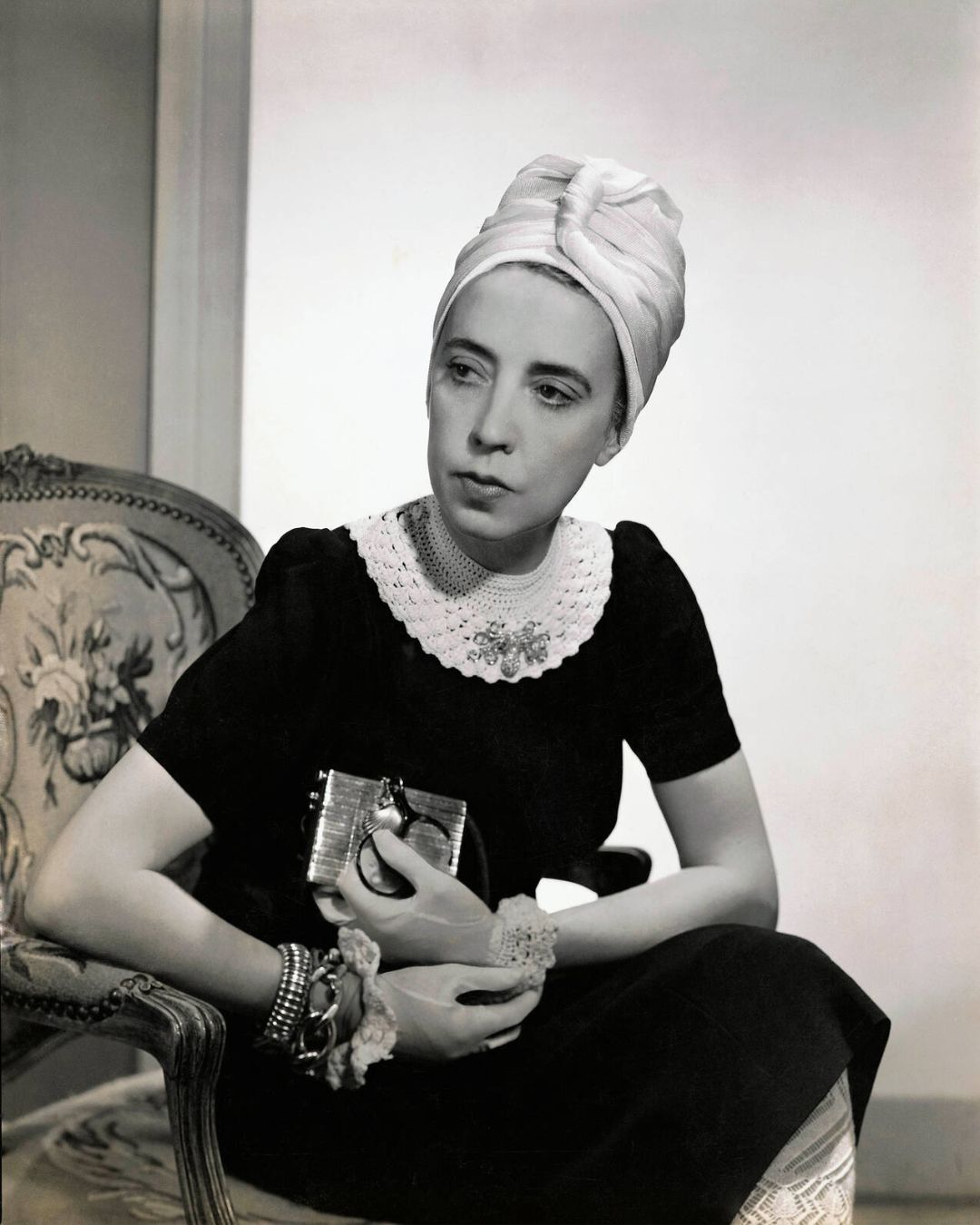
- Photo: Designer Elsa Schiaparelli / © Condé Nast via Getty Images / © Victoria and Albert Museum, London, 2026
In an attempt to suppress her rebellious nature, her parents sent her to boarding school in Switzerland. The proud teenager responded with a hunger strike and was eventually brought home. The final breaking point came when her parents tried to arrange a marriage with a man she had no desire to marry. Refusing to surrender, Elsa fled to London in 1913.
In the British capital, Schiaparelli worked as a governess for an aristocratic English household and attended lectures on theosophy. There she met her future husband — the mysterious and charismatic Count Wilhelm de Kerlor, a man involved in fortune-telling and spiritual séances, which fascinated the impressionable Elsa. The chemistry was immediate. The day after they met, they became a couple and announced their engagement. On 21 July 1914, they married.
Life in London, however, proved far beyond their means. Wilhelm earned little, and the couple largely survived on money Elsa’s mother sent from Italy. Matters deteriorated further when, in 1915, Wilhelm was convicted of fraud for fortune-telling. Forced to leave, the couple moved first to Paris and later to the United States. In the summer of 1920, their daughter Maria was born. Soon afterwards, de Kerlor abandoned Elsa, leaving her alone with a newborn child.
Strangely enough, this was the moment Schiaparelli’s journey towards becoming France’s leading couturier truly began.
-
- ‘Schiaparelli: Fashion Becomes Art’ at the V&A. Photo: Afisha.London
-
- ‘Schiaparelli: Fashion Becomes Art’ at the V&A. Photo: Afisha.London
Parisian society and the sweater that changed everything
What are the odds of a single mother with a newborn baby becoming one of the most influential fashion designers in history — and competing with Coco Chanel herself? Perhaps one chance in a million. Elsa took that chance in 1922, when she bought a ticket to France and returned to Paris.
Her aristocratic background worked in her favour, granting her access to the city’s upper circles. She also benefited enormously from her friendship with Gabriële Buffet-Picabia, wife of the surrealist painter Francis Picabia. Gabriële introduced Elsa to an extraordinary creative world populated by figures such as Man Ray, Marcel Duchamp and Edward Steichen.
Read also: Tom Stoppard: the playwright who redefined modern drama
‘Schiaparelli: Fashion Becomes Art’ at the V&A. Photo: Afisha.London
Another invaluable card up Schiaparelli’s sleeve was her friendship with Paul Poiret, then Paris’s most celebrated couturier. They met in his boutique, where Elsa arrived with friends. While the others tried on dresses, Elsa became mesmerised by one particular gown — though purchasing it was entirely out of the question. It was far too expensive. Poiret noticed her gaze, approached her, and offered the dress as a gift. From that moment, he became both mentor and close friend, generously gifting her designs and profoundly shaping her future in fashion. Schiaparelli’s first breakthrough came not from artistic ambition, but financial necessity.
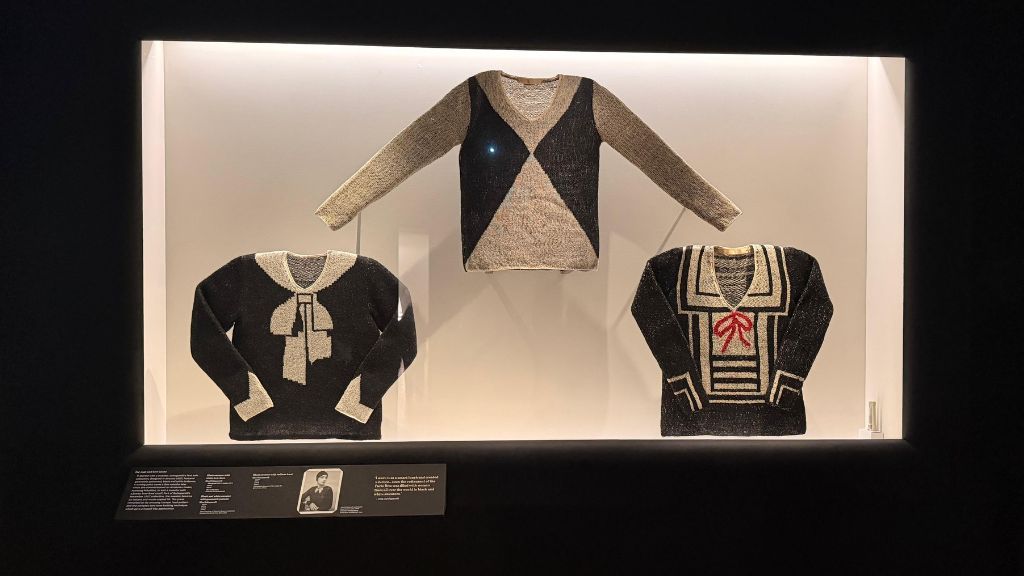
She noticed an unusual sweater on one of her friends and became immediately fascinated. It had been knitted by an Armenian woman living in Paris, Arusyak Mikaelian, known as Mike. Elsa tracked her down and commissioned a series of sweaters based on her own sketches. Her first design was simple yet startling: a black jumper with a trompe-l’œil white bow knitted into the neckline.
-
- ‘Schiaparelli: Fashion Becomes Art’ at the V&A. Photo: Afisha.London
-
- Duchess of Windsor by Cecil Beaton Photo: Courtesy of the Cecil Beaton Studio Archive at Sotheby’s
The effect was explosive. The first time Elsa wore it in Parisian society, it caused a sensation. Orders poured in overnight. Suddenly every fashionable woman wanted this black-and-white sweater. American buyers began requesting shipments of forty sweaters and matching skirts at a time, forcing Schiaparelli to hire more knitters to keep up with demand. By 1927, the now-iconic sweater appeared in the pages of Vogue and became a symbol of Parisian chic.
At the time, Coco Chanel dominated fashion with elegant, practical clothes, including knitwear. But Schiaparelli’s designs felt entirely different. This difference revealed the essence of their rivalry. Chanel favoured restraint and created clothes that made women resemble her. Elsa, by contrast, offered women permission to be strange, bold and singular.

The House of Schiaparelli and shocking pink
In December 1927, Elsa officially registered the House of Schiaparelli in Paris. At the same time, she faced tragedy in her private life: her daughter was diagnosed with cerebral palsy. Yet Schiaparelli devoted herself to Maria with such determination and care that Maria not only improved but later married and had children of her own.
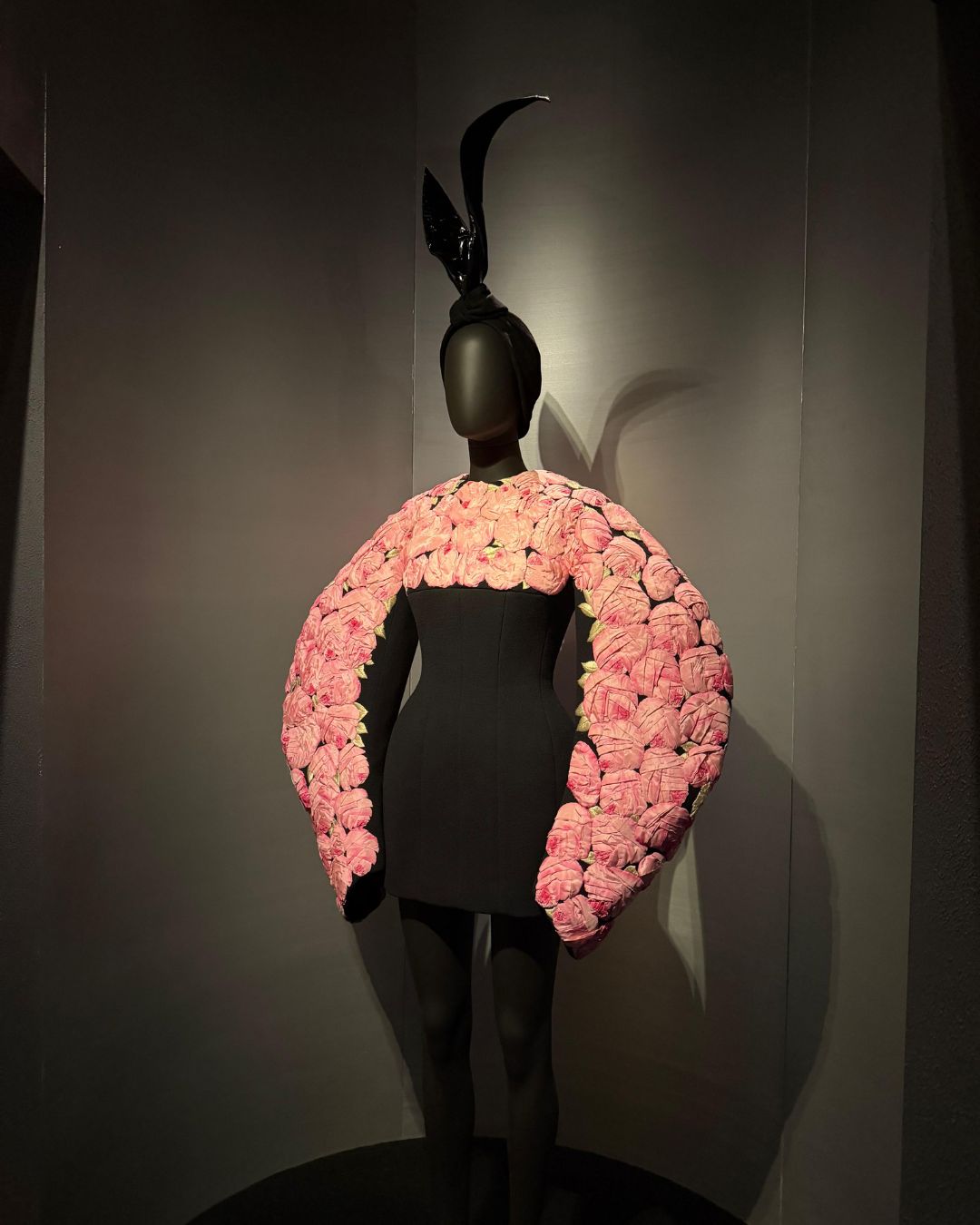
Elsa’s deep immersion in artistic circles profoundly shaped her design language. Her clothes became vivid, provocative, whimsical and fiercely independent — much like the woman herself. In Paris she became known simply as “Schiap”.
-
- ‘Schiaparelli: Fashion Becomes Art’ at the V&A. Photo: Afisha.London
-
- ‘Schiaparelli: Fashion Becomes Art’ at the V&A. Photo: Afisha.London
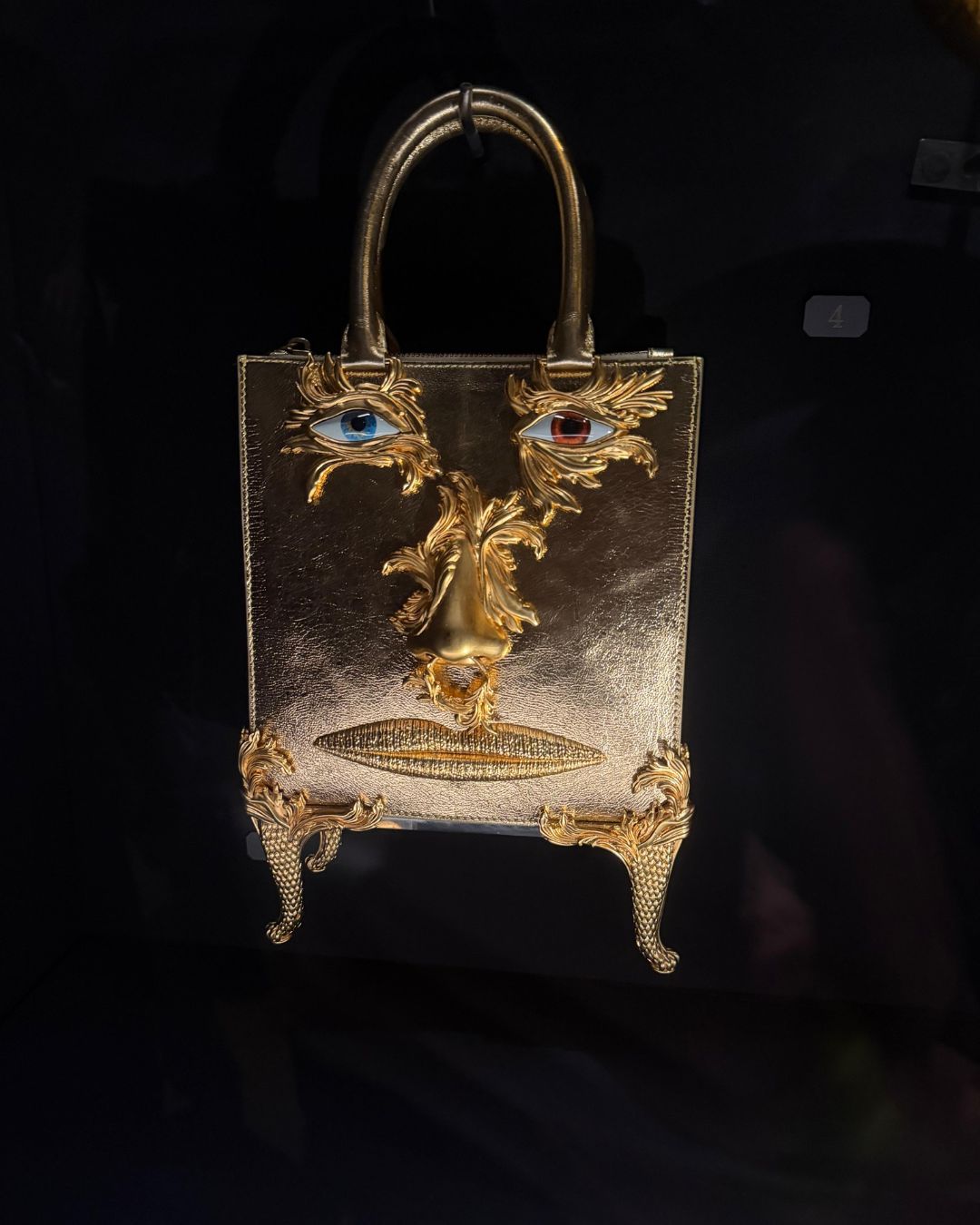
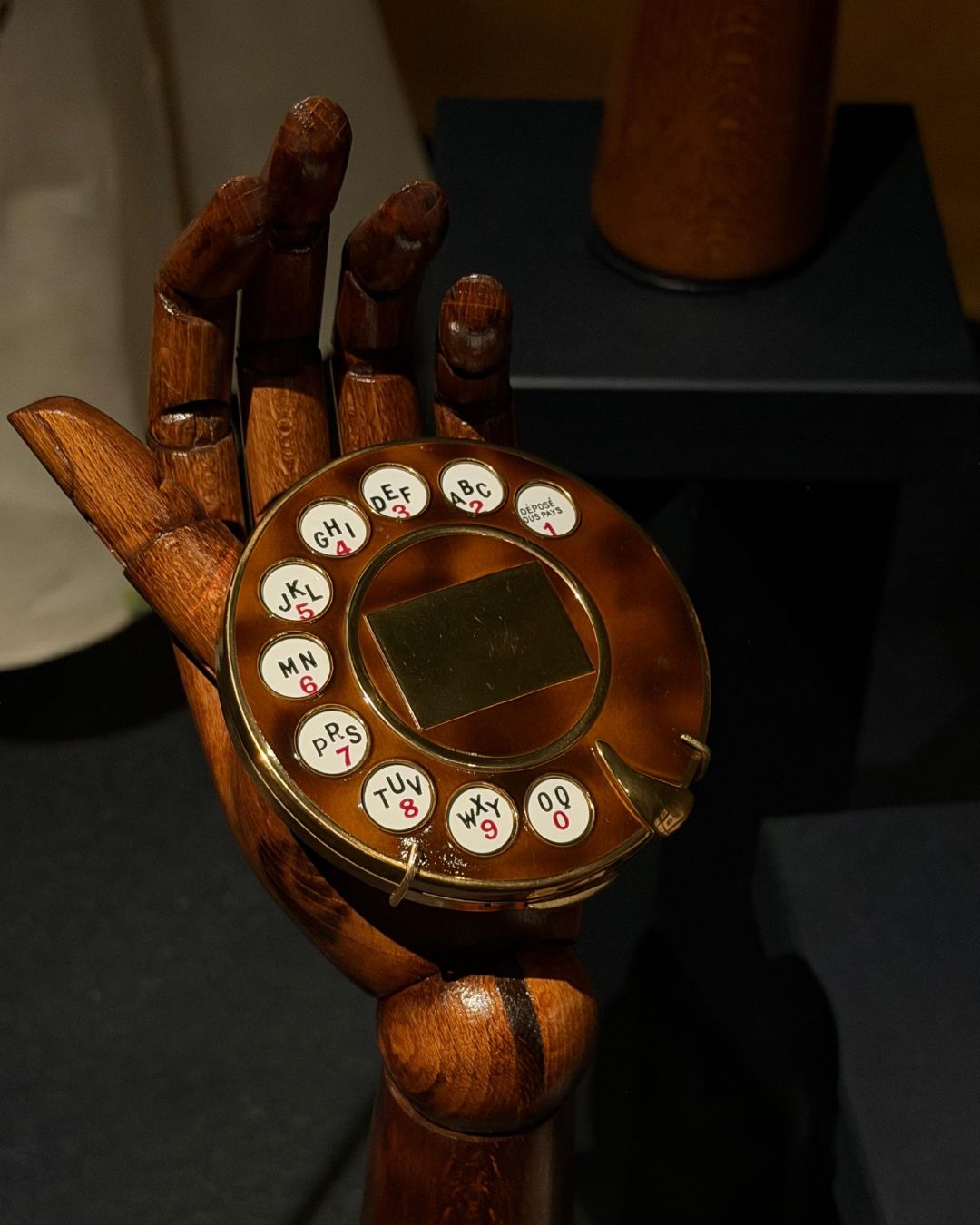
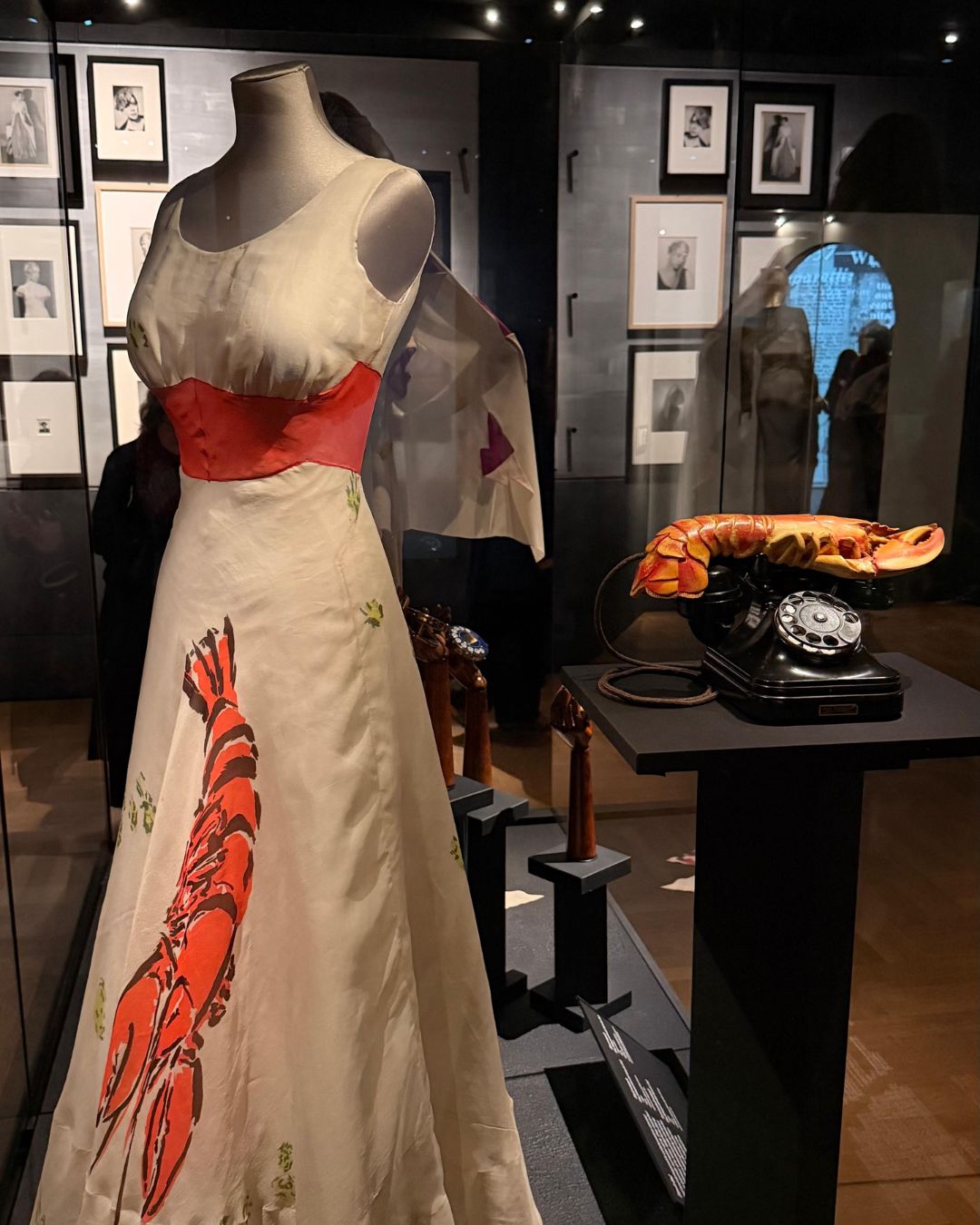
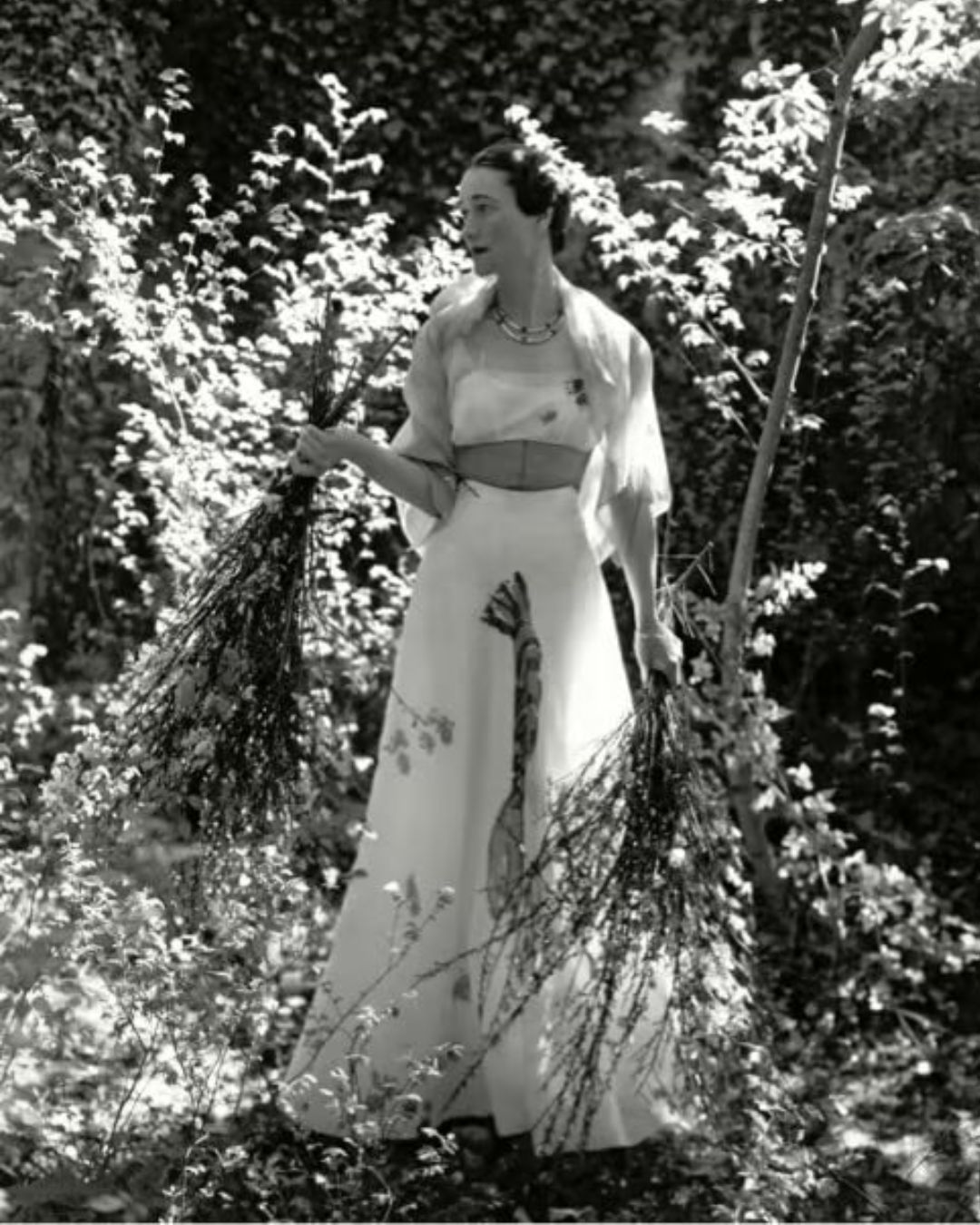
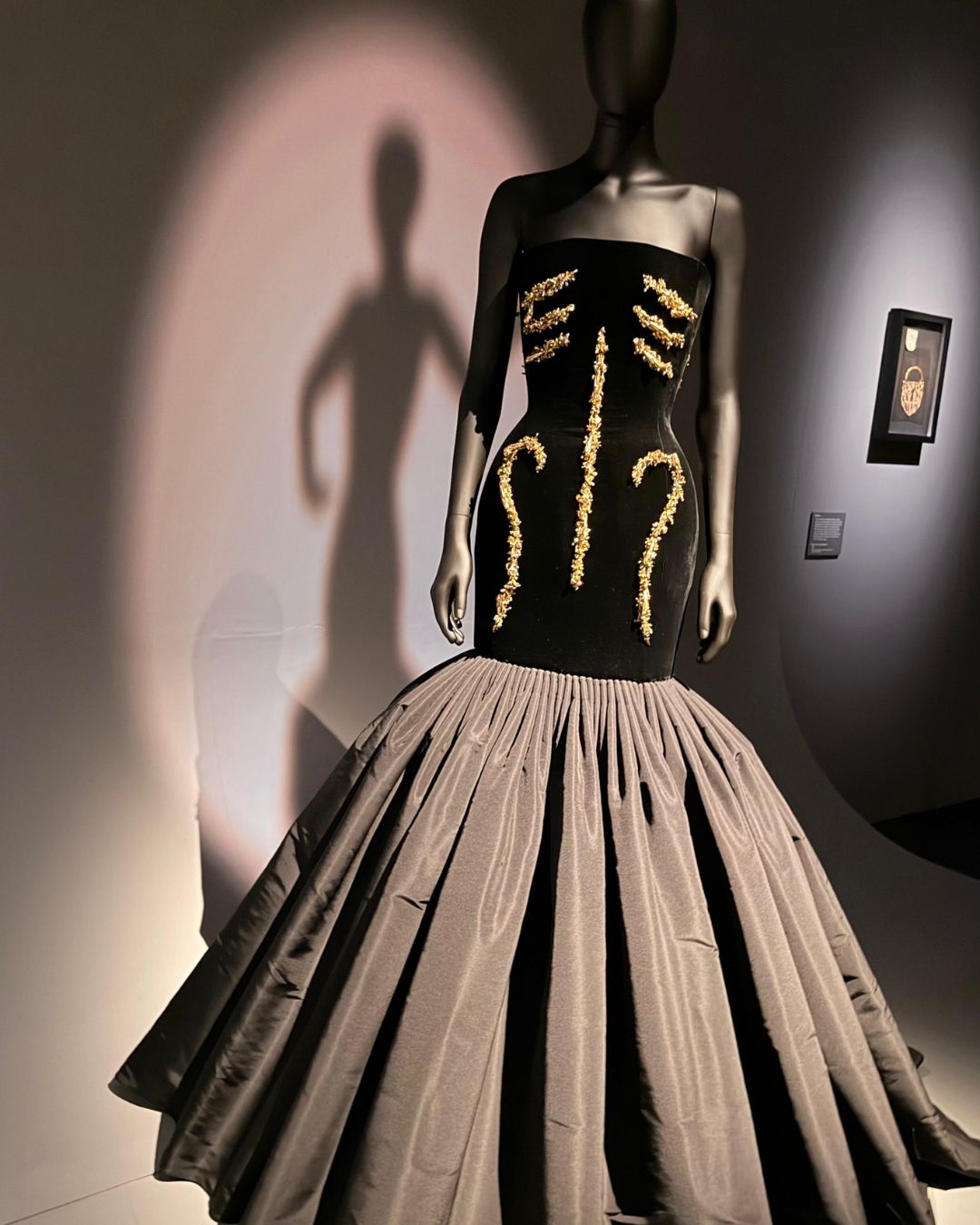
She was the first couturier to truly collaborate with artists, and her most brilliant partnership was with Salvador Dalí. Together they created some of fashion history’s most unforgettable objects: the shoe hat, the skeleton dress, the lobster gown, buttons shaped like sparkling beetles, fly brooches, early versions of shorts, and built-in bra cups. These were only a fraction of her daring inventions.
Yet perhaps Schiaparelli’s greatest creation was not a garment at all, but a colour. “Shocking Pink” became the defining shade of her brand and boutique. Fascinated by the East since childhood, Elsa encountered this extraordinary hue and instantly claimed it as her own. In her autobiography Shocking Life, she described it as brilliant, impossible, impudent, captivating, life-giving — a colour like light itself, containing all the birds and fish in the world, the colour of China and Peru, utterly non-Western, shocking, intense. The shade became inseparable from Schiaparelli.

She designed costumes for 27 films and created striking looks for major stars. Marlene Dietrich wore lavish Schiaparelli creations, while Mae West commissioned spectacular costumes for Every Day’s a Holiday. Schiaparelli’s saturated colour palette stood in deliberate contrast to the visual philosophy of her greatest rival. Chanel chose black. Elsa chose impact.
Schiaparelli’s popularity peaked in the 1930s. In 1934, she opened a luxurious boutique on Place Vendôme in Paris, while from 1933 she also operated a ready-to-wear atelier and boutique in London. These stores were revolutionary in haute couture, where clothing had traditionally been made exclusively to order. She also pioneered another innovation: the zip in women’s sportswear and dresses. Until then, zips had largely been confined to military clothing.
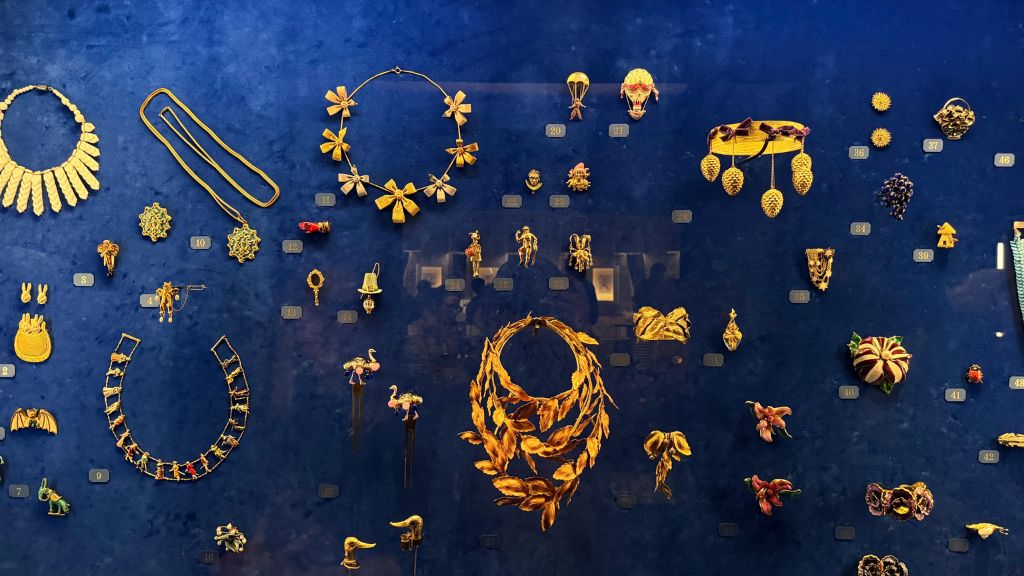
‘Schiaparelli: Fashion Becomes Art’ at the V&A. Photo: Afisha.London
In 1935, Elsa travelled to the USSR as part of a trade delegation and even designed a black coat and elegant dress with a pocket for Soviet women. Soviet censorship rejected the design: the playful pocket was deemed too convenient for pickpockets on public transport.
Then came the Second World War. Like many couturiers, Schiaparelli’s business suffered severely. Material shortages and a lack of skilled cutters slowed production to a crawl. Elsa left for the United States to stay with her daughter, dedicating herself to volunteer work with the Red Cross and temporarily stepping away from fashion.
She returned to Paris in 1945 to discover her boutique had survived under American protection. American soldiers reportedly queued outside to buy gifts for their wives. In 1946, she launched her first postwar collection: practical women’s clothing designed to fit inside a small travel suitcase.

But fashion had changed. In 1947, Christian Dior unveiled the revolutionary New Look, offering women glamour, softness and floral femininity. Against this new mood, Schiaparelli’s surrealist boldness began to feel out of step.
By the early 1950s, the House of Schiaparelli was fading. On 13 December 1954, Elsa declared bankruptcy and closed her European business, though perfumes and accessories continued in the US. The great rebel died quietly in her sleep on 13 November 1973. Her legacy survived through two famous granddaughters: actress Marisa Berenson and photographer Berry Berenson, the latter tragically killed in the 11 September 2001 attacks in New York.
For half a century, the House of Schiaparelli slipped into near-obscurity, remembered mainly by devoted lovers of avant-garde fashion history. Its revival began in 2007, when Italian entrepreneur Diego Della Valle acquired the rights to the brand. In 2013, designer Christian Lacroix created a tribute collection honouring Elsa Schiaparelli, marking the triumphant return of the house to haute couture.
- The exhibition Schiaparelli: Fashion Becomes Art at the Victoria and Albert Museum runs until 8 November 2026.
Irina Latsio
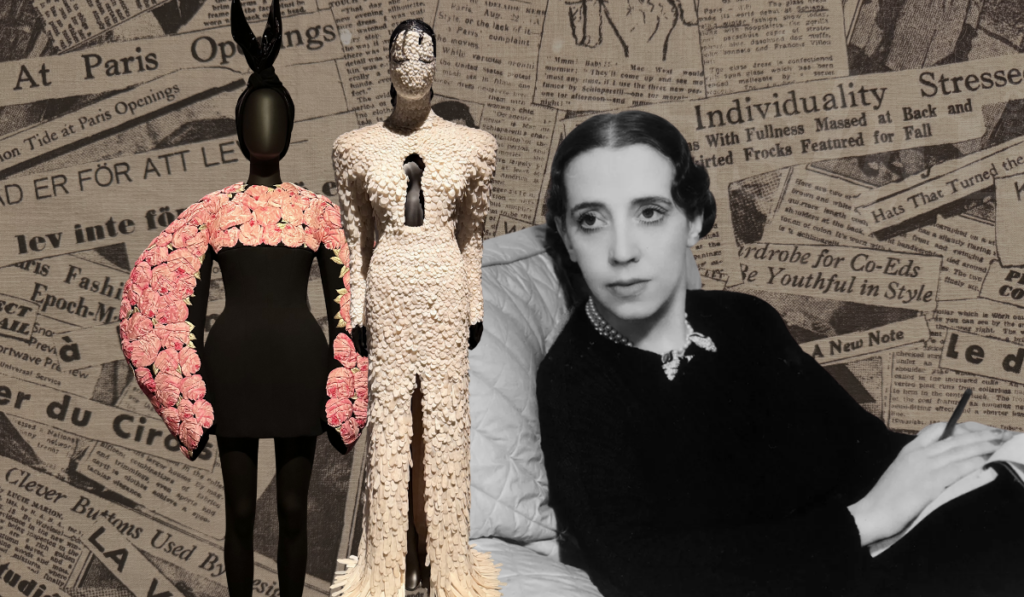
Cover photo: Afisha.London collage Elsa Schiaparelli

Read also:
UK museum charges: Britain debates the future of free access
“Swan Lake”: how Tchaikovsky’s ballet became a symbol of protest
Holding on to language: the rise of Russian libraries in Britain
Related Articles




SUBSCRIBE
Receive our digest once a week with quality Russian events and articles