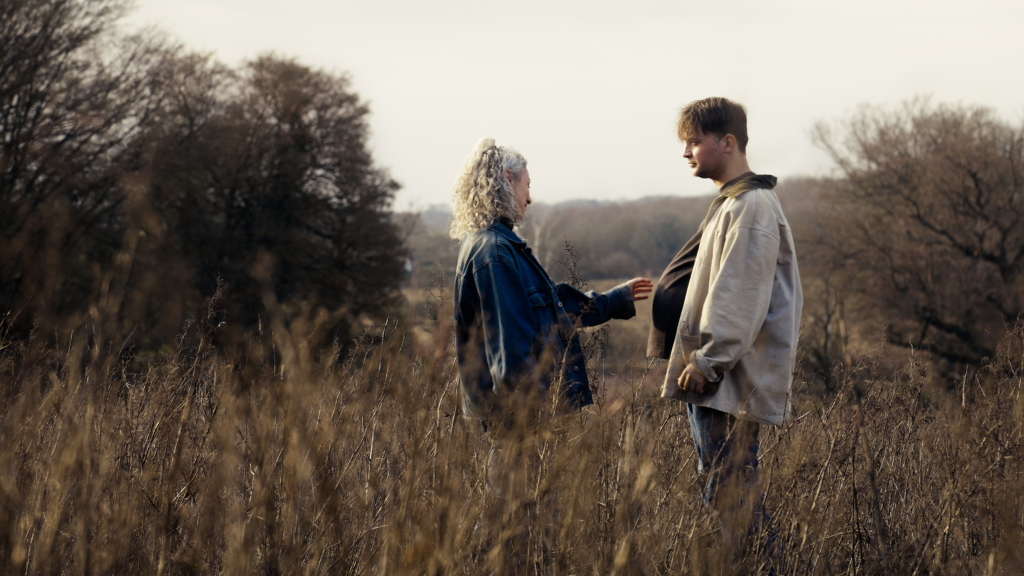
A body as a battlefield: London student film explores motherhood, fear and survival
Afisha.London speaks to the team behind Full of It, a new independent film project set in a dystopian world where men are forced to carry bio-fertiliser inside their bodies. Through this unsettling premise, the film explores bodily sacrifice, motherhood and the anxiety of bringing new life into an unstable world.
This article is also available in Russian here
Directed by Mikhail Somov, currently completing an MA in Film at the University of the Arts London, the project brings together an international creative team from the UK, the United States and China. The screenplay was written by British screenwriter Robyn Williams.
At the centre of the story are Evan and Ada, a couple struggling through an agricultural crisis after Evan joins a government programme that forces men to carry fertiliser in their stomachs for months at a time. Using elements of speculative fiction and body horror, the film rethinks themes traditionally connected to women’s physical experience and asks audiences to reflect on the respect owed to those who risk their bodies in childbirth.

Somov has worked in short films, music videos and video art for more than nine years. His previous projects include the award-winning music video On the Other Side of the River, alongside experimental works exhibited internationally.
The creators say the film was born from a desire to reflect on uncertainty, fear and human vulnerability in a time marked by global crises. The team has now launched a crowdfunding campaign and is currently seeking support in London, including filming locations, transport assistance and volunteers interested in appearing as extras.
- More information about the project can be found on Instagram: @fullofit_film.
- Crowdfunding
Cover photo: @fullofit_film

Read also:
“Swan Lake”: how Tchaikovsky’s ballet became a symbol of protest
Related Articles

SUBSCRIBE
Receive our digest once a week with quality Russian events and articles