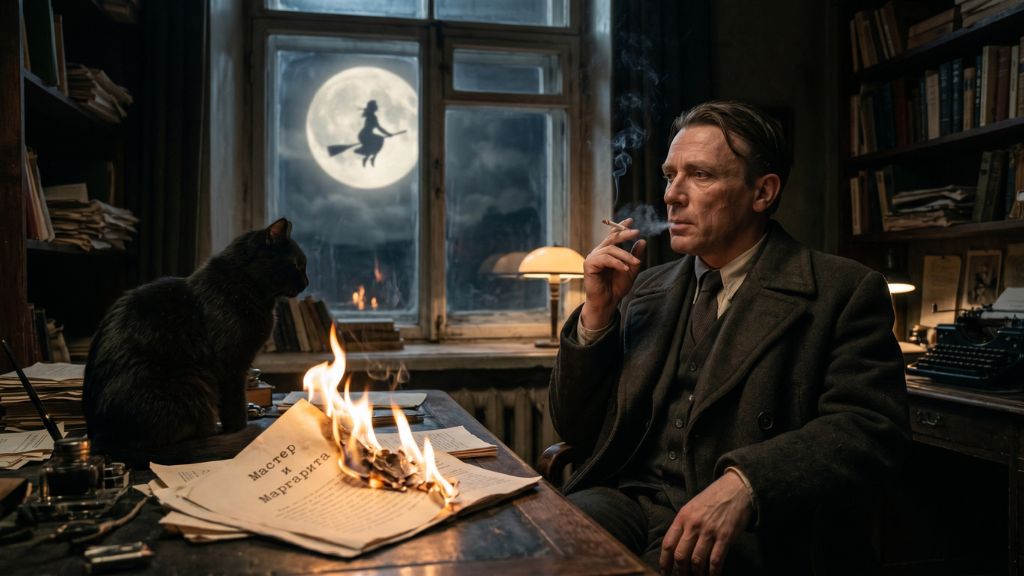
Mikhail Bulgakov: how the author of The Master and Margarita spoke to Stalin and lost his chance to leave the USSR
Mikhail Bulgakov had several opportunities to leave Russia for good, yet each time fate seemed to keep him within the Soviet Union. He survived a morphine addiction, relentless attacks from the Soviet authorities, a personal telephone call from Joseph Stalin, and went on to create a novel that, nearly a century later, remains one of the most enigmatic works in Russian literature.
To mark the 135th anniversary of Bulgakov’s birth, Afisha.London revisits the most dramatic episodes of the writer’s life: the years of censorship and inner turmoil, the story behind The Master and Margarita, and the women who became muses, companions and pillars of support during the darkest periods of his life.
This article is also available in Russian here
A medical degree and meeting Tatyana Lappa
The future writer was born in Kyiv on 15 May 1891. His father, Afanasy Ivanovich Bulgakov, a professor of theology, and his mother Varvara Mikhailovna, a grammar school teacher, named their son after the Archangel Michael, the heavenly protector of Kyiv. Misha was the eldest of seven children.
The Bulgakov household was known for its warmth, hospitality and deep reverence for books, art and open emotional expression. Years later, Bulgakov would immortalise the atmosphere of his childhood in The White Guard, while the family home on Andriyivskyy Descent would eventually become the famous Bulgakov Museum.
The household was ruled by what Bulgakov later affectionately described as its “bright queen” — his mother Varvara. She instilled in her children a love of music and painting, taught them foreign languages herself and transformed weekly family evenings into miniature theatrical performances. Through her influence, Bulgakov developed an enduring passion for theatre and opera. According to contemporaries, during his student years he attended performances of Faust more than forty times. At the age of thirty-seven, Varvara lost her husband. Yet despite being widowed with seven children, she succeeded in giving every one of them a university education.
-
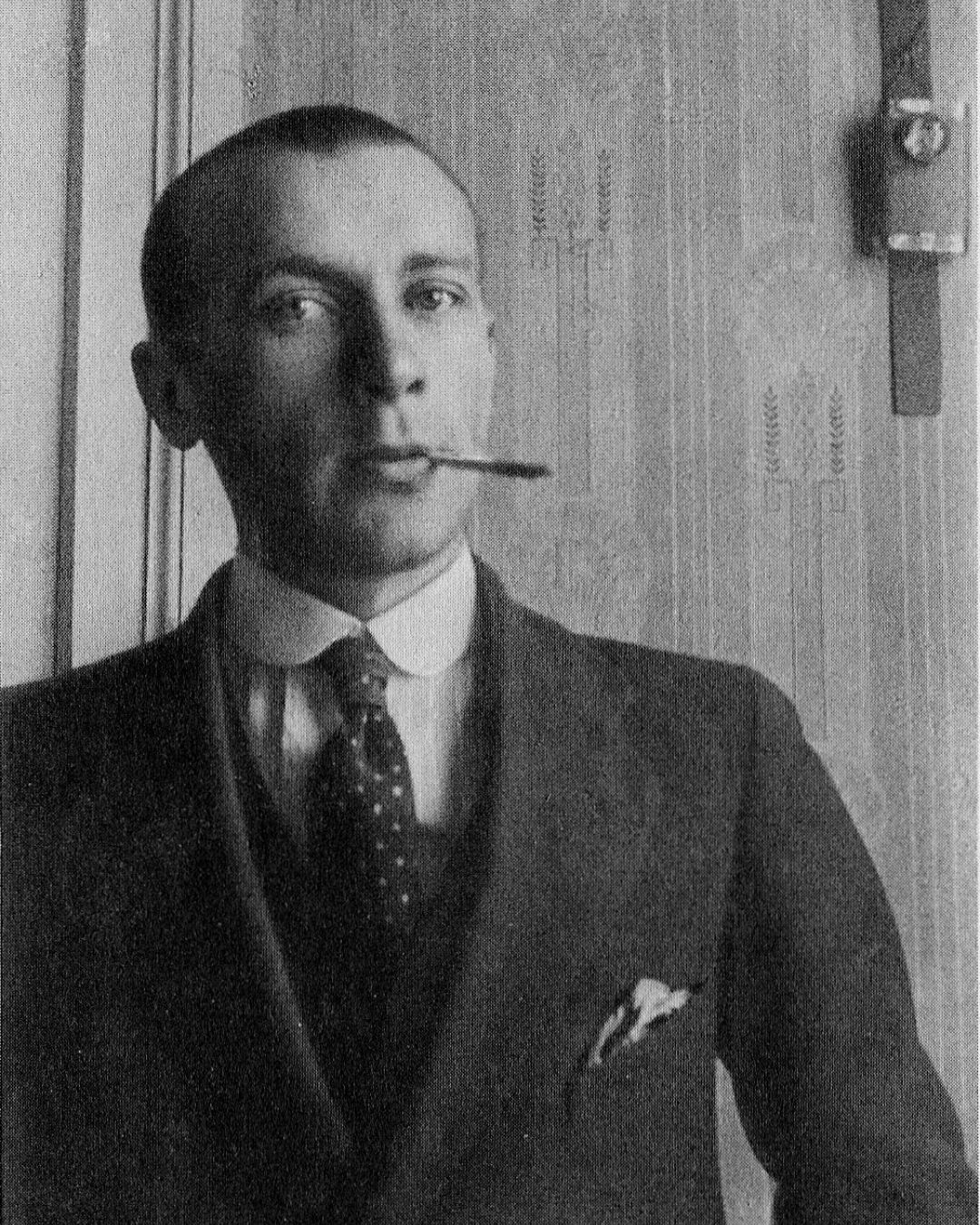
- Bulgakov during his student years, 1910s. Photo: Transferred from en.wikipedia, Public domain, via Wikimedia Commons
-
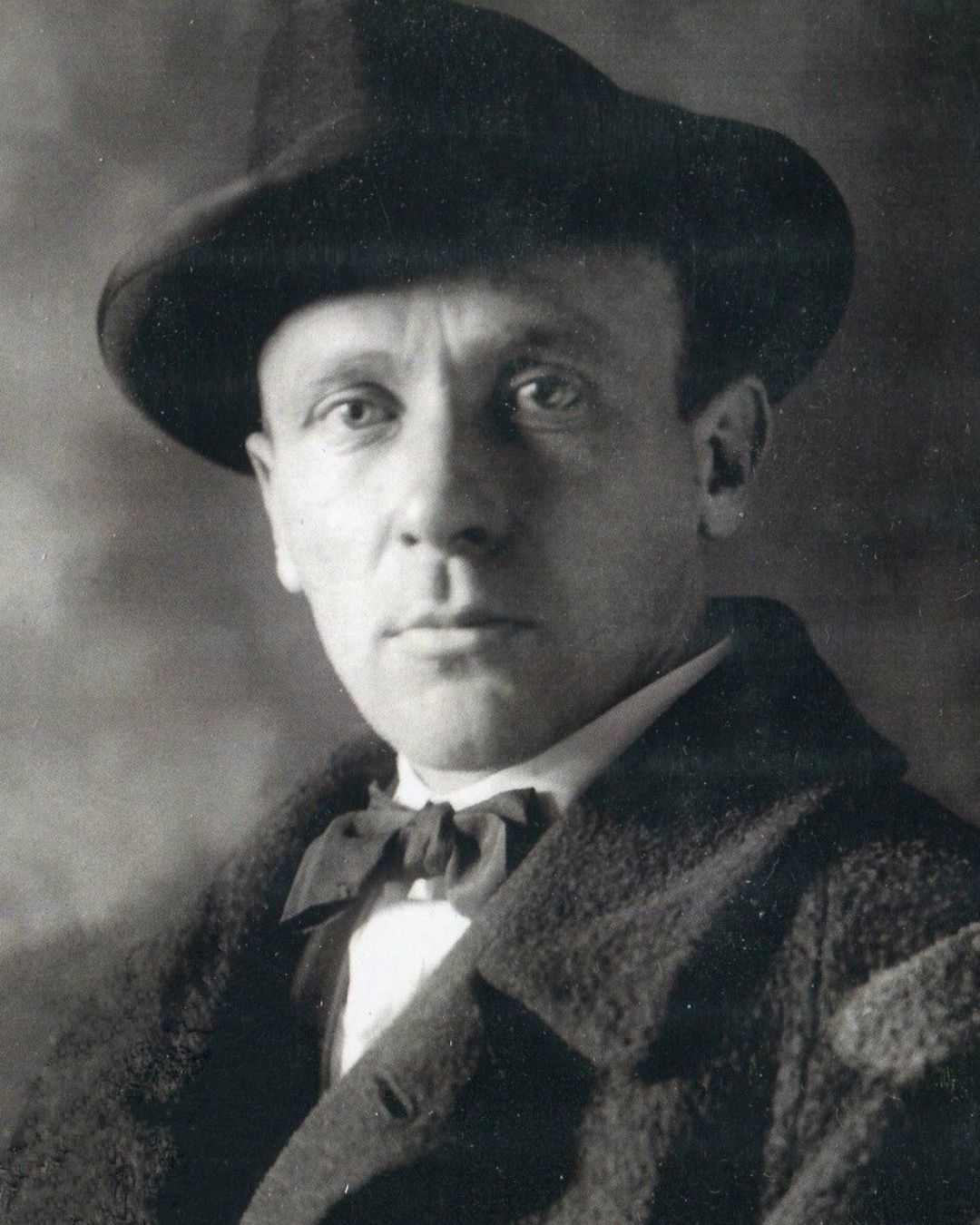
- 1928. Photo: Moisej Nappelbaum, Public domain, via Wikimedia Commons
Bulgakov the rebel and his first satires
In 1909 Bulgakov graduated from the First Kyiv Gymnasium, where classmates already remembered him for his biting wit and merciless satire. Writer Konstantin Paustovsky later recalled that Bulgakov had nicknamed the school headmaster “The Butter Churn”. The young Bulgakov was sternly reprimanded by Inspector Bodyansky, though, as Paustovsky observed, the inspector’s eyes were laughing — the nickname had evidently struck home.
That dangerous balance between irony and provocation would remain with Bulgakov throughout his life, as though he were constantly walking along the edge of a blade. His future works would combine satire, philosophy, mysticism and profound social observation, while countless phrases from his novels would pass into everyday speech and become part of Russian cultural memory.

Few people realise that Leonid Gaidai’s beloved Soviet comedy Ivan Vasilievich Changes Profession was based on Bulgakov’s own play Ivan Vasilievich. Yet at this point the future writer, despite his strong grounding in literature, philosophy and the humanities, chose to study medicine at Kyiv University.
His decision was entirely pragmatic: doctors earned good money. Ironically, medicine would ultimately cost Bulgakov far more than it ever gave him. During his years as a physician he developed an addiction to morphine, contracted typhus and repeatedly missed opportunities to emigrate abroad. Fate offered him several chances to leave Russia behind forever — and each time he let them slip away, something he would later regret bitterly.
Afisha.London magazine shares the best quotes from the film “Ivan Vasilievich Changes Profession”:
First love and the years of war
Bulgakov met his first wife, Tatyana Lappa, while still a schoolboy. Sixteen-year-old Tatyana had come from Saratov to visit relatives in Kyiv. It was, by all accounts, love at first sight. The young couple immediately wanted to marry, but their families objected. For several years they lived out a real-life version of Romeo and Juliet, separated by distance and longing, until Tatyana finally moved to Kyiv to study at the Higher Women’s Courses.
In 1913 they married. Tatyana would go on to share the harshest years of Bulgakov’s life: war, poverty and morphine addiction. Strong, resilient and deeply practical, she followed her husband through the chaos of the First World War and worked alongside him in military hospitals, helping surgeons amputate the limbs of wounded soldiers.
While working in a rural hospital in Smolensk province, Bulgakov treated a child suffering from diphtheria and, fearing infection himself, received a preventative injection. Severe complications followed, causing agonising pain that was relieved only by morphine.
Read also: Leo Tolstoy in London: shaping the british literary landscape
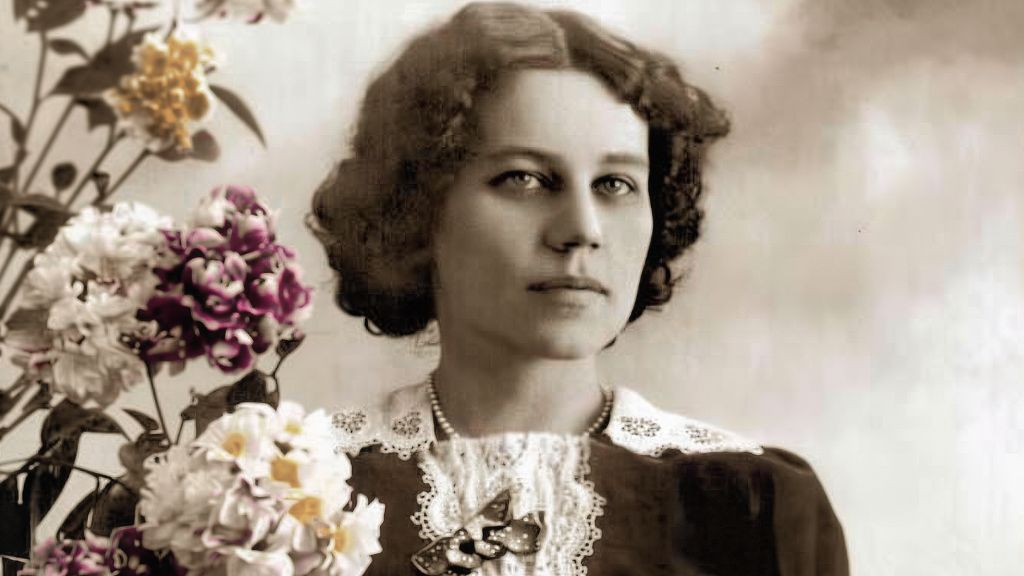
Tatyana Lappa. Photo restoration: Afisha.London
The addiction took hold with frightening speed, and Bulgakov ultimately managed to free himself from dependency largely thanks to Tatyana and one of his uncles, who secretly diluted the morphine ampoules she administered to him, gradually reducing the dosage until the drug finally loosened its grip.
Many believe Bulgakov ultimately overcame his addiction, though towards the end of his life he returned to morphine once more. He completed The Master and Margarita already confined to bed, and traces of morphine reportedly remained visible on the manuscript pages decades after his death.
A second wife and a ticket into Moscow’s literary society
In 1920 Bulgakov travelled to the Caucasus alongside the White Army forces and permanently abandoned medicine. He began writing revolutionary plays, publishing articles in local newspapers and the Communist newspaper Kommunist, while also planning to emigrate abroad together with the White émigrés.
Yet fate intervened once again when Bulgakov contracted typhus. For weeks he drifted between life and death while Tatyana nursed him back to health with extraordinary devotion, selling family jewellery simply to keep them alive. They survived on the money she received from pawning pieces of jewellery given to her by her mother.
Yet despite her loyalty and sacrifice, Tatyana never became the wife Bulgakov truly imagined for himself. He blamed her for not taking him to Constantinople while he lay delirious with fever — his first failed opportunity to leave Russia. Her practicality and domesticity, the very qualities that had kept them alive, increasingly irritated him. Bulgakov longed for a companion who belonged to the world of culture, theatre and literary society.
Read also: Dostoevsky in London and his influence on the British classics
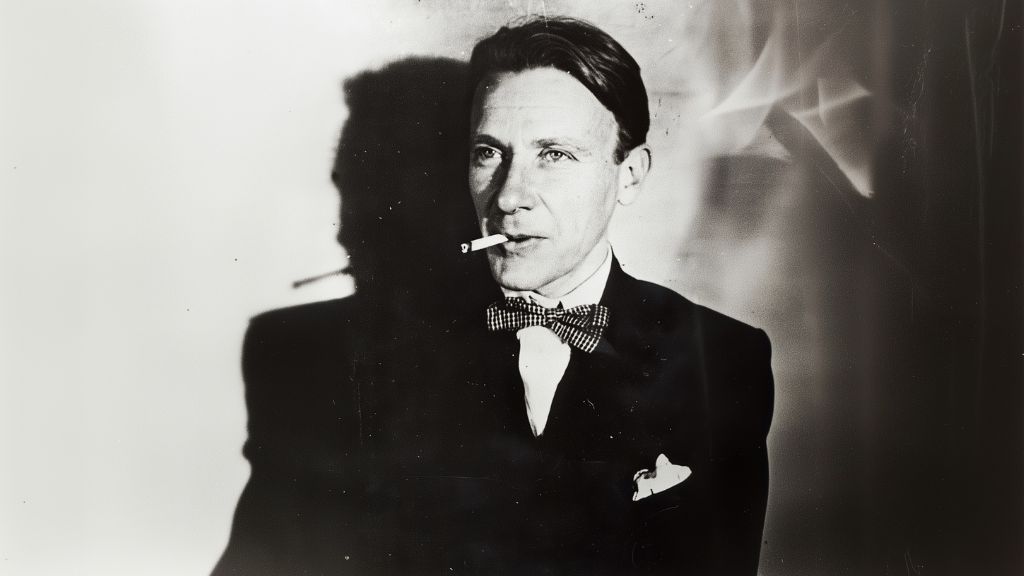
Bulgakov in 1923. Photo restoration: Afisha.London
In 1921 the couple moved to Moscow. Dressed in a threadbare fur coat and almost penniless, Bulgakov immersed himself in the city’s literary circles and began writing what would become one of his most famous novels: The White Guard.
Tatyana remained faithfully by his side, though she could already feel him drifting away. The final rupture came after Bulgakov met Lyubov Belozerskaya — glamorous, socially connected and deeply immersed in the artistic world he craved. Recently divorced and searching for a new life, she introduced Bulgakov to elite literary salons and quickly became everything he believed a great writer’s wife should be.
At one point Bulgakov even proposed that Tatyana and Lyubov should live together with him under the same roof, a suggestion Tatyana rejected outright. From that moment onward, their marriage quietly but irreversibly collapsed. In 1925 Bulgakov married Belozerskaya, though he continued to visit and financially support Tatyana. Yet he inflicted one final wound upon her.
That same year the literary magazine Rossiya published the first instalment of The White Guard. Bulgakov proudly brought the issue to show Tatyana, who had stood beside him while he wrote the novel between 1923 and 1924. Originally, the manuscript had been dedicated to her. But when Tatyana opened the magazine, she discovered the dedication had been changed. The novel was now dedicated to Lyubov Belozerskaya. Tatyana was devastated.
Bulgakov attempted to explain that Lyubov had simply asked for the dedication and he had been unable to refuse her. Only later would he fully understand the pain he had caused his first wife. Before his death he longed to ask Tatyana’s forgiveness, but by then she was living in Irkutsk and had remarried.
Read also: Ivan Turgenev’s Sojourn in London: a literary ambassador between the Russian Empire and the West
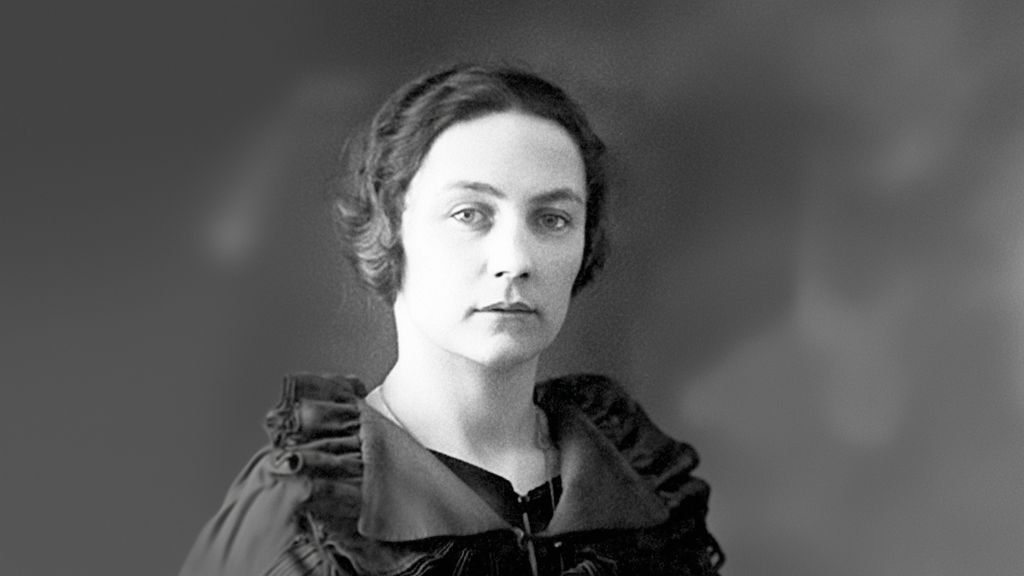
Lyubov Belozerskaya. Photo restoration: Afisha.London
Stalin’s phone call and the battle with Soviet censorship
Bulgakov’s literary career developed with extraordinary speed. At the beginning of the 1920s he survived by writing newspaper feuilletons and performing in fringe theatres. By the middle of the decade he had become one of the Soviet Union’s most talked-about playwrights.
Yet alongside success came ferocious criticism. Bulgakov himself later calculated that Soviet newspapers had published only three positive reviews of his work — compared with 298 hostile ones. In Heart of a Dog he immortalised his feelings about Soviet journalism through the now-famous words of Professor Preobrazhensky: “And for heaven’s sake, never read Soviet newspapers before dinner.”
Different editions of Heart of a Dog by Mikhail Bulgakov are available to buy online, including English-language editions and a Russian Kindle version:
Heart of a Dog — English edition
Heart of a Dog — alternative English edition
Собачье сердце — Russian Kindle edition
The character of Preobrazhensky was partly inspired by Bulgakov’s uncle, the gynaecologist Nikolai Pokrovsky, and partly by the surgeon Serge Voronoff, who became internationally notorious for his bizarre rejuvenation experiments involving animal organ transplants. Interestingly, Heart of a Dog was first published abroad in London in 1968, in the émigré journal Student. In 1926 the Moscow Art Theatre staged The Days of the Turbins, Bulgakov’s theatrical adaptation of The White Guard.
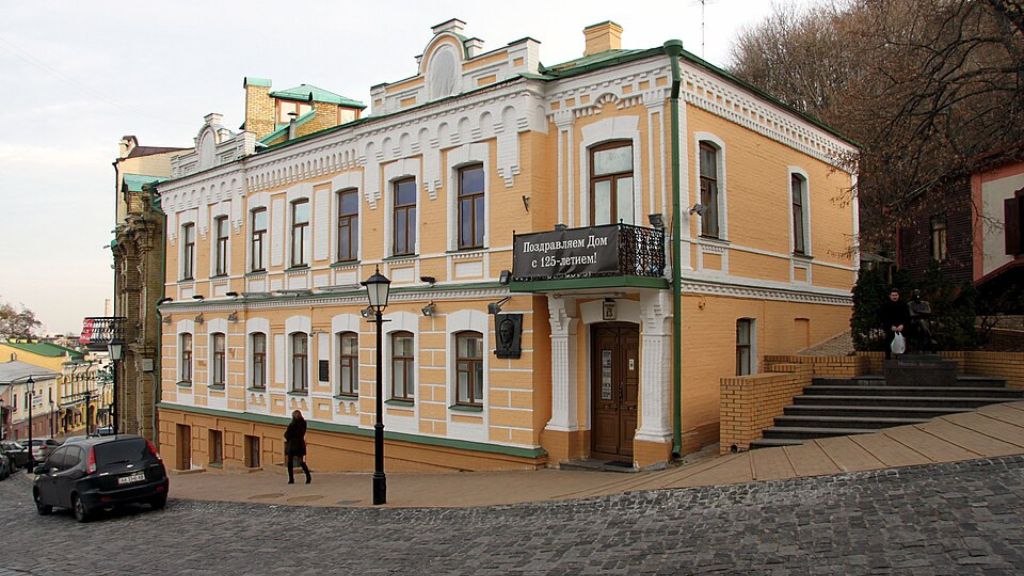
The Turbins House in Kyiv (13 Andriyivskyy Descent). Photo: Wadco2, CC BY-SA 4.0, via Wikimedia Commons
The consequences were explosive: his apartment was repeatedly searched, newspapers denounced him relentlessly, and the production itself was alternately banned and reinstated according to the shifting moods of the authorities. Rumour had it that Stalin personally attended the play more than fifteen times, yet despite this apparent fascination Bulgakov gradually found himself almost entirely unemployable.
In despair, he violated the very principle later voiced by Woland in The Master and Margarita: “Never ask for anything. Especially from those more powerful than yourself.”
The letter to Stalin and the call that changed everything
On 30 March 1930 Bulgakov wrote directly to the Soviet government, asking either to be given work in the theatre or permitted to leave the country. Less than three weeks later, on 18 April, the telephone rang in his apartment. The caller was Joseph Stalin.
During the conversation Stalin carefully guided Bulgakov towards remaining in the Soviet Union and suggested that he once again apply for work at the Moscow Art Theatre.
Bulgakov was soon hired as an assistant director and remained there for the next seven years. The Days of the Turbins returned to the stage. In London, meanwhile, the play — presented under the title The White Guard (buy here) — was first staged at the Phoenix Theatre in 1938 using a translation personally approved by Bulgakov.
A novel about the Devil and the woman who became Margarita
By this point Bulgakov’s life had already changed irreversibly, not least because he had fallen passionately in love with Elena Shilovskaya. Like Margarita in his future novel, Elena was married to a high-ranking official. Their relationship initially remained secret, but after the affair became public her husband refused to grant a divorce for more than a year.
On 3 October 1932 Bulgakov divorced Belozerskaya. The very next day he married Elena. She became not only his wife, but also his secretary, typist, editor and fiercest protector. She managed his affairs, typed his manuscripts from dictation and devoted herself entirely to preserving his legacy.
Sensing that his health was failing, Bulgakov once told her: “Promise me that I will die in your arms.” And so he did.
Read also: Lydia Delectorskaya: the Russian émigrée who transformed Henri Matisse’s life
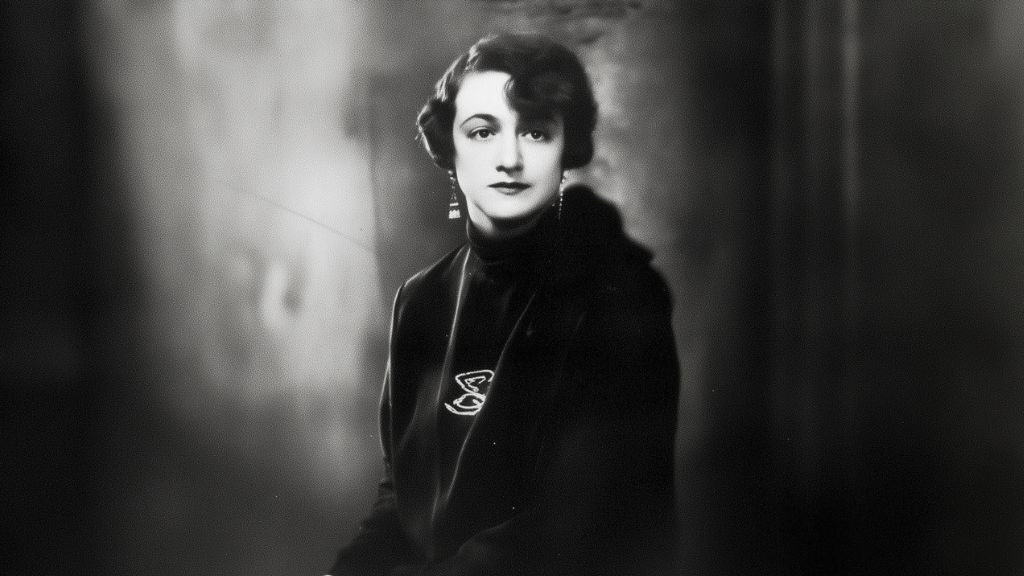
Elena Shilovskaya. Photo restoration: Afisha.London
The creation of The Master and Margarita
For the final twelve years of his life Bulgakov obsessively wrote and rewrote what he initially called The Novel About the Devil. The book gradually evolved into something far larger — a haunting meditation on power, punishment, cowardice and moral corruption, deeply intertwined with the atmosphere of Stalinist terror.
The first manuscript was famously burned, an act that would later echo in one of the novel’s most immortal lines: “manuscripts don’t burn”. Only in 1933 did Bulgakov return to the novel once more, surrounding himself with theological studies and historical texts that shaped the strange, hypnotic universe of The Master and Margarita. By the autumn of 1939 Bulgakov was gravely ill, yet even while confined to bed he continued revising the novel and working on a new play about Stalin’s youth titled Batum.
The production initially impressed theatre officials and Soviet authorities alike. Then Stalin personally banned it. On 10 March 1940 Bulgakov died in his Moscow apartment at the age of forty-eight. He was cremated and buried at Novodevichy Cemetery. Later, Elena Shilovskaya placed upon his grave a stone taken from the burial site of Nikolai Gogol — Bulgakov’s literary idol. Twenty-six years after his death, thanks largely to Elena’s persistence, The Master and Margarita was finally published in the journal Moskva in 1966.
A graphic novel adaptation of “The Master and Margarita” for true book lovers — buy here.
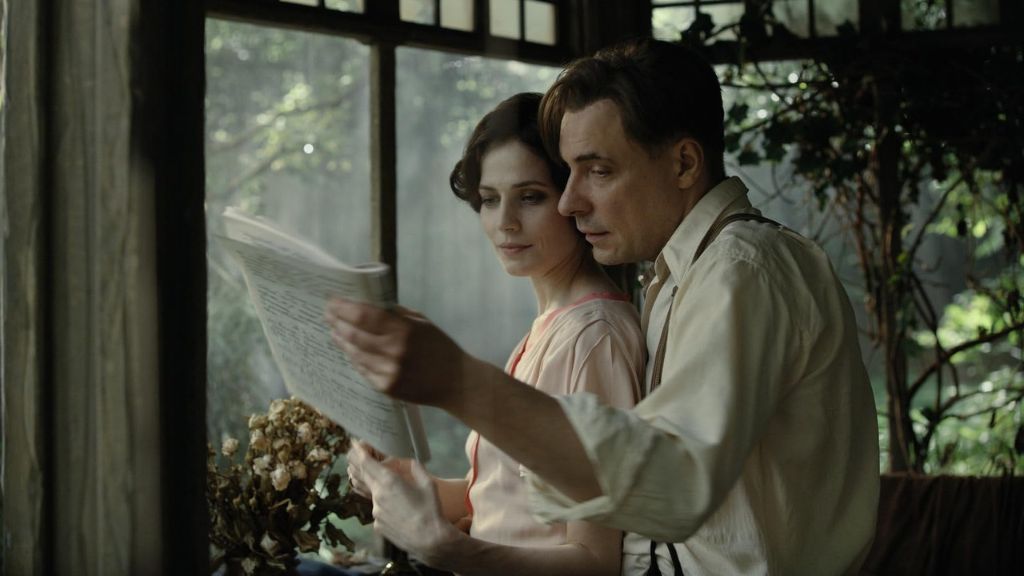
Still from “Master and Margarita”. Photo: IMDB
Bulgakov today: adaptations and Britain’s enduring fascination
Bulgakov’s great novel has been adapted for the screen numerous times. The 2005 television adaptation directed by Vladimir Bortko, with Oleg Basilashvili as Woland, is widely regarded as a classic. The most recent cinematic version of The Master and Margarita, directed by Mikhail Lokshin in 2024, was presented in London at a charity screening at Curzon Mayfair on 25 April 2024.
Britain, too, has developed a lasting fascination with Bulgakov’s work, including among younger audiences and contemporary theatre-makers drawn to the strange blend of satire, mysticism and political anxiety that runs through his writing. In 2018 Pushkin House on Bloomsbury Square hosted an exhibition by the British artist Laura Footes, who created ten paintings inspired by scenes from the novel, including Satan’s Ball and Margarita’s flight over Moscow.
Read also: Joseph Brodsky in London: from Soviet outcast to professor at the West’s top universities
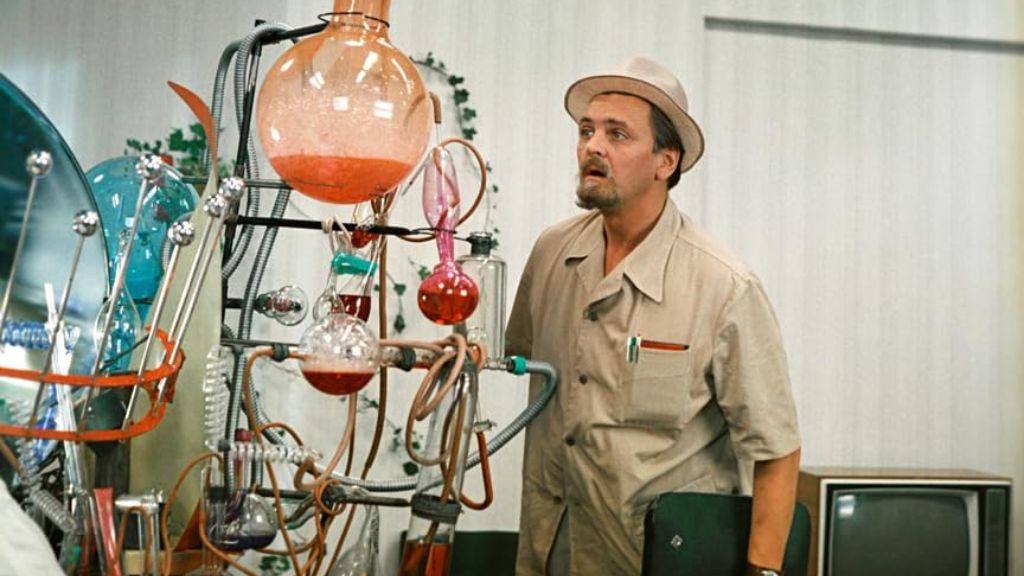
Still from “Ivan Vasilievich Changes Profession”. Photo: IMDB
Bulgakov’s works also continue to appear regularly on London stages, from major theatres to smaller independent venues. One of the most celebrated British productions was Simon McBurney and Complicité’s large-scale adaptation of The Master and Margarita at the Barbican Theatre. The Guardian praised the production’s “astonishing visual inventiveness”: a gigantic Behemoth the Cat prowled across the stage, while projections of Moscow and Jerusalem transformed the story into an almost hypnotic journey through satire, mysticism and political theatre.
Russian-speaking theatre companies in London have likewise returned repeatedly to Bulgakov’s universe. ART-VIC, directed by Viktor Sobchak, staged The Master and Margarita in Russian with English subtitles, alongside a production of Morphine (buy here) — the story of a young doctor gradually destroying himself through addiction.

Xameleon Theatre presented its own interpretation of Heart of a Dog, directed by Konstantin Kamensky, emphasising the startling modern relevance of Bulgakov’s satire in an age of political and social conflict. Kamensky approached the story from the dog’s perspective, introducing an unusual visual language in which the audience followed events almost entirely through the animal’s gaze.
In 2017 London audiences also saw Flight — Bulgakov’s play about Russian émigrés after the Civil War, a work personally banned by Stalin during the writer’s lifetime. More recently, in April 2026, Golden Goose Theatre staged Love Letters to Stalin by the Spanish playwright Juan Mayorga. Nearly a century after it was written, Bulgakov’s world — poised somewhere between satire, tragedy, mysticism and political terror — continues to feel unnervingly alive.
Irina Latsio
Cover photo: Afisha.London

Read also:
Pyotr Tchaikovsky in London: a journey of impressions, acclaim, and triumph
The last Stroganov: how Hélène de Ludinghausen revived a lost Russian legacy
Related Articles


SUBSCRIBE
Receive our digest once a week with quality Russian events and articles